Consumer Tech for Seniors in 2026: Innovations for Safety & Connectivity
By 2026, consumer tech for seniors will significantly advance, offering innovative solutions in safety, health monitoring, and social connection, ultimately improving the quality of life for older adults.
The landscape of technology is constantly evolving, and by 2026, senior tech innovations will have profoundly reshaped the daily lives of older adults, dramatically improving their safety and connectivity. These advancements are not merely incremental; they represent a fundamental shift in how we approach aging, fostering greater independence and peace of mind for seniors and their families.
The evolving landscape of senior-centric technology
As the global population ages, the demand for technology tailored to the unique needs of seniors is surging. This isn’t just about making existing tech accessible; it’s about innovating solutions that directly address challenges faced by older adults, from maintaining physical health to fostering social connections. The focus is shifting towards proactive care and seamless integration into daily routines.
The tech industry’s understanding of senior needs has matured significantly. Early attempts often felt clunky or patronizing, but by 2026, we’re seeing sophisticated, intuitive, and aesthetically pleasing devices designed with genuine empathy. These innovations are not just about functionality but also about enhancing dignity and independence, recognizing that seniors desire autonomy as much as anyone else.
Beyond basic accessibility: intuitive design principles
- Voice-first interfaces: Simplifying interaction for those with dexterity or vision challenges.
- Large, high-contrast displays: Ensuring readability and reducing eye strain.
- Automated setup and maintenance: Minimizing technical hurdles for users and caregivers.
- Personalized learning algorithms: Adapting to individual user habits and preferences over time.
This evolution means that technology is no longer a barrier but a bridge, connecting seniors to services, loved ones, and a more fulfilling life. The emphasis on user-friendly design ensures that the benefits of these innovations are accessible to a wider demographic, regardless of prior tech experience.
Ultimately, the goal is to create an ecosystem of devices and services that support seniors in living independently and securely for longer. This involves a collaborative effort between tech developers, healthcare providers, and senior care experts to ensure that solutions are truly impactful and meet real-world needs.
Innovation 1: advanced fall detection and prevention systems
Falls remain a leading cause of injury and death among older adults, making advanced fall detection and prevention systems a critical area of innovation. By 2026, these systems have moved beyond simple pendants, incorporating sophisticated sensors and AI to offer proactive protection and rapid response.
These new systems utilize a combination of environmental sensors, wearable devices, and even smart flooring to monitor movement patterns and identify potential fall risks before they occur. The data collected can alert caregivers to changes in gait or balance that might indicate an increased risk, allowing for early intervention.
Integrated sensor networks for comprehensive monitoring
- Radar-based sensors: Non-intrusive monitoring without cameras, preserving privacy.
- Wearable accelerometers: Detecting sudden impacts and changes in body position.
- Smart flooring: Identifying pressure changes and unusual movements within a room.
When a fall does occur, these systems are designed for immediate action. Unlike older models that required manual activation, the 2026 innovations automatically detect falls and initiate calls to emergency services or pre-programmed contacts. This rapid response significantly reduces the time between a fall and assistance, which is crucial for minimizing injury severity.
Furthermore, predictive analytics are playing a larger role. By analyzing historical data and current movement patterns, these systems can identify individuals at higher risk of falling and suggest preventative measures, such as encouraging more frequent movement or recommending adjustments to home environments. This shift from reactive to proactive care is a game-changer for senior safety.
The integration of these systems into smart home ecosystems means that fall alerts can trigger other actions, such as turning on lights, unlocking doors for emergency responders, or even activating comforting voice messages. This holistic approach ensures that seniors are not just detected, but also supported in a crisis.
Innovation 2: personalized health monitoring and predictive analytics
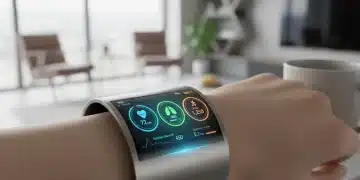
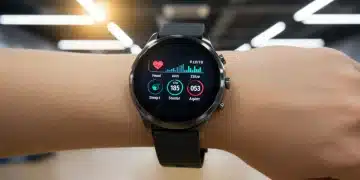
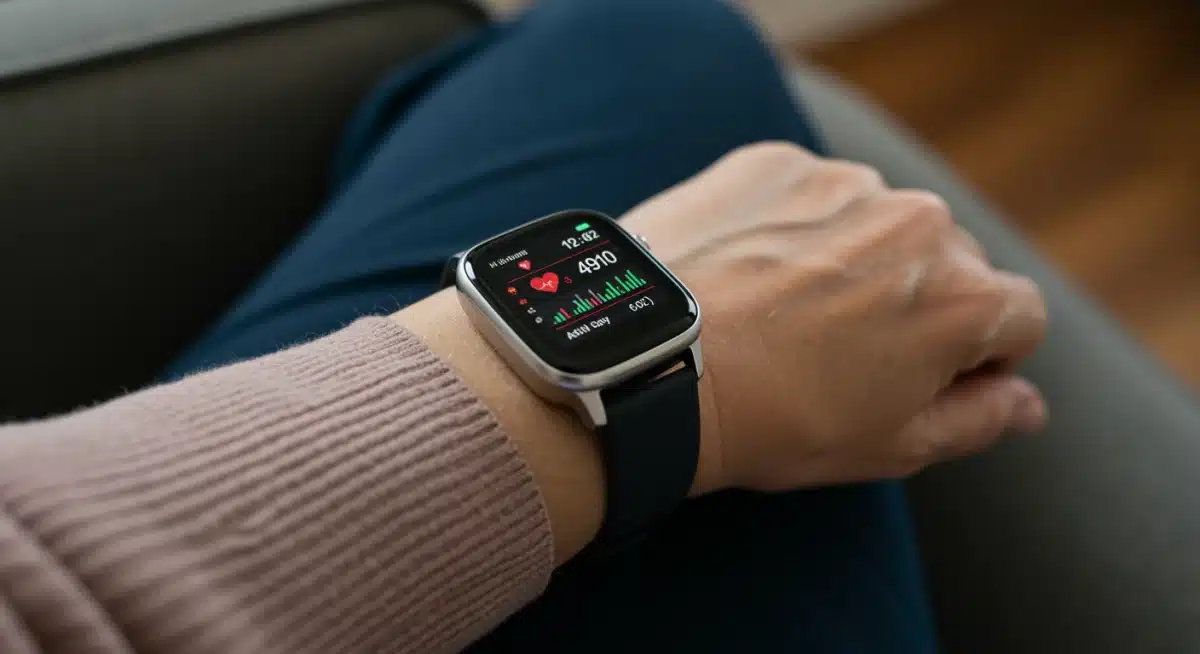
The second major innovation transforming senior care by 2026 is the rise of personalized health monitoring systems powered by predictive analytics. These aren’t just fitness trackers; they are comprehensive health companions that continuously monitor vital signs, activity levels, and even cognitive function, providing actionable insights for seniors and their healthcare providers.
These devices, often disguised as stylish wearables or seamlessly integrated into everyday objects, collect a wealth of data without requiring active input from the senior. This passive data collection is crucial for individuals who might forget to log information or find complex interfaces challenging.
From reactive to proactive: anticipating health needs
- Continuous vital sign tracking: Monitoring heart rate, blood pressure, and oxygen saturation.
- Sleep pattern analysis: Identifying potential sleep disorders or changes in sleep quality.
- Medication adherence reminders: Ensuring timely intake of prescriptions through smart dispensers.
- Cognitive assessment games: Engaging seniors in activities that track and stimulate cognitive health.
The true power of these systems lies in their ability to analyze this data using advanced AI and machine learning algorithms. They can detect subtle changes that might indicate the onset of a health issue, such as a urinary tract infection, a cardiac event, or even early signs of cognitive decline. These alerts are then sent to the senior, their family, or their healthcare team, enabling timely intervention.
For example, a continuous monitoring system might detect a gradual increase in resting heart rate combined with disturbed sleep patterns. The AI could then flag this as a potential precursor to a more serious condition, prompting a consultation with a doctor before symptoms become severe. This predictive capability is significantly reducing hospitalizations and improving long-term health outcomes.
Moreover, these systems often come with user-friendly dashboards that allow seniors and their families to visualize health trends, understand the impact of lifestyle choices, and engage more actively in their own care. This empowerment leads to better adherence to treatment plans and a greater sense of control over one’s health journey.
Innovation 3: enhanced connectivity and social engagement platforms
Loneliness and social isolation are significant challenges for many seniors, impacting both mental and physical health. By 2026, consumer tech has made remarkable strides in enhancing connectivity and fostering social engagement, ensuring that older adults remain an active and cherished part of their communities and families.
These innovations go beyond simple video calls, offering intuitive platforms designed specifically to bridge geographical distances and overcome technological barriers. The focus is on creating natural, low-friction ways for seniors to connect with others, participate in activities, and feel less isolated.
Bridging distances with intuitive communication tools
- Simplified video conferencing devices: One-touch calling to pre-approved contacts.
- Shared digital activity platforms: Virtual bingo, book clubs, or exercise classes.
- AI-powered companion robots: Offering conversation, reminders, and emotional support.
- Community-focused social networks: Designed for seniors to connect with local peers and events.
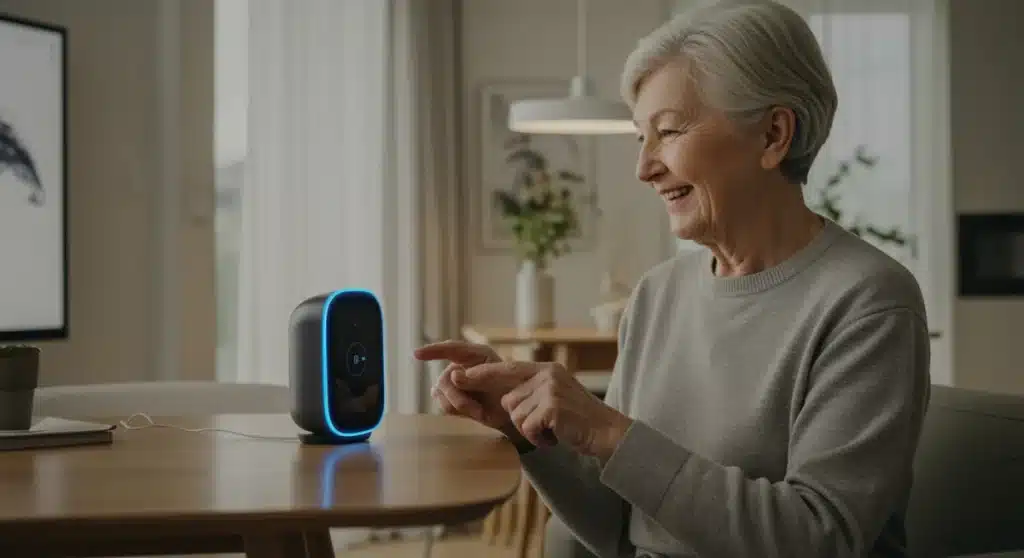
One notable development is the proliferation of smart display devices and dedicated senior tablets that feature extremely simplified interfaces. With large icons, voice commands, and curated contact lists, these devices make video calls, photo sharing, and messaging accessible even for those with limited tech proficiency. They often integrate seamlessly with smart home systems, allowing for voice-controlled communication.
Beyond one-on-one communication, new platforms are emerging that facilitate group activities and community building. Virtual recreation centers offer a range of classes and social events, from gentle yoga to art history lectures, all accessible from the comfort of home. These platforms are designed to be inclusive, with features like closed captioning and adjustable text sizes.
Furthermore, AI-powered companion robots are becoming more sophisticated, offering not just reminders for medication or appointments, but also engaging in natural language conversations, playing games, and providing companionship. While not a replacement for human interaction, these robots can significantly reduce feelings of loneliness and provide a consistent, friendly presence.
These advancements collectively create a richer social fabric for seniors, allowing them to maintain strong ties with family and friends, discover new interests, and participate actively in the world around them, regardless of their physical mobility or location. The impact on mental well-being and overall quality of life is immeasurable.
Integrating tech for a holistic senior care ecosystem
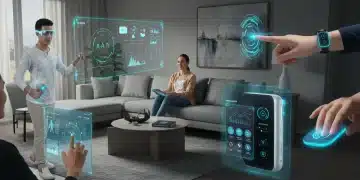
The true power of these individual innovations is realized when they are integrated into a cohesive, holistic senior care ecosystem. By 2026, the trend is towards interoperable devices and platforms that communicate with each other, creating a seamless web of support around the older adult. This integration enhances efficiency, provides a more comprehensive view of well-being, and simplifies management for caregivers.
Imagine a scenario where a senior’s wearable detects an unusual heart rhythm, which then triggers a notification to their smart home system. The smart home system, in turn, might suggest a video call with a family member or even automatically connect to a telehealth service. This level of interconnectedness ensures that no single piece of data is isolated, leading to more informed and timely interventions.
The synergy of smart devices and services
- Unified data dashboards: Aggregating health, safety, and activity data for caregivers.
- Voice-activated emergency protocols: Initiating calls or opening doors with simple commands.
- Personalized routine automation: Adjusting lighting, temperature, and entertainment based on daily habits.
Caregivers benefit immensely from this integrated approach. Instead of juggling multiple apps and devices, they can access a unified dashboard that provides a comprehensive overview of the senior’s health status, activity levels, and communication history. This not only reduces their workload but also provides greater peace of mind, knowing they have a clear picture of their loved one’s well-being.
Moreover, the integration extends to professional services. Telehealth platforms are becoming deeply embedded, allowing for remote consultations, medication adjustments, and even virtual physical therapy sessions. This access to care, often from the comfort of home, removes transportation barriers and ensures consistent medical oversight.
The development of open standards and APIs is crucial for this integration. Tech companies are increasingly collaborating to ensure their devices can ‘talk’ to each other, avoiding proprietary lock-ins that limit choice and functionality. This collaborative spirit is accelerating the development of truly comprehensive senior care solutions.
Challenges and ethical considerations in senior tech adoption
While the advancements in senior tech are exciting, their widespread adoption and ethical implementation are not without challenges. Addressing these concerns is crucial to ensure that these innovations truly benefit older adults without creating new problems or exacerbating existing inequalities.
One primary concern is data privacy and security. The collection of sensitive health and location data necessitates robust encryption and strict privacy policies. Seniors and their families need assurances that their personal information is protected from misuse and breaches. Transparency about data usage is paramount.
Navigating the path to responsible innovation
- Digital literacy and training: Ensuring seniors feel comfortable and capable using new technologies.
- Affordability and accessibility: Making advanced tech available across all socioeconomic strata.
- Ethical AI development: Preventing algorithmic bias and ensuring fair treatment.
- Privacy and data security: Safeguarding sensitive personal and health information.
Another significant hurdle is the digital divide. Not all seniors have equal access to high-speed internet, nor do they all possess the digital literacy required to fully utilize complex technologies. Efforts to provide affordable internet access and comprehensive, patient training programs are essential to bridge this gap and prevent further marginalization.
Ethical considerations surrounding AI are also critical. As predictive analytics become more sophisticated, questions arise about algorithmic bias, the potential for over-surveillance, and the balance between protection and autonomy. It’s vital to design systems that empower seniors rather than simply monitoring them, respecting their right to make choices.
Furthermore, the cost of these advanced technologies can be a barrier. While some innovations are becoming more affordable, ensuring that essential safety and connectivity tools are accessible to seniors on fixed incomes often requires government subsidies, insurance coverage, or innovative pricing models. The goal should be universal access, not just for the privileged.
Ultimately, the success of senior tech in 2026 hinges not just on technological prowess, but on a commitment to ethical development, equitable access, and user-centric design that respects the dignity and autonomy of older adults. Continuous dialogue between developers, users, caregivers, and policymakers is essential to navigate these complex issues responsibly.
The future impact: a 20% improvement in safety and connectivity
The cumulative effect of these technological advancements by 2026 is projected to bring about a remarkable improvement in the lives of older adults, specifically targeting a 20% enhancement in both safety and connectivity. This isn’t just an arbitrary number; it represents a tangible shift in quality of life metrics, reducing risks and fostering greater social engagement.
In terms of safety, the integration of advanced fall detection, personalized health monitoring, and proactive alert systems means fewer severe injuries, quicker emergency responses, and a significant reduction in preventable health crises. Seniors can live with greater confidence, knowing that a robust safety net is in place, both within and outside their homes.
Measuring the impact: tangible benefits for seniors
- Reduced fall-related hospitalizations: Direct impact of advanced detection and prevention.
- Improved medication adherence: Leading to better management of chronic conditions.
- Increased social interactions: Combating loneliness and boosting mental health.
- Enhanced sense of independence: Empowering seniors to live at home longer.
The 20% improvement in connectivity translates into fewer instances of social isolation and enhanced mental well-being. User-friendly communication platforms, community engagement tools, and even AI companions are making it easier for seniors to stay in touch with loved ones, participate in virtual activities, and feel more connected to the wider world. This reduction in loneliness has profound positive effects on overall health.
This projected improvement is also driven by the increasing awareness and adoption among seniors themselves. As these technologies become more intuitive and integrated, the learning curve decreases, encouraging more older adults to embrace them. Positive word-of-mouth and visible benefits further accelerate this adoption.
Furthermore, the data collected by these systems will provide invaluable insights for healthcare research and public health initiatives, leading to even more targeted and effective interventions in the future. The cycle of innovation and improvement will continue, building upon the foundations laid by 2026.
Ultimately, the vision for 2026 is a world where consumer tech empowers seniors to live more safely, independently, and joyfully. The 20% improvement target is a testament to the transformative potential of thoughtful, human-centered technological design in addressing some of the most pressing challenges of an aging society.
| Key Innovation | Brief Description |
|---|---|
| Advanced Fall Detection | Integrated sensors and AI for proactive prevention and rapid emergency response. |
| Personalized Health Monitoring | Continuous vital sign tracking and predictive analytics for early health issue detection. |
| Enhanced Connectivity Platforms | Intuitive tools for video calls, social engagement, and combatting loneliness. |
| Holistic Ecosystem Integration | Interoperable devices and platforms creating a seamless support network for seniors. |
Frequently Asked Questions About Senior Tech
New systems integrate environmental sensors (radar, smart flooring) with wearables and AI to proactively identify fall risks and automatically alert emergency contacts, unlike older, manually activated pendants that only reacted after a fall occurred.
These systems continuously monitor vital signs like heart rate, blood pressure, and oxygen saturation. They also track sleep patterns, activity levels, and can even include cognitive assessment games, providing a comprehensive health overview.
They offer simplified video conferencing devices, shared digital activity platforms for virtual group events, and community-focused social networks. Some even include AI-powered companion robots to provide conversation and emotional support, fostering greater connection.
Yes, a major focus is on intuitive design. Innovations feature voice-first interfaces, large high-contrast displays, and automated setups. This minimizes technical hurdles, making them accessible even for those with limited prior tech experience.
Primary concerns include data privacy and security, ensuring sensitive health information is protected. There are also ethical considerations regarding algorithmic bias, potential for over-surveillance, and the digital divide concerning access and literacy for all seniors.
Conclusion
The advancements in consumer technology for seniors by 2026 herald a new era of independent and connected living for older adults. The three key innovations discussed—advanced fall detection, personalized health monitoring, and enhanced connectivity platforms—are not merely gadgets but essential tools that collectively promise a significant 20% improvement in safety and connectivity. While challenges related to digital literacy, affordability, and ethical considerations remain, the trajectory is clear: technology is becoming an indispensable ally in supporting the well-being and autonomy of the senior population, fostering a future where aging is embraced with greater security and connection.