Web3 Media Monetization: 5 Strategies for US Publishers by 2026

Anúncios
The digital publishing landscape is in a constant state of flux, with traditional revenue models facing unprecedented challenges. As we accelerate towards 2026, a new paradigm is emerging: Web3. This decentralized iteration of the internet, built on blockchain technology, offers innovative avenues for content creators and publishers to engage audiences and generate revenue. For US publishers, understanding and implementing effective Web3 media monetization strategies is no longer optional; it’s a necessity for future growth and sustainability. This comprehensive guide delves into five pivotal strategies that US publishers can adopt to thrive in the Web3 era, ensuring increased revenue and deeper audience engagement.
Anúncios
Understanding the Shift: Why Web3 Matters for Publishers
Before diving into specific strategies for Web3 media monetization, it’s crucial to grasp the fundamental shift that Web3 represents. Unlike Web2, which is characterized by centralized platforms controlling data and monetization, Web3 champions decentralization, user ownership, and transparency. This means moving away from reliance on intermediaries like social media giants and ad networks, and instead fostering direct relationships between creators and consumers.
For US publishers, this translates to an opportunity to reclaim control over their content, data, and revenue streams. It’s about building communities, rewarding loyal readers, and creating new forms of value that were previously unattainable. The promise of Web3 is a more equitable internet, where value accrues to those who create and consume content, rather than solely to the platforms that host it. This paradigm shift directly impacts how publishers can approach Web3 media monetization, opening doors to novel business models and enhanced audience experiences.
The current publishing model often struggles with ad blockers, declining subscription rates, and the ‘attention economy’ where content is often devalued. Web3 offers a powerful antidote to these challenges by introducing concepts like digital scarcity, provable ownership, and direct peer-to-peer transactions. These elements are foundational to the strategies we will explore, each designed to empower publishers and enrich the reader experience.
Strategy 1: Non-Fungible Tokens (NFTs) for Premium Content and Collectibles
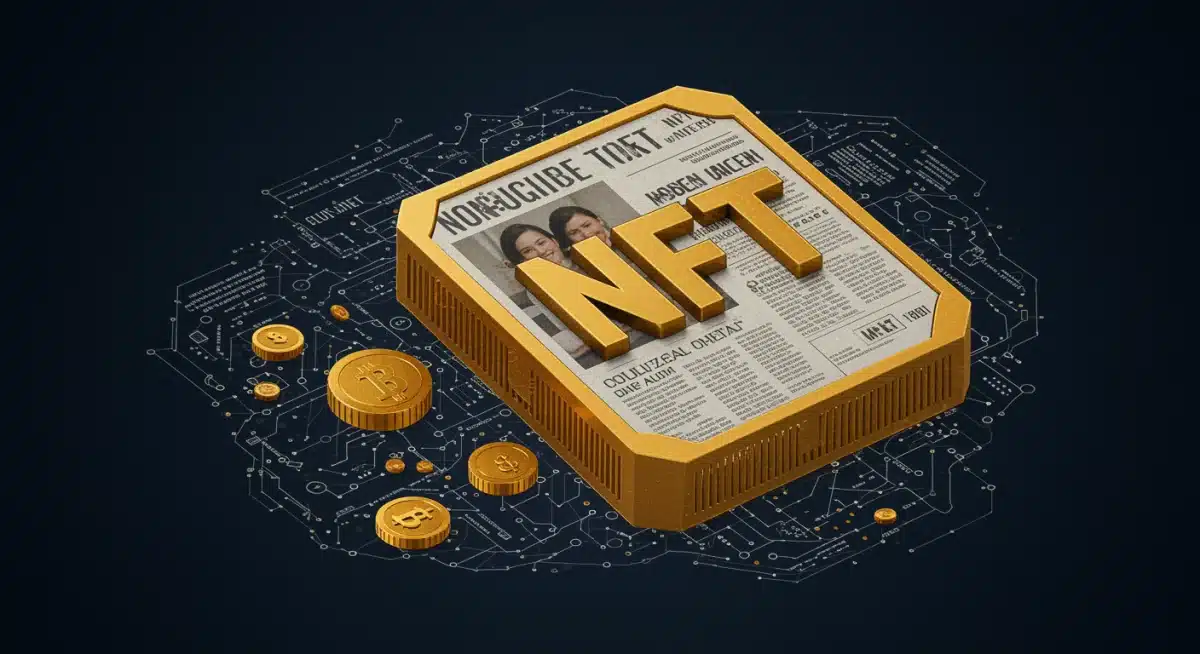
NFTs have exploded onto the scene, primarily in the art and collectibles world, but their potential for Web3 media monetization in publishing is immense. NFTs are unique digital assets stored on a blockchain, proving ownership of a specific item. For publishers, this opens up several exciting avenues:
Exclusive Content Access through NFTs
Imagine offering limited-edition articles, investigative reports, or multimedia packages as NFTs. Ownership of these NFTs could grant permanent access to this exclusive content, or even unlock future premium content. This creates a sense of scarcity and exclusivity that traditional digital subscriptions often lack. Publishers could release a series of NFTs for a deep-dive investigative piece, with each NFT granting access to a different chapter or a behind-the-scenes look. This not only monetizes the content directly but also fosters a deeper connection with the most dedicated readers.
Digital Collectibles and Archival Content
Publishers possess vast archives of historical content, iconic photographs, and significant articles. These can be tokenized as NFTs, allowing readers to own a piece of media history. Think of minting the first digital edition of a groundbreaking news story, a famous editorial, or a limited series of digital covers. These digital collectibles can appreciate in value, creating a secondary market that benefits both the owner and, through royalties, the publisher. This approach taps into the collector’s mentality and transforms passive content consumption into active digital asset ownership, providing a powerful Web3 media monetization stream.
Community Building and Loyalty Programs
NFTs can also serve as membership tokens, granting holders access to exclusive communities, events, or even voting rights on editorial decisions. This transforms readers into stakeholders, fostering a loyal and engaged community. For example, a publisher could issue a ‘Founders NFT’ that provides lifelong access to all premium content, invitations to exclusive Q&A sessions with journalists, and a say in the publication’s future direction. This deepens engagement significantly and creates a powerful incentive for long-term loyalty, directly contributing to sustainable Web3 media monetization.
Strategy 2: Tokenized Content and Micropayments
The traditional advertising model and subscription paywalls often create friction for readers. Web3 offers a more granular approach to content monetization through tokenization and micropayments, directly addressing some of the biggest challenges in Web3 media monetization.
Pay-Per-Article with Cryptocurrency
Instead of a monthly subscription, imagine readers paying a small amount of cryptocurrency (e.g., a few cents in ETH, SOL, or a stablecoin) for each article they read. This eliminates the commitment of a full subscription, making content more accessible and appealing to casual readers. Publishers can integrate crypto wallets directly into their platforms, allowing for seamless, low-fee transactions. This model aligns perfectly with the ‘unbundle the news’ trend and empowers readers to pay only for what they truly value, offering a flexible and user-centric approach to Web3 media monetization.
Reader-Owned Data and Data Monetization
In Web2, user data is often collected and monetized by platforms without explicit user consent or compensation. Web3 flips this script. Publishers can implement models where users own their data and choose to share it with publishers in exchange for tokens or discounts. This creates a transparent and ethical data economy, where readers are compensated for their contributions, fostering trust and loyalty. This also provides publishers with high-quality, consented data for better content recommendations and personalized experiences, enhancing overall Web3 media monetization potential.
Content Tipping and Creator Rewards
Web3 platforms can facilitate direct tipping of authors and journalists using cryptocurrency. This allows readers to directly reward content they appreciate, creating a performance-based incentive for creators. Publishers can integrate tipping functionalities directly into their articles, allowing readers to send small amounts of crypto to their favorite writers. This not only motivates creators but also builds a stronger sense of community around the content, adding another layer to Web3 media monetization beyond traditional ad revenue.
Strategy 3: Decentralized Autonomous Organizations (DAOs) for Community Governance and Funding
DAOs are blockchain-based organizations governed by their members, typically through the ownership of governance tokens. For US publishers, DAOs represent a radical shift towards community-driven media and offer significant potential for Web3 media monetization and sustainability.
Community-Curated Content and Funding
A publisher could establish a DAO where token holders vote on editorial priorities, commission new content, or even fund specific investigative projects. This democratizes the publishing process, making readers active participants rather than passive consumers. Imagine a DAO where members propose topics, vote on which stories get greenlit, and even contribute funds for their production. This model not only fosters deep engagement but also diversifies funding sources, moving beyond traditional advertising and subscriptions for Web3 media monetization.
Shared Ownership and Revenue Sharing
Through a DAO, token holders could have a share in the publication’s revenue. This creates a powerful incentive for community members to promote the content and contribute to its success, as their efforts directly impact their own financial stake. This model aligns the interests of the publisher and its most dedicated audience, creating a virtuous cycle of engagement and value creation. A portion of NFT sales, subscription revenue, or even ad revenue could be distributed to DAO token holders, creating a truly communal approach to Web3 media monetization.
Transparent Operations and Decision-Making
All decisions and transactions within a DAO are recorded on the blockchain, ensuring complete transparency. This builds immense trust with the audience, a critical asset in an era of misinformation and skepticism. Readers can see how funds are allocated, how editorial decisions are made, and how the organization operates, fostering a new level of confidence in the media outlet. This transparency itself can be a powerful draw for audiences seeking trustworthy information, indirectly supporting Web3 media monetization through enhanced reputation.

Strategy 4: Decentralized Advertising and Attention Economy
The current digital advertising landscape is plagued by inefficiencies, fraud, and a lack of transparency. Web3 offers a more equitable and effective alternative through decentralized advertising models, revolutionizing Web3 media monetization for publishers.
User-Controlled Advertising Preferences
In a decentralized advertising model, users have more control over the ads they see and are often compensated for their attention. Publishers can integrate platforms where users explicitly opt-in to receive ads, and in return, earn a share of the ad revenue (often in cryptocurrency). This creates a more respectful advertising experience and ensures that publishers receive higher quality, engaged impressions, directly impacting their Web3 media monetization. Brave Browser’s Basic Attention Token (BAT) is a prime example of this model, where users earn tokens for viewing privacy-respecting ads.
Transparent Ad Marketplaces
Blockchain technology can create transparent and verifiable ad marketplaces, reducing fraud and ensuring that publishers receive a fairer share of advertising spend. Smart contracts can automate ad placements and payments, eliminating intermediaries and reducing costs. This streamlines the entire advertising process, making it more efficient and profitable for publishers. By cutting out unnecessary middlemen, publishers can retain a larger percentage of ad revenue, significantly boosting their Web3 media monetization efforts.
Contextual and Privacy-Preserving Advertising
Web3’s emphasis on privacy means moving away from invasive tracking. Decentralized advertising can focus more on contextual advertising, matching ads to content rather than tracking individual user behavior. This creates a more ethical and effective advertising environment that respects user privacy while still delivering relevant ads. Publishers can leverage AI and blockchain to intelligently place ads within their content based on topic and reader interest, without compromising personal data, thus maintaining effective Web3 media monetization in a privacy-centric world.
Strategy 5: Creator Economy and Direct-to-Consumer Models
Web3 empowers individual creators and publishers to build direct relationships with their audience, bypassing traditional gatekeepers. This shift towards a robust creator economy is fundamental to successful Web3 media monetization in the coming years.
Personalized Content Subscriptions with Smart Contracts
Publishers can offer highly personalized content subscriptions managed by smart contracts. These contracts can automatically grant access based on criteria like token ownership, engagement levels, or even specific contributions to the community. This allows for flexible and dynamic subscription models that cater to diverse audience segments, optimizing Web3 media monetization by offering tailored value propositions.
Creator-Owned Platforms and Content Distribution
Instead of relying solely on centralized platforms, publishers can explore building their own decentralized content distribution networks. This gives them full control over their content, data, and monetization strategies. While a significant undertaking, it offers ultimate autonomy and the ability to capture 100% of the revenue generated from their content. Platforms like Mirror.xyz demonstrate how creators can publish directly to a blockchain, offering new ways to own and monetize their work without intermediaries, a powerful tool for Web3 media monetization.
Gamification and Interactive Experiences
Web3 technologies can enable new forms of gamification and interactive content experiences. Publishers can integrate tokens as rewards for reading, sharing, or participating in discussions. This transforms passive consumption into an active, rewarding experience, increasing engagement and loyalty. Imagine earning tokens for completing a quiz after reading an article, or for contributing insightful comments. These tokens could then be used for premium content, merchandise, or voting rights, creating a vibrant ecosystem for Web3 media monetization.
Challenges and Considerations for US Publishers
While the potential for Web3 media monetization is vast, US publishers must navigate several challenges:
- Technical Complexity: Implementing blockchain-based solutions requires specialized technical expertise. Publishers may need to invest in new talent or partner with Web3 development firms.
- Regulatory Uncertainty: The regulatory landscape for cryptocurrencies and NFTs in the US is still evolving. Publishers must stay informed and ensure compliance.
- User Adoption: Mainstream adoption of Web3 technologies is growing but still faces hurdles. Publishers need to educate their audience and make the user experience as seamless as possible.
- Security Risks: Blockchain technology, while secure, is not immune to risks. Publishers must implement robust security measures to protect user assets and data.
- Scalability: Some blockchain networks face scalability issues, which could impact the performance of high-volume publishing operations. Choosing the right blockchain or layer-2 solution is crucial.
Despite these challenges, the early movers in Web3 media monetization stand to gain a significant competitive advantage. The benefits of increased revenue, deeper audience engagement, and greater control over content are compelling enough to warrant serious exploration and investment.
The Road Ahead: Implementing Web3 Media Monetization by 2026
For US publishers looking to implement these Web3 media monetization strategies by 2026, a phased approach is advisable:
- Education and Research: Begin by thoroughly understanding blockchain, NFTs, DAOs, and decentralized finance (DeFi).
- Pilot Programs: Start with small-scale pilot projects, perhaps tokenizing a single piece of premium content or experimenting with a micropayment system for a specific section of your website.
- Community Building: Engage with existing Web3 communities and start building your own. Educate your audience about the benefits of these new models.
- Strategic Partnerships: Collaborate with Web3 technology providers, crypto platforms, and other publishers already experimenting in this space.
- Iterate and Adapt: The Web3 space is rapidly evolving. Be prepared to learn, iterate, and adapt your strategies based on market feedback and technological advancements.
The future of media monetization is decentralized, user-centric, and built on the principles of Web3. By embracing these innovative strategies, US publishers can not only secure their financial future but also build stronger, more engaged communities that are truly invested in the content they consume. The journey to effective Web3 media monetization by 2026 begins now, offering a transformative opportunity for the entire publishing industry.
Conclusion: A New Era for Publisher Revenue and Engagement
The advent of Web3 presents a monumental opportunity for US publishers to redefine their relationships with audiences and unlock new, sustainable revenue streams. By strategically adopting Non-Fungible Tokens (NFTs), tokenized content and micropayments, Decentralized Autonomous Organizations (DAOs), decentralized advertising, and fostering a robust creator economy, publishers can move beyond the limitations of traditional models. These Web3 media monetization strategies are not just about adopting new technologies; they are about embracing a philosophy of ownership, transparency, and community that resonates deeply with modern digital consumers.
The journey to fully integrate Web3 into publishing workflows will require investment, innovation, and a willingness to challenge the status quo. However, the potential rewards – increased revenue, unparalleled audience engagement, and a more resilient business model – are too significant to ignore. As we look towards 2026, the publishers who successfully navigate this transition will be the ones who lead the charge in shaping the future of digital media, proving that Web3 media monetization is not just a trend, but a foundational shift in how content is valued and consumed.