DAOs in Media: A 2026 U.S. Blueprint for Citizen Journalism

The media landscape in the United States is at a critical juncture. Trust in traditional institutions is waning, the spread of misinformation is rampant, and the economic models supporting independent journalism are under immense pressure. In this era of rapid technological advancement and societal introspection, a groundbreaking solution emerges: Decentralized Autonomous Organizations (DAOs). This article lays out a comprehensive 2026 U.S. blueprint for integrating DAOs into the media ecosystem, specifically focusing on their transformative potential for citizen journalism. Our central theme, DAOs Media Blueprint, explores how these innovative structures can usher in an unprecedented era of transparency, accountability, and community-driven news.
By 2026, the concept of a news organization could be fundamentally redefined. Instead of hierarchical corporate structures, we envision a network of DAOs, each dedicated to specific journalistic endeavors, local reporting, or thematic investigations. These DAOs would empower individuals, transforming passive consumers into active participants in the news-gathering and dissemination process. The journey towards this decentralized future is complex, yet the rewards – a more informed, engaged, and resilient citizenry – are profoundly compelling.
Understanding Decentralized Autonomous Organizations (DAOs) in Media
Before diving into the blueprint, it’s crucial to grasp what DAOs are and why they are particularly suited for the media sector. A Decentralized Autonomous Organization is an entity that is not governed by a central authority but instead by a community of members. These members collectively make decisions, often through voting on proposals, with rules and transactions recorded on a transparent and immutable blockchain. This structure inherently promotes transparency, resists censorship, and distributes power, all of which are vital attributes for a healthy media environment.
In the context of media, a DAO could manage a news platform, fund investigative journalism, or even govern content moderation. Members, who might be journalists, editors, fact-checkers, or simply engaged readers, could hold governance tokens that grant them voting rights. This model contrasts sharply with traditional media, where editorial decisions are often concentrated in the hands of a few. The DAOs Media Blueprint leverages this fundamental difference to build a new paradigm for journalism.
The core principles of DAOs – decentralization, transparency, and community governance – directly address many of the systemic issues plaguing contemporary media. Misinformation, for instance, thrives in opaque systems where sources are unclear and accountability is diffused. A DAO, with its transparent ledger and community-driven verification processes, can offer a robust defense against such challenges. Moreover, the financial models within DAOs, often involving cryptocurrencies and smart contracts, can provide alternative funding mechanisms for journalism that are less susceptible to corporate influence or advertising pressures.
The 2026 U.S. Blueprint: Pillars of a Decentralized Media Ecosystem
Our 2026 DAOs Media Blueprint for the U.S. centers on several interconnected pillars, each designed to foster a robust and trustworthy decentralized media ecosystem for citizen journalism.
Pillar 1: Infrastructure and Technology Adoption
The foundation of any successful DAO ecosystem is robust and accessible technology. By 2026, we anticipate significant advancements in blockchain scalability, user-friendly interfaces for Web3 applications, and widespread digital literacy. This pillar focuses on:
- Blockchain Agnosticism: While Ethereum currently dominates the DAO space, the blueprint encourages the use of various high-performance, low-cost blockchains (e.g., Solana, Polygon, Arbitrum) to ensure accessibility and reduce transaction fees for citizen journalists and readers.
- User-Friendly Platforms: Development of intuitive platforms that abstract away the complexities of blockchain technology. These platforms would allow citizen journalists to easily submit content, participate in governance, and receive compensation without needing in-depth crypto knowledge.
- Decentralized Storage: Utilizing decentralized storage solutions (e.g., IPFS, Arweave) for journalistic content ensures immutability and censorship resistance, preventing the deletion or alteration of reported facts.
- Identity Verification: Implementing decentralized identity solutions to verify the authenticity of contributors while preserving their privacy, crucial for building trust in citizen journalism.
Pillar 2: Governance Models for Media DAOs
Effective governance is the heart of any DAO. For media DAOs, this involves designing structures that promote fair decision-making, content integrity, and community engagement. Key elements include:
- Token-Based Voting: Members hold governance tokens that allow them to vote on proposals, such as funding new investigations, approving editorial guidelines, or electing specialized committees. The distribution of these tokens must be designed to prevent centralization of power.
- Staking Mechanisms: Journalists and editors might stake tokens as a commitment to quality and ethical reporting. Misconduct could result in loss of staked tokens, providing a financial incentive for integrity.
- Reputation Systems: Beyond token holdings, reputation systems could track a member’s contributions, accuracy, and adherence to journalistic ethics, granting more influence to highly reputable participants.
- Specialized Sub-DAOs: For larger media DAOs, creating sub-DAOs focused on specific topics (e.g., local politics, environmental reporting, investigative journalism) can streamline governance and allow for specialized expertise.
Pillar 3: Economic Models and Funding for Citizen Journalism
One of the most significant challenges for independent and citizen journalism is sustainable funding. DAOs offer innovative solutions that move beyond traditional advertising models. The DAOs Media Blueprint proposes:
- Grant-Based Funding: A central treasury managed by the DAO can allocate funds to citizen journalists for specific projects, investigations, or ongoing reporting, based on community votes.
- Subscription and Membership NFTs: Instead of traditional subscriptions, users could purchase Non-Fungible Tokens (NFTs) that grant access to premium content, voting rights, or exclusive community features.
- Creator Royalties: Smart contracts can automatically distribute royalties to citizen journalists based on content engagement, views, or impact, providing a direct and transparent compensation model.
- Public Goods Funding: Exploring integration with public goods funding mechanisms on blockchain, where a portion of transaction fees or community-matched donations support vital journalistic endeavors.
- Micro-payments: Enabling readers to directly tip or micro-pay for individual articles or reports they find valuable, creating a direct economic link between content creators and consumers.
Benefits of the DAOs Media Blueprint for Citizen Journalism
Implementing this DAOs Media Blueprint in the U.S. promises a multitude of benefits for citizen journalism and the broader media ecosystem:
Enhanced Transparency and Trust
Every decision, financial transaction, and content modification within a DAO is recorded on a public blockchain. This inherent transparency builds trust, as readers can verify the integrity of the news source and understand how editorial decisions are made. Citizen journalists operate within a framework where their contributions are publicly acknowledged and verifiable, fostering greater accountability.
Combatting Misinformation and Disinformation
The decentralized nature of DAOs, coupled with community-driven fact-checking and reputation systems, provides a powerful tool against misinformation. When a piece of content is submitted, a DAO could implement a multi-stage verification process involving multiple community members, staking mechanisms for truthfulness, and direct community challenges to dubious claims. This distributed verification is far more resilient than relying on a single central editor.
Empowering Diverse Voices and Local Reporting
DAOs lower the barrier to entry for aspiring journalists, regardless of their background or affiliation with traditional media institutions. This empowers a more diverse range of voices to contribute, especially in underserved local communities where traditional news outlets have dwindled. A local news DAO, for instance, could be entirely governed by the residents it serves, ensuring that reporting truly reflects community needs and concerns.
Censorship Resistance and Data Immutability
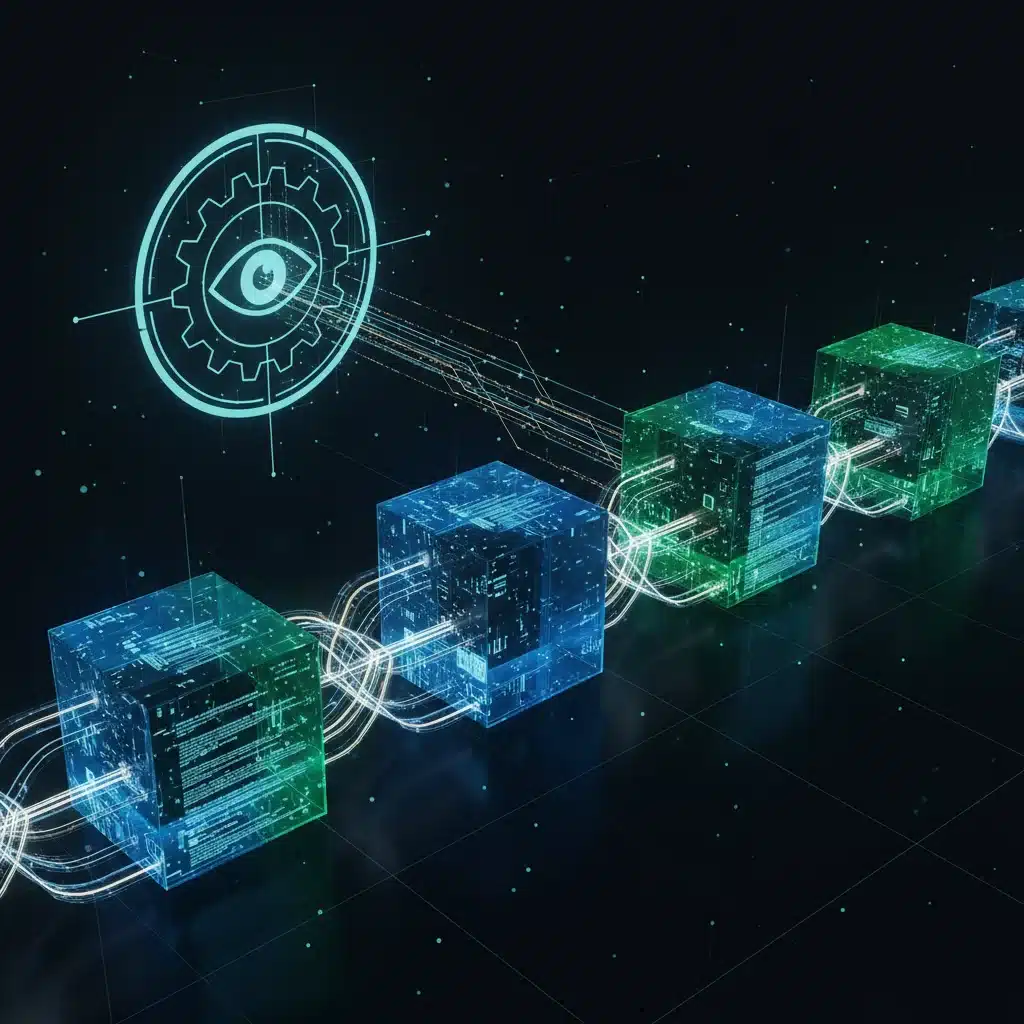
By storing content on decentralized networks and operating without a central point of control, media DAOs are inherently resistant to censorship. Governments or powerful entities cannot easily shut down a decentralized news platform or remove content, ensuring that critical information remains accessible. This is particularly crucial for protecting investigative journalism and dissenting voices.
New Economic Opportunities for Journalists
The innovative economic models within DAOs can provide more equitable and sustainable compensation for citizen journalists. Direct payments, royalties, and community grants can offer a viable alternative to precarious freelance work or declining salaries in traditional media, attracting and retaining talented individuals in the field.
Challenges and Considerations for 2026 and Beyond
While the potential of the DAOs Media Blueprint is immense, several challenges must be addressed for successful implementation by 2026:
Regulatory Landscape
The regulatory environment for cryptocurrencies and DAOs in the U.S. is still evolving. Clarity on legal status, taxation, and liability for DAOs is essential to foster widespread adoption. Lawmakers and regulators would need to develop frameworks that support innovation while protecting consumers and ensuring accountability.
Scalability and User Experience
Current blockchain technology, while rapidly advancing, still faces scalability issues and can present a steep learning curve for new users. For mass adoption in media, platforms need to be as intuitive and seamless as existing Web2 applications, capable of handling high volumes of content and user interactions.
Governance Design and Participation
Designing effective and fair governance models that prevent voter apathy, whale dominance (where a few large token holders control decisions), or malicious attacks is crucial. Mechanisms to encourage broad and informed participation from all stakeholders will be vital for the long-term health of media DAOs.
Combatting Sophisticated Disinformation Campaigns
While DAOs offer robust tools against misinformation, sophisticated state-sponsored disinformation campaigns or coordinated attacks could still pose a threat. The blueprint must include strategies for rapid response, community-led investigations, and collaboration with AI-driven detection tools to counter such threats effectively.
Education and Onboarding
A significant effort will be required to educate the general public and aspiring citizen journalists about DAOs, blockchain technology, and the principles of decentralized media. User-friendly onboarding processes and educational resources will be key to lowering the barrier to entry.
Case Studies and Early Adopters: Glimpses of the Future
Even before 2026, we are seeing nascent examples of DAOs and decentralized principles applied to media. Projects like Decentralized Pictures, which funds independent films, or various Web3 news platforms experimenting with token-gated content and community governance, offer valuable insights. These early adopters provide crucial learning opportunities for refining the DAOs Media Blueprint.
Pilot Programs for Local News DAOs
The blueprint proposes pilot programs in several U.S. cities, focusing on establishing local news DAOs. These pilots would test different governance models, funding mechanisms, and content creation workflows. Success in these localized experiments would provide a scalable model for broader implementation.
Collaborative Investigative Journalism DAOs
Imagine a DAO specifically formed to fund and coordinate a major investigative journalism project. Members could contribute expertise, resources, and even computing power for data analysis. The rewards, both financial and reputational, would be distributed based on contributions and impact, fostering unprecedented collaboration on complex issues.
Fact-Checking and Verification DAOs
Specialized DAOs dedicated solely to fact-checking and content verification could emerge as crucial components of the decentralized media ecosystem. These DAOs would leverage community consensus, expert review, and potentially AI tools to verify information across various platforms, providing a trusted layer of truth to the digital landscape.
The Role of AI in the DAOs Media Blueprint
Artificial Intelligence will play a complementary role in this decentralized media future. While DAOs provide the structural framework for governance and transparency, AI can enhance efficiency and effectiveness:
- Content Augmentation: AI can assist citizen journalists with research, data analysis, and even drafting initial reports, freeing them to focus on in-depth investigation and community engagement.
- Automated Fact-Checking: AI-powered tools can flag potentially misleading claims or identify deepfakes, providing an initial layer of scrutiny for human fact-checkers within the DAO.
- Personalized Content Distribution: AI algorithms, while carefully managed by DAO governance to avoid filter bubbles, could help distribute relevant news to readers based on their interests, ensuring content reaches its intended audience effectively.
- Sentiment Analysis and Trend Spotting: AI can analyze vast amounts of data to identify emerging trends, public sentiment, and potential news stories, guiding DAO members towards impactful reporting areas.
The integration of AI must be carefully governed by the DAO to ensure it serves the community’s journalistic principles and does not introduce biases or compromise human oversight. Transparency in AI model training and decision-making will be paramount.
The Future of Journalism: A Call to Action for 2026
The DAOs Media Blueprint for 2026 is not merely a theoretical exercise; it is a call to action for technologists, journalists, policymakers, and citizens alike. Building this decentralized future requires collaboration, innovation, and a shared commitment to a more open, transparent, and trustworthy media landscape. The U.S., with its strong tradition of free press and technological innovation, is uniquely positioned to lead this transformation.
By embracing DAOs, we can move beyond the limitations of current media models, fostering an ecosystem where information is a public good, not a commodity controlled by a few. Citizen journalism, empowered by decentralization, can become the bedrock of a well-informed democracy, capable of resisting manipulation and promoting genuine understanding. The path to 2026 is an opportunity to rebuild trust, amplify diverse voices, and secure the future of journalism for generations to come. Let us seize this moment to forge a truly decentralized and democratic media for all.