Advanced Encryption for Crypto Journalists: Safeguarding Sources in 2026

Anúncios
Advanced Encryption for Crypto Journalists: Safeguarding Sources in 2026
In the rapidly evolving landscape of 2026, the role of the crypto journalist has become more critical and, simultaneously, more perilous than ever before. With the increasing mainstream adoption of cryptocurrencies, blockchain technology, and decentralized finance (DeFi), the stakes for investigative reporting are astronomically high. Uncovering fraud, exposing corruption, and holding powerful entities accountable within this opaque and often unregulated digital frontier demands not only sharp analytical skills but also an unwavering commitment to source protection. For US crypto journalists, the ability to safeguard confidential sources is paramount, directly impacting their credibility, their personal safety, and the very essence of a free press. This article delves into the indispensable world of advanced encryption techniques, outlining three crucial methods that every crypto journalist must master to navigate the treacherous waters of digital espionage and ensure their sources remain anonymous and secure.
Anúncios
The digital age has brought with it unprecedented tools for communication and information dissemination, but it has also ushered in an era of sophisticated surveillance. Governments, corporations, and malicious actors possess capabilities that can easily compromise traditional communication channels. For crypto journalists, who often deal with sensitive financial data, market manipulation, and potentially illicit activities, the threat model is particularly severe. Whistleblowers, often the lifeblood of groundbreaking investigations, put their careers, reputations, and even lives on the line. Their trust in a journalist’s ability to protect their identity is not just a professional courtesy; it’s a fundamental requirement for the information to ever see the light of day. Therefore, understanding and implementing robust encryption is not merely a best practice; it is a moral imperative and a professional necessity for any serious crypto journalist operating in 2026.
The Evolving Threat Landscape for Crypto Journalists
Before diving into specific encryption techniques, it’s crucial to grasp the contemporary threat landscape. In 2026, the lines between state-sponsored surveillance, corporate espionage, and individual hacking have blurred considerably. Data breaches are commonplace, and sophisticated phishing attacks target individuals with high-value information. For crypto journalists, this means that every digital interaction, every piece of stored data, and every communication channel is a potential vulnerability. Traditional email and messaging services, even those claiming ‘privacy,’ often have backdoors or are subject to legal compulsion for data disclosure. Furthermore, the very nature of blockchain, while offering transparency in some aspects, can also be a double-edged sword, making transaction tracing a powerful tool for those seeking to unmask sources or identify patterns of interaction. The rise of quantum computing, though still in its nascent stages for widespread application, looms as a future threat, potentially rendering current encryption standards obsolete. This necessitates a proactive and adaptive approach to security, constantly updating and refining one’s digital defenses.
The legal framework surrounding journalistic protections, particularly in the digital realm, also remains a complex and often contested area in the US. While shield laws exist in many states, their application to digital communications and encrypted data can be ambiguous. The specter of subpoenas, compelled decryption, and even gag orders underscores the need for journalists to employ encryption techniques that are not only technically sound but also legally resilient. This means favoring solutions that offer true zero-knowledge proof, minimal metadata retention, and, ideally, open-source auditing to ensure transparency and prevent hidden vulnerabilities. The ultimate goal is to create a digital environment where even under duress, a journalist cannot reveal information they do not possess in an unencrypted format.
1. End-to-End Encrypted Messaging and Communication Platforms
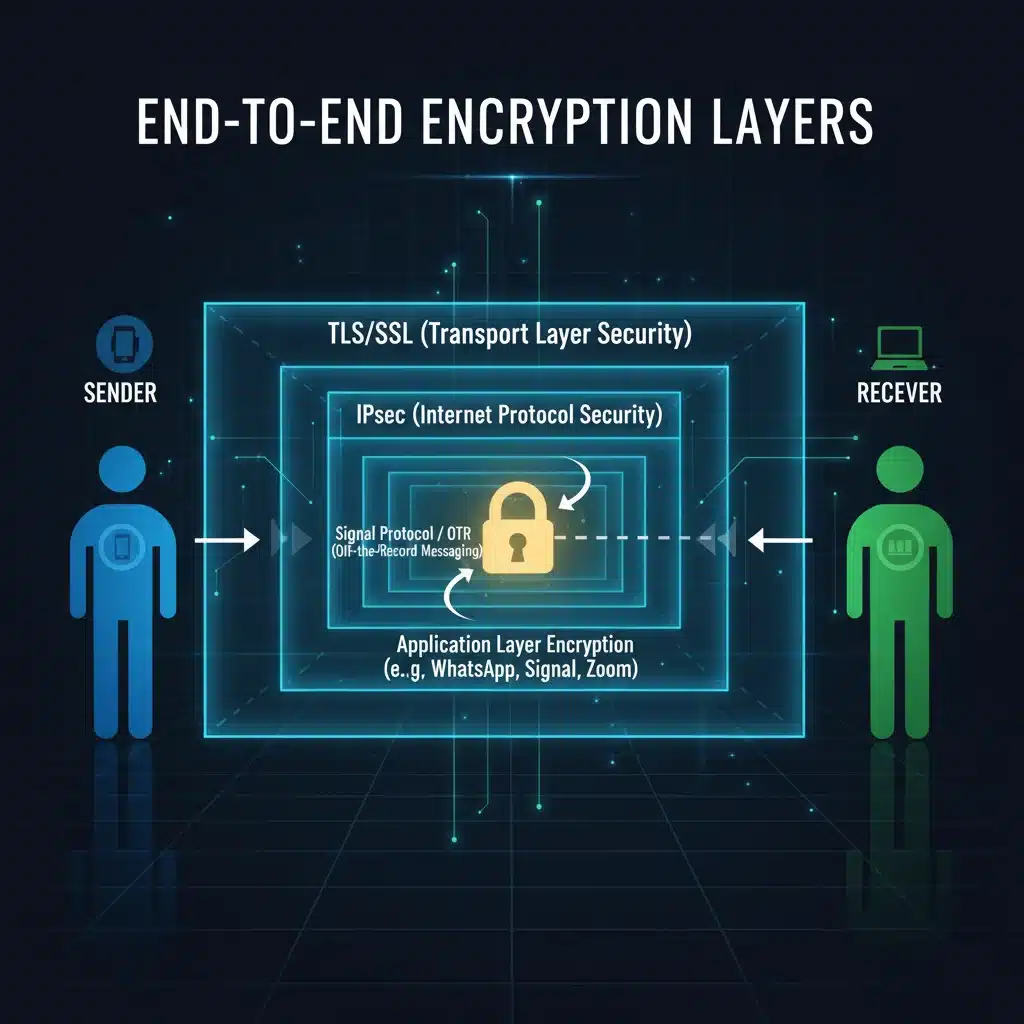
The cornerstone of secure communication for any crypto journalist in 2026 remains robust end-to-end encrypted (E2EE) messaging. While this concept isn’t new, the sophistication of platforms and the understanding of their limitations have evolved significantly. E2EE ensures that only the sender and the intended recipient can read the messages. Not even the service provider has access to the plaintext content. However, not all E2EE platforms are created equal, and discerning the truly secure from the merely performative is vital.
Signal: The Gold Standard
For most practical purposes, Signal continues to be the leading recommendation for secure messaging. Its protocol, the Signal Protocol, is widely regarded by cryptographers as the strongest and most audited E2EE protocol available. Key advantages for crypto journalists include:
- Zero-Knowledge Architecture: Signal collects almost no metadata. Unlike other platforms that might log who communicated with whom and when, Signal is designed to minimize this footprint. This is crucial because metadata, even without content, can often be used to infer relationships and reveal sources.
- Open-Source and Audited: The Signal app and its protocol are open-source, allowing independent security researchers to scrutinize the code for vulnerabilities. This transparency builds trust and ensures that no hidden backdoors exist.
- Disappearing Messages: The ability to set messages to automatically delete after a specified time adds an extra layer of security, reducing the risk of data compromise if a device falls into the wrong hands.
- Encrypted Voice and Video Calls: Beyond text, Signal provides E2EE for voice and video calls, making it suitable for sensitive conversations that require real-time interaction.
- Secure File Transfers: Journalists often need to share documents, images, and videos. Signal encrypts all file transfers, ensuring that sensitive evidence remains protected.
However, it’s important to remember that Signal, like any tool, is only as secure as its user. Journalists must practice good operational security (OpSec), such as using strong passphrases, enabling screen lock, and being wary of physical access to their devices. Furthermore, while Signal’s protocol is robust, the endpoints (the devices themselves) remain potential points of compromise if they are infected with malware or spyware.
Session: Decentralized and Metadata-Resistant
A newer contender gaining traction, particularly among those seeking even greater metadata protection, is Session. Built on the Oxen blockchain, Session offers a decentralized, anonymous messaging experience. Unlike Signal, which still relies on phone numbers for registration (though they are not linked to message content), Session does not require any personal information, not even a phone number or email address. This makes it an attractive option for sources who are extremely sensitive about their identity and digital footprint.
- Decentralized Network: Messages are routed through a decentralized network of nodes (Oxen Service Nodes), making it significantly harder to trace the origin or destination of messages compared to centralized services.
- No Phone Number Required: Users register with a Session ID, a cryptographic key, providing a high degree of anonymity from the outset.
- Onion Routing: Session employs a form of onion routing, similar to Tor, to obscure IP addresses and further enhance anonymity.
- E2EE by Default: All communications are end-to-end encrypted, ensuring message content privacy.
While Session offers enhanced anonymity, its user base is smaller, which might sometimes limit its utility for reaching a broad range of sources. The performance might also be slightly slower due to the decentralized routing. Nevertheless, for sources requiring the utmost anonymity, Session presents a compelling alternative to more traditional E2EE platforms. It’s a crucial tool for a crypto journalist’s arsenal when dealing with highly sensitive information where even minimal metadata could be a risk.
Ultimately, the choice of E2EE platform depends on the specific threat model and the comfort level of both the journalist and the source. A multi-platform strategy, where different tools are used for different levels of sensitivity, is often the most pragmatic approach. Regular training and updates on best practices for using these tools are also vital to maintain security in the face of evolving threats.
2. Hardware Security Modules (HSMs) and Secure Storage
Beyond communication, the secure storage of sensitive data is equally critical for crypto journalists. Raw data, interview notes, leaked documents, and cryptographic keys must be protected from unauthorized access. This is where Hardware Security Modules (HSMs) and other secure storage solutions become indispensable. While full-fledged HSMs are typically enterprise-grade devices, the principles they embody can be applied to more accessible tools for individual journalists.
Encrypted USB Drives with Hardware Encryption
Standard USB drives are notoriously insecure. However, USB drives with built-in hardware encryption offer a significant upgrade. These devices have a dedicated cryptographic processor that encrypts and decrypts data on the fly, independent of the host computer’s operating system. This provides a robust layer of protection against forensic data recovery attempts, even if the drive is lost or stolen.
- Tamper-Resistant: Many hardware-encrypted drives are designed to be tamper-evident or even self-destruct if physical tampering is detected, protecting against sophisticated attacks.
- Strong Authentication: These drives typically require a strong PIN or password entered directly on the device’s keypad, bypassing the computer’s potentially compromised keyboard.
- FIPS 140-2 Certification: Look for drives that are FIPS 140-2 certified, indicating they meet US government standards for cryptographic modules. This provides a strong assurance of their security capabilities.
For a crypto journalist, these drives are ideal for storing highly sensitive documents, cryptographic keys (e.g., PGP keys, cryptocurrency wallet seeds), and encrypted backups of critical information. They should be treated like physical keys – never left unattended and always stored in a secure physical location when not in use. The practice of air-gapping (keeping sensitive data on devices never connected to the internet) often goes hand-in-hand with hardware-encrypted storage.
Full Disk Encryption (FDE) with TPM/Secure Enclave
While software-based full disk encryption (like BitLocker for Windows or FileVault for macOS) is a good starting point, its security can be enhanced significantly when coupled with a Trusted Platform Module (TPM) or a Secure Enclave (found in Apple devices). These are dedicated cryptographic processors embedded in the computer’s hardware.
- Hardware Root of Trust: TPMs and Secure Enclaves provide a hardware-based root of trust, verifying the integrity of the boot process before decrypting the drive. This protects against boot-level malware and tampering.
- Key Management: They securely store cryptographic keys, making them extremely difficult to extract even if an attacker gains physical access to the device.
- Anti-Tampering Features: These modules can detect unauthorized changes to the system’s firmware or software, refusing to release the encryption key if tampering is detected.
For crypto journalists, enabling FDE with hardware support is non-negotiable for their primary workstations and laptops. It protects all data at rest, meaning if the device is stolen or confiscated, the data remains inaccessible without the correct decryption key and the integrity of the hardware. Combine this with strong, unique passphrases and multi-factor authentication for login, and the journalist creates a formidable barrier against data compromise. Regular backups to other secure, encrypted storage (like the hardware-encrypted USB drives) are also essential.
Practical Considerations for Secure Storage
Implementing secure storage effectively requires discipline. Journalists should:
- Encrypt Everything by Default: Assume all data is sensitive and encrypt it.
- Physical Security: Encryption protects against digital threats, but physical security is also paramount. Securely store devices and backup drives.
- Regular Backups: Encrypted data can still be lost due to hardware failure. Implement a robust, encrypted backup strategy.
- Destroy Data Securely: When data is no longer needed, use secure deletion methods that overwrite the data multiple times, especially for unencrypted temporary files.
The combination of robust hardware-backed encryption for devices and external storage creates a layered defense that significantly raises the bar for any adversary attempting to access a crypto journalist’s sensitive information. This proactive approach ensures that even if a device is compromised, the data within remains protected.
3. Decentralized and Anonymous Operating Systems & Networks
The operating system (OS) and network environment a crypto journalist uses can be as critical as their encryption tools. Traditional operating systems, even when patched, often contain vulnerabilities and leave extensive digital footprints. Similarly, relying on conventional internet service providers (ISPs) can expose metadata and IP addresses. Decentralized and anonymous solutions offer a way to mitigate these risks.
Tails OS: The Amnesic Incognito Live System
Tails OS is a live operating system that can be booted from a USB stick or DVD, independent of the computer’s hard drive. It’s designed to leave no trace on the computer it’s used on and forces all internet connections through the Tor network, ensuring anonymity. Tails has become a staple for journalists, activists, and whistleblowers due to its robust privacy features.
- Amnesic: By default, Tails does not write anything to the hard drive. All work is done in RAM, and when the system shuts down, all traces are wiped. This ensures that no forensic evidence is left behind on the host machine.
- Tor Network Integration: All outbound and inbound internet connections are automatically routed through the Tor network, obscuring the user’s IP address and making it extremely difficult to trace their online activities.
- Pre-configured Secure Software: Tails comes with a suite of pre-installed, security-hardened applications, including an E2EE email client (Thunderbird with OpenPGP), an E2EE messaging client (Pidgin with OTR), a password manager, and document viewers.
- Encrypted Persistent Storage: While amnesic by default, Tails allows users to create an encrypted persistent volume on the USB stick. This enables secure storage of documents, cryptographic keys, and configuration files between sessions, without compromising the amnesic nature of the main OS.
For crypto journalists, using Tails OS is ideal for conducting highly sensitive online research, communicating with anonymous sources, and accessing dark web resources. It isolates their activities from their regular computing environment, significantly reducing the risk of cross-contamination or accidental exposure of their identity. It’s particularly useful when working in potentially hostile environments or when interacting with sources who demand the highest level of anonymity.
Virtual Private Networks (VPNs) and Tor Combinations
While Tor provides anonymity by routing traffic through multiple relays, it can be slow, and the entry and exit nodes can sometimes be monitored. VPNs, on the other hand, encrypt traffic between the user and the VPN server, obscuring the user’s IP address from their ISP. Combining these two technologies, often referred to as ‘Tor over VPN,’ can provide an enhanced layer of security and anonymity.
- Tor over VPN: In this configuration, the VPN encrypts the initial connection to the Tor network. This hides the user’s IP address from the Tor entry node and prevents the ISP from knowing that the user is connecting to Tor. It adds an additional layer of obfuscation, making it even harder to link online activity back to the user.
- Careful VPN Selection: When choosing a VPN, crypto journalists must prioritize providers with a strict no-logs policy, audited security practices, and a history of protecting user privacy. Jurisdictional considerations are also important; VPNs based in countries with strong privacy laws are generally preferred.
- Split Tunneling and Kill Switches: Advanced VPN features like split tunneling (allowing some traffic to bypass the VPN) and kill switches (automatically disconnecting from the internet if the VPN connection drops) are vital for preventing accidental exposure of real IP addresses.
Using a VPN in conjunction with Tor, or even just a robust, trusted VPN for general online activities, provides a critical layer of network security. It helps to mask the journalist’s location, encrypts their internet traffic, and makes it significantly harder for third parties to monitor their online movements. This is particularly important when accessing sensitive websites, conducting research, or communicating via platforms that might not have built-in Tor integration.
Decentralized Autonomous Organizations (DAOs) for Secure Collaboration
While not strictly an encryption technique, the rise of DAOs in 2026 presents an interesting paradigm for secure, anonymous collaboration among crypto journalists. DAOs, by their nature, are decentralized and often leverage cryptographic principles for governance and communication.
- Pseudonymous Collaboration: Journalists can participate in DAOs using pseudonymous identities, allowing them to collaborate on investigations without revealing their real-world identities to all participants.
- Encrypted Communication Channels: Many DAOs utilize secure, encrypted communication channels (often built on top of existing E2EE protocols) for internal discussions and document sharing.
- Blockchain-Based Auditing: The transparency of blockchain can be leveraged to create auditable trails of decisions and funding within the DAO, potentially offering a secure way to manage shared resources for investigations.
While DAOs are still evolving, their potential for fostering secure, anonymous, and collaborative journalism, particularly in the crypto space, is immense. They offer a framework for pooling resources, sharing expertise, and collectively verifying information in a way that is resistant to censorship and external control. A crypto journalist might use a DAO to coordinate an investigation, fund a project, or even publish findings without a single central authority.
Operational Security (OpSec) as the Foundation
It is imperative to understand that even the most advanced encryption techniques are only as effective as the operational security (OpSec) practices of the user. A journalist could be using Signal, Tails, and FDE, but if they fall for a phishing scam, use weak passwords, or discuss sensitive information in an insecure environment, all those technical safeguards become moot. OpSec is the human element of security – the discipline and awareness required to consistently apply security principles in daily work.
Key OpSec principles for crypto journalists include:
- Threat Modeling: Constantly assess who might want to compromise you or your sources, what their capabilities are, and what information they seek. This informs which security measures are most appropriate.
- Assume Compromise: Work with the mindset that your devices or accounts could eventually be compromised. This encourages proactive measures like data compartmentalization and secure backups.
- Physical Security: Secure your physical environment. Lock devices, use privacy screens, and be aware of your surroundings when discussing sensitive topics.
- Strong, Unique Passwords and MFA: Use long, complex, and unique passphrases for every account, managed by a reputable password manager. Enable multi-factor authentication (MFA) everywhere possible, preferably using hardware keys (like YubiKey) over SMS-based MFA.
- Regular Software Updates: Keep all operating systems and applications updated to patch known vulnerabilities.
- Mind Your Metadata: Be acutely aware of what metadata your actions generate. Geotagging on photos, communication patterns, and browser history can all reveal crucial information.
- Practice and Training: Regularly practice using secure tools and stay informed about the latest security threats and best practices. Consider professional security training.
- Separate Devices: For extremely sensitive work, consider using dedicated, air-gapped devices that are never connected to the internet or your primary network.
- Secure Deletion: Don’t just hit ‘delete.’ Use secure deletion tools to ensure sensitive files are unrecoverable.
Without a strong foundation in OpSec, even the most sophisticated encryption techniques can be rendered useless. It’s a continuous process of learning, adapting, and diligent application. For crypto journalists, OpSec is not just a recommendation; it’s a professional obligation that underpins the trust placed in them by their sources and the public.
The Future of Source Protection: Quantum Resistance and Beyond
As we look beyond 2026, the landscape of encryption and source protection will undoubtedly continue to evolve. One of the most significant long-term concerns is the advent of quantum computing. While not yet a widespread threat, future quantum computers could theoretically break many of the public-key encryption algorithms currently in use, including those that underpin secure communication and digital signatures. Research into post-quantum cryptography (PQC) is ongoing, and crypto journalists should keep an eye on these developments, anticipating the need to transition to quantum-resistant algorithms once they are standardized and widely implemented.
Furthermore, advancements in artificial intelligence and machine learning will likely lead to more sophisticated surveillance techniques, capable of analyzing vast amounts of data and identifying patterns that human analysts might miss. This will necessitate even more robust metadata protection and a greater reliance on truly decentralized and privacy-preserving technologies.
The convergence of blockchain technology with privacy-enhancing techniques, such as zero-knowledge proofs (ZKPs), could also offer new avenues for source protection. ZKPs allow one party to prove that they possess certain information without revealing the information itself. This could be revolutionary for verifying source credentials or the authenticity of leaked documents without exposing the source’s identity or the full content of the sensitive data.
Conclusion
For US crypto journalists in 2026, protecting sources is not merely a professional courtesy; it is the bedrock upon which their investigative work rests. The digital realm, while offering unparalleled opportunities for reporting, also presents an array of sophisticated threats. By embracing and mastering advanced encryption techniques – specifically robust end-to-end encrypted communication platforms like Signal and Session, hardware-backed secure storage solutions, and anonymous operating systems and networks such as Tails OS and Tor-over-VPN configurations – journalists can build formidable defenses against surveillance and compromise.
However, technical solutions alone are insufficient. A rigorous commitment to operational security (OpSec) is the indispensable human element that binds these technologies together, ensuring their effective and consistent application. As the digital frontier continues to expand and evolve, so too must the strategies for source protection. Crypto journalists must remain vigilant, continuously educating themselves, adapting their tools, and refining their practices to uphold the integrity of their work and safeguard those who bravely come forward with the truth. The future of investigative journalism in the crypto space depends on it.