Smart Appliance Integration: 25% Energy Efficiency by Mid-2026
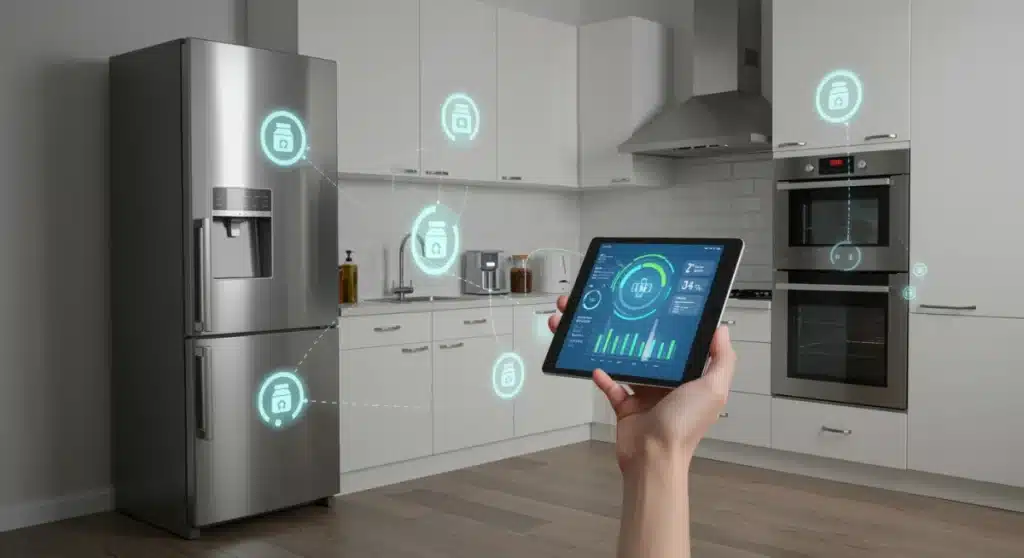
Achieving a significant 25% increase in energy efficiency within US homes by mid-2026 is highly attainable through the strategic implementation of advanced smart appliance integration, optimizing consumption across various household systems.
The quest for a more sustainable and cost-effective lifestyle is driving innovation in home technology. By mid-2026, homeowners in the United States have an unprecedented opportunity to elevate their energy efficiency by a remarkable 25% through advanced smart appliance integration. This isn’t just about individual smart gadgets; it’s about creating a cohesive ecosystem that learns, adapts, and conserves energy proactively.
the evolution of smart appliance integration
Smart appliance integration has evolved far beyond simple remote controls, transitioning into sophisticated systems that communicate and coordinate to optimize energy consumption. Early smart devices offered convenience; today’s integrated solutions deliver tangible economic and environmental benefits by working together seamlessly.
This paradigm shift from standalone smart gadgets to fully integrated networks is a game-changer for energy management. It allows for a holistic approach, where the entire home acts as a single, intelligent entity, constantly adjusting to user preferences, external conditions, and energy prices.
from standalone devices to integrated ecosystems
Initially, smart appliances operated in silos, offering individual benefits but lacking broader coordination. Now, the emphasis is on interoperability and seamless communication protocols.
- Unified platforms: Centralized hubs and cloud-based systems manage diverse devices.
- Standardized protocols: Technologies like Matter and Thread ensure broader compatibility.
- AI-driven automation: Artificial intelligence learns usage patterns to automate energy-saving routines.
The ability of these systems to integrate with home energy management systems (HEMS) is crucial. HEMS provide a comprehensive overview of energy consumption, allowing homeowners to identify inefficiencies and make informed decisions.
key technologies driving integration
Several underlying technologies are pivotal in making this level of integration possible. These include advanced sensors, edge computing, and robust wireless communication standards.
- IoT sensors: Monitor environmental factors like temperature, humidity, and occupancy.
- Edge computing: Processes data locally for faster responses and reduced latency.
- 5G and Wi-Fi 6: Provide high-speed and reliable connectivity for all devices.
The continued development and adoption of these technologies are accelerating the pace at which smart homes can achieve higher levels of energy efficiency. As more devices become ‘smart,’ the potential for integrated savings grows exponentially.
In essence, the evolution of smart appliance integration is about creating a truly intelligent home that not only responds to commands but also anticipates needs and optimizes its operations autonomously. This foundational shift is what makes the 25% energy efficiency goal a realistic target for many US households.
understanding the 25% energy efficiency goal
The ambitious target of achieving 25% greater energy efficiency in US homes by mid-2026 isn’t just a number; it represents a significant leap towards sustainable living and substantial cost savings for consumers. This goal is attainable through a combination of technological adoption and behavioral changes facilitated by smart systems.
Understanding what constitutes this 25% means looking beyond simple appliance upgrades. It encompasses optimizing heating, ventilation, and air conditioning (HVAC), lighting, water heating, and the operation of all connected devices within the home.
quantifying energy savings
Achieving a 25% reduction in energy consumption translates into tangible benefits. For an average US household, this could mean hundreds of dollars saved annually on utility bills, alongside a reduced carbon footprint.
Smart thermostats, for example, can contribute significantly by learning schedules and adjusting temperatures based on occupancy and external weather. Integrated lighting systems can ensure lights are only on when needed and at optimal brightness, while smart water heaters can pre-heat water during off-peak hours.
factors contributing to the goal
Several factors are converging to make this 25% goal realistic. These include advancements in appliance technology, improved interoperability standards, and increasing consumer awareness and demand for energy-efficient solutions.
- Appliance innovation: Newer models are inherently more efficient.
- Data analytics: Real-time data helps homeowners understand and manage consumption.
- Government incentives: Tax credits and rebates encourage adoption of smart, efficient tech.
The synergy between these elements creates a powerful impetus for change. When consumers are equipped with the right tools and incentives, the collective impact on national energy consumption can be immense.
Ultimately, the 25% energy efficiency goal is a testament to the power of integrated smart home technology. It highlights a future where homes are not just comfortable but also environmentally responsible and economically sensible, driven by intelligent systems working in harmony.
key smart appliances for energy optimization
To truly achieve significant energy efficiency, focusing on key smart appliances that are major energy consumers is paramount. These devices, when integrated effectively, offer the greatest potential for reducing overall household energy usage.
From climate control to kitchen essentials, upgrading and connecting these core appliances forms the backbone of an energy-efficient smart home. Their ability to communicate and respond to a central system or even each other is where the real savings begin.
smart thermostats and HVAC systems
HVAC systems are typically the largest energy consumers in a home. Smart thermostats are crucial for optimizing their operation, learning daily routines, and adjusting temperatures automatically.
- Geofencing: Adjusts temperature when residents leave or return home.
- Occupancy sensors: Prevents heating or cooling empty rooms.
- Integration with weather forecasts: Pre-cools or pre-heats based on anticipated conditions.
Beyond thermostats, smart HVAC units can self-diagnose issues, schedule maintenance, and even integrate with air quality monitors to optimize ventilation, further contributing to both comfort and efficiency.
intelligent lighting and power management
Lighting, while individually not a huge energy drain, can add up. Smart lighting systems, coupled with smart plugs and power strips, provide granular control over energy usage throughout the home.
- Motion sensors: Turn lights on/off based on presence.
- Daylight harvesting: Adjusts brightness based on natural light levels.
- Smart plugs: Cut power to ‘vampire’ devices when not in use.
These systems ensure that energy is only consumed when and where it’s needed, eliminating wasteful standby power and unnecessary illumination. The ability to schedule and remotely control these elements adds another layer of convenience and savings.
smart kitchen and laundry appliances
Modern smart refrigerators, ovens, dishwashers, and washing machines are designed with energy efficiency in mind, but their true potential is unlocked through integration.
- Smart refrigerators: Optimize defrost cycles and monitor door openings.
- Smart ovens: Pre-heat efficiently and offer precise temperature control.
- Smart laundry: Run during off-peak electricity hours and detect load sizes for optimal water/energy use.
By connecting these appliances to a central energy management system, homeowners can automate their operation to minimize energy consumption, taking advantage of lower electricity rates or coordinating with solar panel output. This integrated approach transforms everyday chores into energy-saving opportunities.
the role of AI and machine learning in energy savings
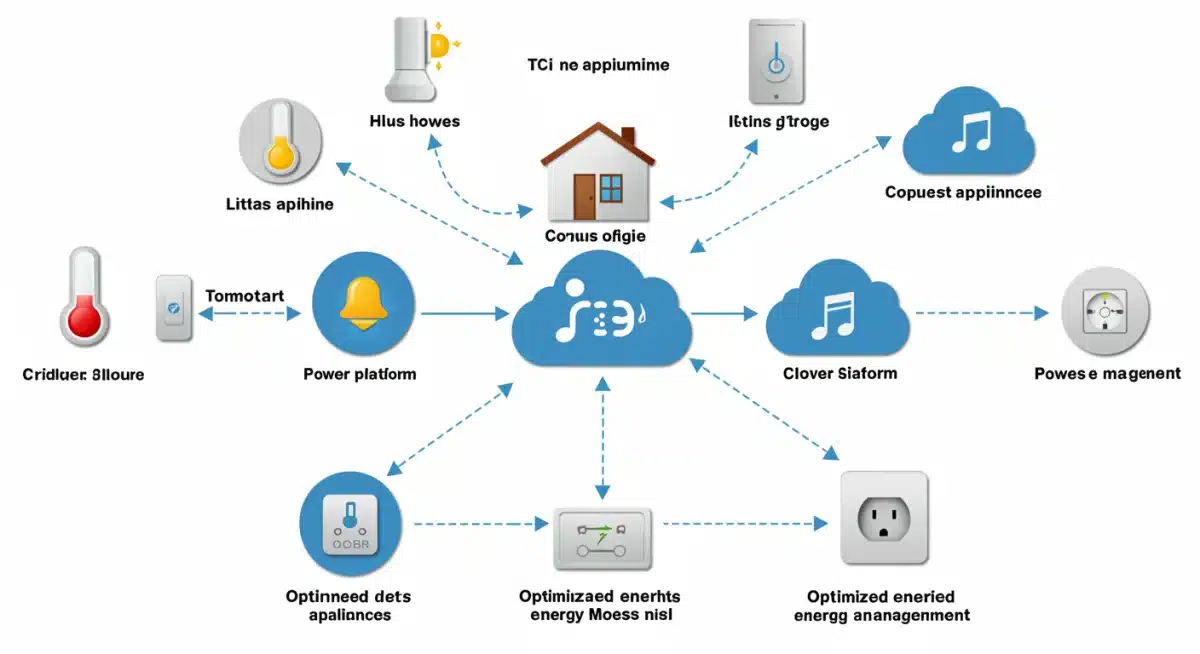
Artificial intelligence (AI) and machine learning (ML) are no longer futuristic concepts; they are actively shaping the present and future of home energy management. These technologies provide the intelligence behind truly smart appliance integration, enabling systems to learn, predict, and optimize energy usage with unprecedented accuracy.
The ability of AI to process vast amounts of data—from weather patterns and occupancy sensors to electricity rates and user habits—allows smart homes to make informed decisions autonomously, leading to significant energy savings without sacrificing comfort.
predictive energy management
AI’s predictive capabilities are at the heart of advanced energy optimization. By analyzing historical data and real-time inputs, AI algorithms can anticipate future energy needs and adjust appliance behavior accordingly.
- Learning algorithms: Identify patterns in user behavior and energy consumption.
- Proactive adjustments: Pre-cool home before peak afternoon heat, for example.
- Anomaly detection: Alerts users to unusual energy spikes that might indicate a problem.
This predictive approach means the home isn’t just reacting to conditions but actively managing them, ensuring that energy is used as efficiently as possible at all times. It’s about getting ahead of demand rather than simply responding to it.
optimizing based on external factors
Beyond internal home dynamics, AI also integrates external factors into its energy management strategies. This includes local weather forecasts, real-time electricity prices, and even grid demand.
- Grid integration: Shifts energy-intensive tasks to off-peak hours to reduce strain on the grid and save money.
- Renewable energy optimization: Prioritizes appliance use when solar panels are generating surplus power.
- Weather-adaptive controls: Automatically adjusts HVAC settings in anticipation of temperature changes.
By considering this broader context, AI-driven smart homes can achieve a level of efficiency that manual control simply cannot match. It transforms a house into an active participant in the energy ecosystem, contributing to both personal savings and broader grid stability.
In essence, AI and machine learning are the brains of smart appliance integration, enabling a dynamic and responsive home environment that continuously seeks the most efficient way to operate, making the 25% energy efficiency target not just possible but practical.
implementation strategies for US homeowners
For US homeowners looking to achieve 25% greater energy efficiency by mid-2026, a strategic approach to implementing smart appliance integration is essential. It’s not about buying every smart gadget; it’s about making informed choices that yield the greatest impact on energy consumption.
Starting with an audit of current energy usage and identifying the biggest energy drains is a crucial first step. This allows for targeted investments in smart technologies that will provide the best return in terms of efficiency gains and cost savings.
start with an energy audit
Before making any purchases, understanding where your home’s energy goes is vital. Many utility companies offer free or low-cost energy audits, or you can use smart energy monitors to track consumption.
- Identify energy hogs: Pinpoint appliances and systems that consume the most power.
- Assess insulation: Ensure your home’s envelope is sealed to prevent energy loss.
- Review utility bills: Look for patterns and peak usage times to inform smart tech choices.
A thorough audit provides a baseline and helps prioritize upgrades, ensuring that your investment in smart appliance integration is both effective and efficient.
phased implementation and budgeting
Implementing a full smart home system can be a significant investment. A phased approach allows homeowners to spread costs and gradually integrate new technologies, starting with high-impact areas.
- Phase 1: High-impact devices: Begin with smart thermostats, lighting, and power management.
- Phase 2: Major appliances: Upgrade to smart refrigerators, ovens, and laundry machines as older ones need replacing.
- Phase 3: Advanced integration: Introduce smart blinds, water heaters, and home energy management systems.
Budgeting for these upgrades and exploring available incentives, such as federal tax credits or local utility rebates, can significantly offset the initial costs, making the transition more financially viable.
ensuring interoperability and security
As you build your smart home ecosystem, ensuring that devices can communicate with each other is critical. Focusing on platforms and devices that support open standards like Matter or Thread will prevent compatibility issues.
- Choose compatible platforms: Opt for ecosystems like Apple HomeKit, Google Home, or Amazon Alexa.
- Prioritize security: Select devices with robust security features and regularly update firmware.
- Network stability: Invest in a strong, reliable Wi-Fi network to support all connected devices.
A secure and interoperable system ensures that your smart home operates smoothly and efficiently, maximizing your energy savings and providing peace of mind. Thoughtful implementation is key to unlocking the full potential of smart appliance integration.
future trends and challenges in smart energy efficiency
While the path to 25% energy efficiency through smart appliance integration by mid-2026 is clear, the landscape continues to evolve. Future trends promise even greater optimization, but also present new challenges that need to be addressed for widespread adoption and maximum impact.
Anticipating these developments and preparing for potential hurdles will be crucial for homeowners and industry alike, ensuring that the momentum towards smarter, more efficient homes continues unabated.
advancements in grid-responsive homes
The future of smart homes is deeply intertwined with the broader energy grid. Homes will become more active participants, not just consumers, helping to balance demand and supply.
- Vehicle-to-grid (V2G) technology: Electric vehicles will act as mobile batteries, feeding power back to the home or grid.
- Personalized energy profiles: AI will create highly detailed energy usage profiles, optimizing based on individual needs and grid conditions.
- Microgrids: Homes and communities will increasingly rely on localized renewable energy sources, managed by smart systems.
This shift towards grid-responsive homes will empower consumers to not only save money but also contribute to a more resilient and sustainable energy infrastructure.
cybersecurity and data privacy concerns
As homes become more connected, the importance of cybersecurity and data privacy grows exponentially. Protecting personal data and preventing unauthorized access to smart home systems will be a continuous challenge.
- Enhanced encryption: Stronger security protocols for device communication.
- Transparent data policies: Manufacturers providing clear information on how data is collected and used.
- User control: Giving homeowners greater control over their data and privacy settings.
Addressing these concerns will be critical for maintaining consumer trust and accelerating the adoption of smart home technologies. Robust security measures are as important as the energy-saving capabilities themselves.
accessibility and cost of advanced systems
Ensuring that advanced smart appliance integration is accessible to a broader demographic remains a challenge. The initial investment can be a barrier for some households.
- Lowering hardware costs: Continued innovation and mass production will drive down prices.
- Simplified installation: Easier setup processes will reduce reliance on professional installers.
- Government and utility programs: Expanded incentives to make smart tech more affordable for all income levels.
Overcoming these challenges will be key to realizing the full potential of smart energy efficiency across all US homes, ensuring that the benefits are shared broadly and equitably.
| Key Aspect | Brief Description |
|---|---|
| Integration Goal | Achieve 25% energy efficiency in US homes by mid-2026. |
| Core Technologies | AI, ML, IoT sensors, Matter/Thread protocols for seamless device communication. |
| Key Appliances | Smart thermostats, lighting, power management, kitchen, and laundry. |
| Implementation | Energy audit, phased upgrades, focus on interoperability and security. |
frequently asked questions about smart home energy efficiency
Smart appliance integration involves connecting various smart devices and systems in your home (e.g., thermostats, lighting, major appliances) to a central platform. This allows them to communicate, share data, and automate operations to collectively optimize energy consumption, reducing your overall energy footprint and utility costs.
Smart thermostats learn your preferences and schedule, adjusting heating and cooling based on occupancy, external weather, and even electricity rates. By preventing energy waste in empty rooms or during off-peak hours, they significantly reduce HVAC energy consumption, often the largest energy draw in a home.
Initial costs for smart appliances can be higher than traditional models, but prices are decreasing. Many devices are designed for DIY installation, and utility rebates or government incentives can offset expenses. Maintenance is generally similar to conventional appliances, with the added benefit of remote diagnostics.
AI and machine learning analyze vast amounts of data—from your habits to weather forecasts and electricity prices. This allows smart systems to predict energy needs, proactively adjust appliance settings, and optimize usage patterns, leading to more precise and substantial energy savings compared to manual control.
Begin with an energy audit to identify your biggest energy consumers. Then, prioritize smart thermostats and lighting controls, as they offer significant and immediate savings. Ensure new devices are compatible with a chosen smart home ecosystem to guarantee seamless integration and maximize their collective efficiency benefits.
conclusion
The journey towards achieving 25% greater energy efficiency in US homes by mid-2026 through smart appliance integration is not merely aspirational; it is a tangible and achievable goal. By embracing interconnected technologies, leveraging the power of AI, and adopting strategic implementation practices, homeowners can unlock substantial savings, reduce their environmental impact, and experience a new level of comfort and convenience. The future of home energy is intelligent, integrated, and within reach, promising a more sustainable and economically sensible living experience for all.