Top 5 Smart Home Devices Under $100 in 2026: Budget-Friendly Automation for US Homes
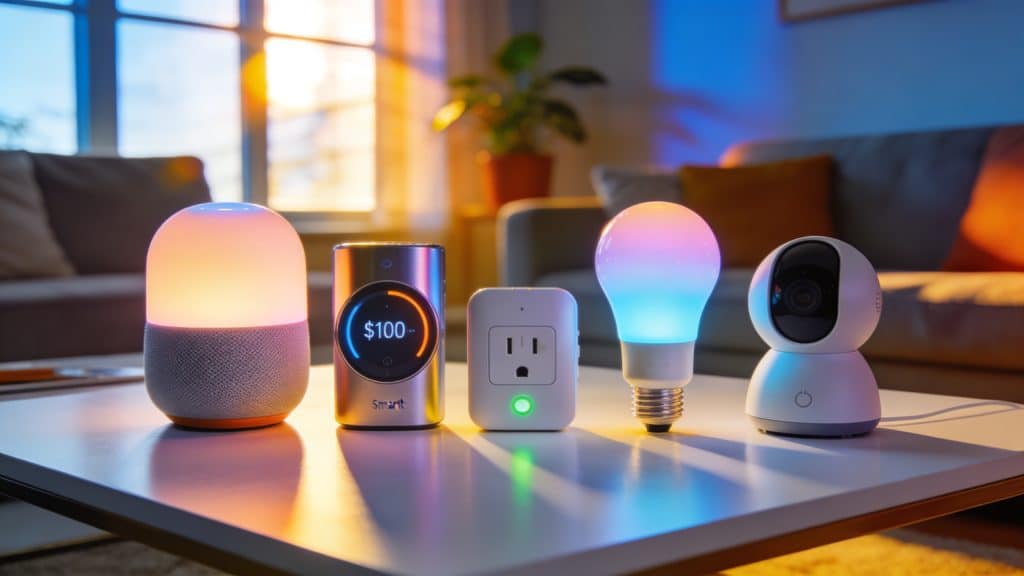
In the rapidly evolving landscape of home technology, the idea of a ‘smart home’ is no longer a futuristic fantasy but an attainable reality for many. As we approach 2026, the market is brimming with innovative devices designed to make our lives easier, more secure, and more energy-efficient. However, a common misconception is that smart home integration comes with a hefty price tag. This couldn’t be further from the truth. Thanks to advancements in manufacturing and increased competition, there’s a wealth of budget smart home devices available that offer incredible functionality without breaking the bank.
This comprehensive guide is tailored specifically for U.S. consumers looking to embark on their smart home journey or expand their existing setup with practical, affordable solutions. We’ve scoured the market to identify the top 5 smart home devices under $100 that promise to deliver significant value in 2026. Our focus is on devices that are not only cost-effective but also reliable, user-friendly, and compatible with popular smart home ecosystems. Whether you’re aiming to enhance security, optimize energy consumption, or simply add a touch of modern convenience to your daily routine, these selections prove that smart living is accessible to everyone.
The journey into smart home technology can seem daunting, with myriad options and technical jargon. Our goal is to demystify this process, providing clear, concise information that helps you make informed decisions. We’ll delve into the features, benefits, and practical applications of each device, ensuring you understand how these budget smart home devices can integrate seamlessly into your lifestyle. Get ready to transform your home into a smarter, more responsive environment, all while staying comfortably within your budget.
The Rise of Affordable Smart Home Technology
The smart home market has matured considerably over the past few years, moving beyond early adopter phases to mainstream appeal. This evolution has been driven by several key factors: increased accessibility, improved interoperability, and perhaps most importantly, a significant reduction in cost. What once cost hundreds of dollars can now often be found for less than a hundred, making budget smart home devices a cornerstone of modern home automation.
Manufacturers are now focusing on creating devices that offer core functionalities at competitive prices, understanding that consumers are looking for practical solutions that solve everyday problems without requiring a significant investment. This shift has democratized smart home technology, allowing a broader demographic of U.S. consumers to experience the benefits of automated living. From controlling lights with your voice to monitoring your home remotely, the possibilities are vast, even on a strict budget.
Furthermore, the integration with voice assistants like Amazon Alexa and Google Assistant has made these devices incredibly intuitive to use. No longer do you need complex programming; simple voice commands or a few taps on a smartphone app are all it takes to manage your smart home. This ease of use, combined with affordability, is propelling the smart home market forward, making 2026 an exciting time to invest in these technologies.
Criteria for Our Top 5 Selection
To ensure our recommendations are truly valuable for U.S. consumers, we established rigorous criteria for selecting the top 5 smart home devices under $100. These criteria focus on a balance of affordability, functionality, reliability, and user experience:
- Price Point: Strictly under $100 USD at the time of publication (and projected for 2026).
- Practical Utility: Devices that offer tangible benefits and solve common household problems.
- Ease of Setup and Use: Simple installation processes and intuitive app interfaces.
- Compatibility: Integration with popular smart home ecosystems (e.g., Alexa, Google Home, Apple HomeKit) or standalone functionality that is robust.
- Reliability and Durability: Products from reputable brands known for quality and customer support.
- Consumer Reviews: High ratings and positive feedback from a large user base.
- Future-Proofing: Devices that are likely to remain relevant and supported in the coming years.
By adhering to these standards, we’ve curated a list that represents the best of what the market has to offer for budget smart home devices, ensuring you get the most bang for your buck.
1. Smart Plugs: The Gateway to Home Automation
Smart plugs are arguably the simplest and most cost-effective entry point into the world of smart homes. For under $100, you can often purchase multiple units, transforming ordinary appliances into smart ones. These tiny devices plug into any standard wall outlet, allowing you to control whatever is plugged into them from your smartphone or via voice commands.
Why Smart Plugs are Essential
The utility of smart plugs is incredibly broad. Imagine turning off a forgotten curling iron from work, scheduling your coffee maker to brew before you wake up, or setting up a lamp to turn on automatically when you’re away to deter potential intruders. Smart plugs offer unparalleled convenience and peace of mind. Many models also include energy monitoring features, providing insights into how much power your devices are consuming, which can help you identify energy vampires and reduce your electricity bills.
Key Features to Look For:
- Energy Monitoring: A crucial feature for saving money and understanding usage.
- Scheduling: Set devices to turn on/off at specific times.
- Voice Control: Compatibility with Alexa, Google Assistant, or both.
- Remote Access: Control devices from anywhere using your smartphone app.
- Compact Design: Ensure they don’t block adjacent outlets.
Recommended Budget Smart Home Devices in This Category (2026 Projections):
- TP-Link Kasa Smart Plug Mini (KP105/KP115): Consistently highly rated for reliability, ease of setup, and robust app features, often available in multi-packs under $100, especially the energy monitoring KP115.
- Wyze Plug Outdoor: If you need outdoor control, Wyze offers a durable, weather-resistant option with two individually controlled outlets, typically priced well under the $100 mark.
- Amazon Smart Plug: Designed for seamless integration with Alexa, it’s incredibly easy to set up and use, often bundled with other Amazon devices or available at a competitive price.
Smart plugs are a prime example of how budget smart home devices can offer significant practical benefits. They transform mundane tasks into automated conveniences and provide valuable insights into your home’s energy consumption, making them a must-have for any smart home enthusiast.
2. Smart Light Bulbs: Ambiance and Efficiency at Your Fingertips
Beyond simply turning lights on and off, smart light bulbs offer a world of possibilities for enhancing your home’s ambiance, security, and energy efficiency. While some advanced systems can be pricey, individual smart bulbs or starter packs often fall well within the $100 budget, making them an excellent choice for budget smart home devices.
Transforming Your Lighting Experience
With smart light bulbs, you can adjust brightness, change colors (with RGB models), and create custom lighting scenes to suit any mood or occasion. Imagine dimming the lights for a movie night with a simple voice command or having your lights gradually brighten in the morning to simulate a sunrise. Beyond aesthetics, smart bulbs contribute to energy savings thanks to their LED technology and the ability to schedule their operation, ensuring lights are only on when needed.
What to Consider When Buying:
- Color vs. White: Decide if you need full-color customization or just adjustable white light.
- Connectivity: Wi-Fi bulbs connect directly to your router, while others might require a hub (which could push you over budget if not included).
- Brightness (Lumens): Ensure the bulb provides adequate illumination for your space.
- Compatibility: Check for integration with your preferred voice assistant.
Top Budget Smart Home Devices for Lighting (2026 Projections):
- Wyze Bulb Color: Offers vibrant colors, tunable white light, and direct Wi-Fi connectivity for a very competitive price, often allowing you to buy multiple bulbs for under $100.
- TP-Link Kasa Smart Wi-Fi Light Bulb (KL110/KL130): Similar to their smart plugs, Kasa bulbs are reliable, easy to set up, and integrate seamlessly with Alexa and Google Assistant. Both white and color options are available within budget.
- Philips Hue White Ambiance (Starter Kit with Hub often just over $100, but individual bulbs are well under): While a full Hue system can be expensive, individual White Ambiance bulbs (which offer tunable white light) are often available for under $30. If you already have a Hue Bridge or are willing to slowly build your system, these are excellent.
Smart lighting elevates your home’s atmosphere and functionality without demanding a premium price. These budget smart home devices are an investment in both convenience and energy efficiency.
3. Smart Speakers/Displays: The Command Center on a Budget
A smart speaker or smart display serves as the central hub for your voice-controlled smart home. While high-end models can be expensive, several excellent options are available for under $100, providing access to voice assistants, music, news, and control over your other budget smart home devices.
More Than Just Music
These devices are indispensable for a truly integrated smart home experience. They allow you to control lights, plugs, thermostats, and more with simple voice commands. Beyond home automation, they offer a wealth of information and entertainment: ask about the weather, set timers, play your favorite music, listen to podcasts, or even make hands-free calls. Smart displays add a visual element, allowing you to watch videos, see recipes, or view security camera feeds.
Key Features to Prioritize:
- Voice Assistant: Decide between Amazon Alexa or Google Assistant based on your preference and existing ecosystem.
- Sound Quality: Important if you plan to use it for music.
- Display (for Smart Displays): Consider screen size and resolution for visual tasks.
- Privacy Features: Look for microphone mute buttons.
Affordable Smart Speaker/Display Options (2026 Projections):
- Amazon Echo Dot (5th Gen): The latest iteration of Amazon’s popular compact smart speaker offers improved sound quality, faster processing, and all the Alexa features you’d expect, consistently priced under $50.
- Google Nest Mini (2nd Gen): Google’s equivalent, the Nest Mini, provides excellent Google Assistant functionality, good sound for its size, and often goes on sale for well under $50.
- Amazon Echo Show 5 (3rd Gen): The compact smart display from Amazon offers a 5.5-inch screen, perfect for recipes, video calls, and viewing smart camera feeds. While sometimes a bit over $100, it frequently drops below this price point during sales.
A smart speaker or display is the brain of your budget smart home devices ecosystem, offering unparalleled convenience and acting as a central point of control. It’s a foundational purchase that unlocks the full potential of your other smart gadgets.
4. Entry-Level Smart Security Cameras: Peace of Mind on a Budget
Home security is a paramount concern for many U.S. consumers, and smart security cameras offer an affordable way to monitor your property. While professional systems can be costly, several reputable brands offer high-quality entry-level cameras for under $100, making them vital budget smart home devices.
Keeping an Eye on What Matters
These cameras provide live streaming to your smartphone, motion detection alerts, and often two-way audio, allowing you to see and speak to visitors (or deter unwanted ones). They can be used to monitor pets, check on children, or simply keep an eye on your front door. Many also offer local storage options (via SD card) to avoid monthly cloud subscription fees, further enhancing their budget-friendly appeal.
Key Features to Look For:
- Video Resolution: At least 1080p for clear images.
- Night Vision: Essential for monitoring in low light.
- Motion Detection: Customizable alerts are a plus.
- Two-Way Audio: For communication.
- Storage Options: Local (SD card) vs. Cloud (check for free tiers or affordable plans).
- Indoor/Outdoor Rating: Choose based on placement.
Recommended Budget Smart Home Devices for Security (2026 Projections):
- Wyze Cam v3 Pro: Building on the success of previous models, the v3 Pro offers excellent 2K resolution, color night vision, and a wide field of view for an incredibly low price. It’s suitable for both indoor and outdoor (with an optional weather-resistant case) use.
- Blink Mini: Amazon’s compact indoor security camera is known for its ease of setup, reliable performance, and integration with Alexa. It’s often available for around $30-$35, making it an incredibly accessible option.
- TP-Link Kasa Spot Pan Tilt (KC115): For those who need to cover a wider area, this indoor camera offers pan and tilt functionality, allowing you to remotely adjust the camera’s view. It’s a feature-rich option that often stays just under the $100 mark.
Investing in a smart security camera provides an invaluable layer of protection and surveillance. These budget smart home devices offer robust features that were once exclusive to much more expensive systems, making home security accessible to virtually everyone.
5. Smart Leak Detectors: Preventing Costly Disasters
Often overlooked, smart leak detectors are incredibly valuable budget smart home devices that can save you thousands of dollars in potential water damage. For well under $100, you can deploy several of these sensors in critical areas of your home.
Early Warning for Water Woes
Water leaks, whether from a faulty appliance, a burst pipe, or a leaky roof, can cause extensive and expensive damage if not detected early. Smart leak detectors are small, battery-powered sensors that you place in areas prone to leaks, such as under sinks, near water heaters, washing machines, or in basements. When they detect moisture, they send an immediate alert to your smartphone, allowing you to address the issue before it escalates into a major problem.
What to Look For in a Leak Detector:
- Connectivity: Wi-Fi or Z-Wave/Zigbee (the latter might require a hub, check if it’s included or if you have one).
- Battery Life: Long-lasting batteries are crucial for set-and-forget operation.
- Alerts: Reliable smartphone notifications, and ideally an audible alarm on the device itself.
- Durability: Water-resistant design.
Top Budget Smart Home Devices for Leak Detection (2026 Projections):
- Moen Flo Smart Water Detector: While Moen Flo’s whole-home system is expensive, their individual smart water detectors are highly rated, connect via Wi-Fi, and are often available for around $50-$70. They offer reliable detection and alerts.
- Fibaro Flood Sensor (Z-Wave): If you already have a Z-Wave hub (like SmartThings), the Fibaro sensor is a premium, feature-rich option that provides temperature monitoring in addition to leak detection, often found for under $70.
- Govee Wi-Fi Water Sensor: Govee offers multi-packs of Wi-Fi water sensors that are very affordable, often allowing you to cover several spots in your home for less than $100. They are simple to set up and provide instant alerts.
A smart leak detector is a small investment that offers immense protection against potentially catastrophic home damage. It’s a testament to how budget smart home devices can offer significant peace of mind and financial savings.
Integrating Your Budget Smart Home Devices: The Ecosystem Advantage
While each of these budget smart home devices offers standalone value, their true power lies in their ability to work together within a cohesive smart home ecosystem. When choosing devices, consider their compatibility with your preferred voice assistant (Alexa or Google Assistant) or a central hub if you plan to expand further.
Tips for Building Your Smart Home Ecosystem:
- Start Simple: Begin with one or two devices that address your most pressing needs (e.g., smart plugs for convenience, a camera for security).
- Choose a Platform: Decide whether you prefer Amazon Alexa or Google Assistant, and try to stick with devices compatible with that platform for seamless integration.
- Look for ‘Works With’ Badges: Check for labels like ‘Works with Alexa’ or ‘Works with Google Assistant’ to ensure compatibility.
- Consider IFTTT: If This Then That (IFTTT) is a free web service that allows you to create custom automations between different smart devices and services, even if they don’t natively integrate.
- Read Reviews: Always check recent consumer reviews for insights into real-world performance and any potential compatibility issues.
By thoughtfully integrating your budget smart home devices, you can create powerful automations that enhance your home’s comfort, security, and efficiency without needing a large investment. Imagine your lights turning on when your security camera detects motion, or your coffee maker starting when your smart speaker’s alarm goes off. The possibilities are endless!
The Future of Affordable Smart Homes in 2026 and Beyond
As technology continues to advance, we can expect even more sophisticated and affordable smart home devices to hit the market. The trend towards greater interoperability, standardized communication protocols, and AI-driven automation will only make smart homes more intuitive, powerful, and accessible. Matter, a new open-source connectivity standard, is set to revolutionize smart home compatibility, making it easier than ever for devices from different brands to work together seamlessly. This means that your budget smart home devices purchased in 2026 are likely to have even greater longevity and integration potential.
The focus will likely shift more towards predictive automation, where your home anticipates your needs based on learned behaviors and environmental factors, rather than just reacting to commands. Energy efficiency will remain a top priority, with devices offering even more granular control and insights into consumption. Security features will become more advanced, incorporating better AI for distinguishing between pets, people, and vehicles.
For U.S. consumers, this means that building a smart home will continue to be an exciting and rewarding endeavor, with an ever-expanding array of budget smart home devices that can truly transform daily living. The barrier to entry will continue to lower, making smart living a standard rather than a luxury.
Conclusion: Smart Living is Within Reach
The notion that smart home technology is exclusively for the affluent is a thing of the past. As we’ve explored, 2026 offers an impressive selection of budget smart home devices, each under $100, that can significantly enhance your home’s convenience, security, and energy efficiency. From the versatile smart plug that automates ordinary appliances to the vigilant smart camera providing peace of mind, and the essential leak detector guarding against costly damage, these devices prove that smart living is accessible to everyone.
By strategically choosing from these top 5 recommendations – smart plugs, smart light bulbs, smart speakers/displays, entry-level smart security cameras, and smart leak detectors – U.S. consumers can build a robust and interconnected smart home ecosystem without overspending. The key is to identify your needs, prioritize practical solutions, and leverage the growing compatibility between devices.
Embrace the future of home automation today. Start small, expand as your needs evolve, and discover how these affordable innovations can make your daily life simpler, safer, and more connected. Your smart home journey doesn’t have to be expensive; it just needs to be smart. With these budget smart home devices, you’re well on your way to a more intelligent and efficient living space.