Wearable Tech 2026: 24/7 Health Monitoring for Proactive Wellness
Anúncios
The landscape of personal health management is undergoing a revolutionary transformation, driven by advancements in wearable health monitoring technology. As we peer into 2026, it’s clear that these sophisticated devices are no longer just gadgets for fitness enthusiasts; they are becoming indispensable tools for proactive wellness management, offering unprecedented 24/7 data insights into our physiological states. The promise of continuous, real-time health data is shifting the paradigm from reactive illness treatment to preventative health strategies, empowering individuals to take a more informed and active role in their well-being.
Anúncios
The Dawn of Always-On Wearable Health Monitoring
In a world increasingly reliant on data, our health is no exception. The evolution of wearable health monitoring has been rapid, moving from simple step counters to complex biometric sensors capable of tracking an array of vital signs. By 2026, this technology will have matured significantly, offering unparalleled accuracy, integration, and user-friendliness. Imagine a future where your body communicates its needs and potential issues to you, not just when symptoms arise, but continuously, allowing for timely interventions and lifestyle adjustments. This is the core promise of advanced wearable health monitoring.
Beyond the Basics: What 2026’s Wearable Health Monitoring Offers
While current wearables excel at tracking heart rate, steps, and sleep, the next generation of wearable health monitoring devices will delve much deeper. Expect to see widespread adoption of sensors capable of:
- Continuous Glucose Monitoring (CGM) for Non-Diabetics: Moving beyond diabetes management, CGM will offer insights into how diet and lifestyle impact blood sugar levels for everyone, enabling personalized nutritional guidance and metabolic health optimization.
- Advanced Cardiovascular Health: Beyond basic heart rate, these devices will offer continuous ECG monitoring, early detection of arrhythmias, and even blood pressure tracking directly from the wrist, providing a comprehensive view of cardiac health.
- Stress and Mental Wellness Tracking: Utilizing heart rate variability (HRV), skin conductance, and even micro-expressions captured by discreet cameras, wearables will provide real-time stress indicators and offer guided breathing exercises or mindfulness prompts.
- Hydration and Electrolyte Balance: Non-invasive sensors will monitor hydration levels and electrolyte balance, particularly crucial for athletes or individuals in extreme environments, preventing dehydration and related health issues.
- Respiratory Health Monitoring: Tracking breathing rate, oxygen saturation, and even early detection of respiratory anomalies will become standard, offering valuable data for managing conditions like asthma or detecting early signs of infection.
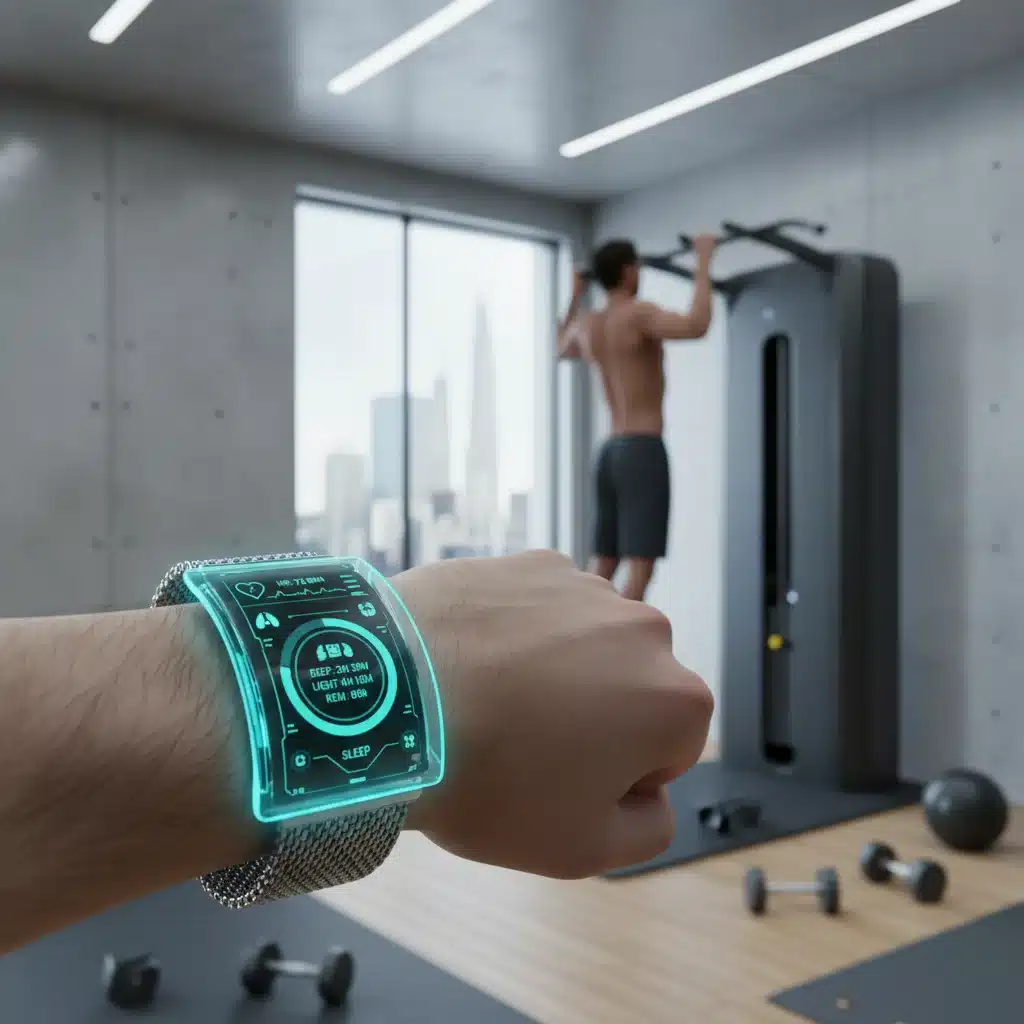
- Sleep Architecture and Cognitive Function: More granular sleep stage analysis, coupled with cognitive performance tests integrated into the wearable’s accompanying app, will provide insights into how sleep quality impacts daily mental acuity.
The Power of 24/7 Data: Proactive Wellness Management Redefined by Wearable Health Monitoring
The true power of 2026’s wearable health monitoring lies not just in the data points themselves, but in the continuous stream of information they provide. This constant feedback loop empowers individuals to move from a reactive stance, where they address health issues only after they manifest, to a proactive one. Consider these transformative impacts:
Early Detection and Prevention
With continuous monitoring, subtle changes in vital signs or biometric markers can be detected long before they become noticeable symptoms. This could mean identifying early signs of infection, flagging potential cardiovascular issues, or even predicting the onset of chronic conditions. For instance, a persistent elevation in resting heart rate or changes in sleep patterns could trigger an alert, prompting a user to consult a healthcare professional, potentially averting a more serious health crisis. This capability makes wearable health monitoring a critical tool in preventative medicine.
Personalized Health Insights
Every individual is unique, and so are their health needs. Generic health advice often falls short. Wearable health monitoring provides a personalized blueprint of your body’s responses to diet, exercise, stress, and environmental factors. AI-powered algorithms will analyze this vast amount of data to offer highly tailored recommendations – whether it’s suggesting optimal workout times based on your circadian rhythm, advising specific dietary changes to stabilize blood sugar, or recommending stress-reduction techniques when your HRV dips. This level of personalization transforms abstract health goals into actionable, data-driven strategies.
Optimized Performance and Recovery
For athletes and active individuals, advanced wearable health monitoring will be a game-changer. Beyond tracking performance metrics during exercise, these devices will provide crucial insights into recovery. Monitoring muscle oxygenation, lactic acid levels (via non-invasive patches), and detailed sleep recovery metrics will allow for truly optimized training schedules, minimizing overtraining and maximizing gains. The ability to understand your body’s readiness for intense activity versus its need for rest will lead to healthier, more sustainable fitness journeys.

The Integration Ecosystem: Beyond the Device
The true potential of 2026’s wearable health monitoring extends beyond the device itself. It’s about the ecosystem of integration that surrounds it. Data from wearables will seamlessly integrate with:
- Electronic Health Records (EHRs): Secure and permission-based integration with EHRs will allow healthcare providers to access a more complete and continuous picture of a patient’s health, leading to more informed diagnoses and treatment plans. This will revolutionize telemedicine and chronic disease management.
- AI-Powered Health Platforms: Sophisticated AI will not only analyze data but also predict potential health risks, offer personalized coaching, and even connect users with virtual health professionals or support groups. These platforms will become personal health concierges.
- Smart Home Environments: Imagine your wearable detecting low air quality or high pollen counts and automatically adjusting your smart home’s air purification system, or your sleep data prompting your smart bed to adjust its firmness for optimal rest.
- Nutritional and Fitness Apps: Deeper integration will mean more accurate calorie tracking, personalized meal plans based on real-time metabolic data, and fitness routines that adapt to your body’s daily readiness.
Challenges and Ethical Considerations in Wearable Health Monitoring
As with any powerful technology, the rise of advanced wearable health monitoring comes with its own set of challenges and ethical considerations that must be addressed to ensure its responsible development and deployment.
Data Privacy and Security
The sheer volume and sensitivity of personal health data collected by these devices raise significant privacy concerns. Who owns this data? How is it stored, protected, and shared? Robust encryption, clear data governance policies, and transparent user consent mechanisms will be paramount. Users must have full control over their health data, deciding who can access it and for what purpose. Breaches of this data could have severe consequences, from identity theft to discrimination based on health status. Regulations like GDPR and HIPAA will need continuous adaptation to encompass the nuances of continuous wearable health monitoring data.
Accuracy and Reliability of Wearable Health Monitoring
While accuracy is improving, not all wearable sensors are created equal, and clinical validation remains a critical hurdle. For wearable health monitoring to be truly impactful in medical decision-making, devices must meet rigorous standards for reliability and precision. Misleading data could lead to unnecessary anxiety, incorrect self-diagnoses, or even inappropriate medical interventions. Regulatory bodies will play an increasingly important role in certifying the medical-grade accuracy of these devices, distinguishing between consumer wellness trackers and clinically validated health monitors.
Digital Divide and Accessibility
The benefits of advanced wearable health monitoring could exacerbate existing health inequalities if access is limited to those who can afford the technology. Efforts must be made to ensure these life-changing tools are accessible and affordable across all socioeconomic strata. This might involve subsidies, insurance coverage, or the development of more cost-effective, yet still accurate, devices. The goal should be to improve public health broadly, not just for a privileged few.
Over-reliance and Data Fatigue
There’s a risk that individuals may become overly reliant on their devices, ignoring their body’s innate signals in favor of numerical data. Constant monitoring could also lead to data fatigue or health anxiety, where every minor fluctuation triggers undue concern. Education on interpreting data, understanding its limitations, and maintaining a balanced perspective on health will be crucial. The technology should augment human intuition, not replace it.
Ethical Use of Predictive Analytics
As AI-powered wearable health monitoring moves into predictive analytics, ethical questions arise. If a device predicts a high probability of a future illness, how should this information be communicated to the user? What are the implications for insurance, employment, or even personal relationships? Clear ethical guidelines are needed to navigate the complexities of predicting future health outcomes and ensuring this information is used to empower, not alarm or discriminate.

The Future of Wearable Health Monitoring: Beyond 2026
Looking beyond 2026, the trajectory of wearable health monitoring points towards even more seamless integration with our lives. Imagine smart clothing with embedded biosensors that feel like a second skin, or even ingestible nanobots that provide internal diagnostics. The trend will be towards invisibility, where technology recedes into the background, providing health insights without conscious effort.
Furthermore, the focus will shift from individual data points to holistic health models. AI will create digital twins of our bodies, simulating the effects of different interventions and predicting long-term health trajectories with remarkable accuracy. This will enable truly preventative medicine, where potential health issues are identified and addressed years, or even decades, before they manifest.
The convergence of wearable health monitoring with genomics, microbiome research, and advanced pharmacology will usher in an era of hyper-personalized medicine. Treatments will be tailored not just to an individual’s symptoms, but to their unique genetic makeup, lifestyle, and real-time physiological responses captured by their wearables. This integrated approach promises a future where health is not merely the absence of disease, but a state of optimized physical and mental well-being.
The Empowered Individual: A New Era of Self-Care with Wearable Health Monitoring
Ultimately, the most profound impact of advanced wearable health monitoring in 2026 will be the empowerment of the individual. No longer passive recipients of healthcare, people will become active participants in their health journeys. With continuous, actionable data at their fingertips, they will be equipped to make informed decisions about their lifestyle, diet, exercise, and mental well-being. This shift towards self-care, supported by intelligent technology, will lead to a healthier, more resilient global population.
The responsibility, however, also lies with technology developers, healthcare providers, and policymakers to ensure these advancements are deployed ethically, equitably, and with a clear focus on enhancing human well-being. The future of health is not just about more data; it’s about using that data wisely to create a world where proactive wellness is the norm, not the exception.
Embrace the future of health. Embrace the power of wearable health monitoring.