Web3 News for Journalists: Decentralized Reporting in 2026

The landscape of journalism is undergoing a seismic shift, propelled by the relentless march of technology. For US journalists, the advent of Web3 presents both a profound challenge and an unprecedented opportunity. By 2026, understanding and integrating Web3 principles into their reporting will not just be an advantage but a necessity. This comprehensive guide, ‘From Centralized to Decentralized: A US Journalist’s 6-Step Guide to Web3 News in 2026,’ aims to equip you with the knowledge and tools to navigate this new frontier. We’ll delve into how Web3 news reporting will redefine truth, transparency, and trust in an increasingly decentralized world.
The Centralized Quandary: Why Web3 News Reporting is Inevitable
For decades, traditional journalism has operated within a centralized framework. Large media corporations act as gatekeepers, controlling content creation, distribution, and monetization. While this model has served society for a long time, it’s not without its flaws. Issues like censorship, opaque funding, misinformation proliferation, and a lack of direct author-reader connection have plagued the industry. The public’s trust in media has eroded, making the need for a more transparent and equitable system more urgent than ever. This is where Web3 news reporting steps in as a transformative force.
Web3, the next iteration of the internet, is built on decentralized technologies like blockchain. It promises a shift from platforms owned by corporations to protocols owned by users. For journalists, this means moving away from relying solely on centralized publishers and social media giants to self-publish, own their data, and potentially even their audience relationships. The implications for intellectual property, content monetization, and editorial independence are immense. As we approach 2026, journalists who grasp these fundamentals will be at the forefront of this evolution, shaping the future of news.
Step 1: Understanding the Web3 Ecosystem – A Journalist’s Primer
Before diving into practical applications, a solid understanding of the Web3 ecosystem is paramount for effective Web3 news reporting. This involves grasping core concepts like blockchain, cryptocurrencies, NFTs (Non-Fungible Tokens), DAOs (Decentralized Autonomous Organizations), and decentralized applications (dApps). Think of blockchain as a distributed, immutable ledger that records transactions across a network of computers. This ledger isn’t controlled by any single entity, making it inherently transparent and resistant to tampering – qualities that are incredibly valuable for journalism.
Blockchain Basics for Journalists
- Decentralization: No single point of control, reducing censorship risks.
- Immutability: Once data is recorded, it cannot be altered, providing a verifiable record of events.
- Transparency: All transactions are publicly viewable, fostering trust.
- Smart Contracts: Self-executing contracts with the terms of the agreement directly written into code, enabling automated and trustless agreements.
Cryptocurrencies, like Bitcoin and Ethereum, are the native digital assets of these blockchains, enabling transactions and incentivizing network participation. NFTs are unique digital assets that prove ownership of a specific item, whether it’s an article, an image, or a piece of art. DAOs are organizations governed by code, allowing communities to make decisions collectively and transparently. Understanding these building blocks is the first crucial step for any US journalist aspiring to excel in Web3 news reporting by 2026.
Step 2: Leveraging Decentralized Platforms for Content Creation and Distribution
The shift from centralized to decentralized platforms is a cornerstone of Web3 news reporting. Instead of publishing on a traditional news website or social media platform that dictates terms, journalists can leverage decentralized alternatives that offer greater control and ownership. These platforms often run on blockchain technology, ensuring that content is censorship-resistant and that creators retain full ownership of their work.
Key Decentralized Publishing Platforms to Explore:
- Mirror.xyz: A popular Web3 native publishing platform where writers can publish articles, monetize their work through NFTs, and even crowdfund projects directly from their audience. It’s a prime example of how journalists can own their content and audience relationships.
- Substack (with Web3 integrations): While not fully decentralized, platforms like Substack are exploring Web3 integrations, allowing creators to offer NFT subscriptions or leverage crypto payments. This represents a hybrid model that bridges the gap between Web2 and Web3.
- IPFS (InterPlanetary File System): A peer-to-peer hypermedia protocol designed to make the web faster, safer, and more open. Journalists can use IPFS to host their articles, ensuring that their content is distributed across a network and cannot be easily taken down by a single entity.
- Decentralized Social Media (e.g., Lens Protocol, Farcaster): These burgeoning platforms offer alternatives to traditional social media, allowing users to own their social graphs and content. Journalists can build their audience directly on these platforms, free from algorithmic manipulation and censorship.
By experimenting with these platforms, US journalists can begin to understand the practicalities of publishing in a decentralized environment. This not only offers greater resilience against censorship but also opens up new avenues for direct audience engagement and monetization, fundamentally altering the economics of Web3 news reporting.
Step 3: Verifying Information with Blockchain and Cryptographic Proofs
One of the most significant advantages of Web3 for journalism is its potential to combat misinformation through verifiable, blockchain-backed information. Web3 news reporting can leverage cryptographic proofs to verify the authenticity and origin of news content, images, and videos. This is a game-changer in an era where deepfakes and fabricated stories are increasingly prevalent.
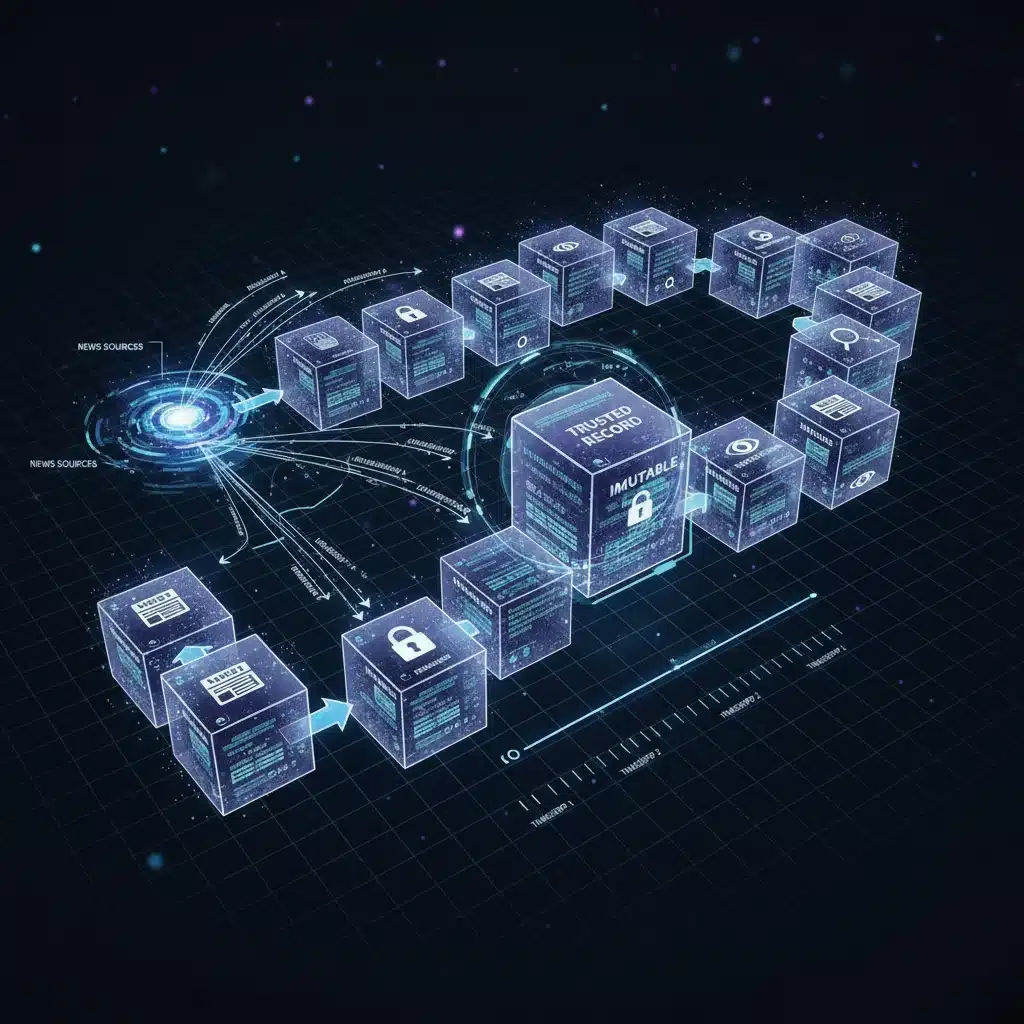
How Blockchain Enhances News Verification:
- Content Provenance: Journalists can timestamp their content on a blockchain, creating an immutable record of when and by whom a piece of information was first published. This helps establish original authorship and combat plagiarism.
- Source Verification: By using digital signatures and cryptographic hashes, journalists can verify the authenticity of their sources. For example, a source could cryptographically sign a statement, proving its origin.
- Data Integrity: Blockchain can be used to store and verify datasets, ensuring that the data used in investigative reports hasn’t been tampered with.
- NFTs for Authenticity: Images and videos can be minted as NFTs, providing a verifiable record of their creation and ownership. This makes it harder to spread manipulated media.
For US journalists, integrating these verification methods into their workflow will build immense trust with their audience. Imagine a news article where every fact, quote, and image is linked to a verifiable blockchain record. This level of transparency is what Web3 news reporting promises by 2026, setting a new standard for journalistic integrity.
Step 4: Exploring New Monetization Models: NFTs, Tokens, and DAOs
The traditional advertising-driven model of journalism is increasingly unsustainable. Web3 offers innovative monetization pathways that empower journalists and content creators directly. By 2026, US journalists engaging in Web3 news reporting will have a plethora of options beyond banner ads and paywalls.
Revolutionary Monetization Strategies:
- NFTs for Articles and Exclusive Content: Journalists can mint their articles, investigative reports, or exclusive interviews as NFTs. Readers can purchase these NFTs, providing direct financial support and gaining ownership of a unique piece of journalistic work. This creates a new revenue stream and fosters a deeper connection between creator and audience.
- Creator Tokens: Some platforms allow journalists to launch their own social tokens. These tokens can grant holders access to exclusive content, private communities, or even a say in editorial decisions. This tokenized economy strengthens the bond between a journalist and their loyal readership.
- DAO-Funded Journalism: Decentralized Autonomous Organizations can pool resources to fund specific journalistic projects or even entire newsrooms. Community members who hold the DAO’s governance tokens can vote on which stories to pursue, ensuring that reporting aligns with community interests.
- Direct Micro-payments: With cryptocurrencies, readers can easily send micro-payments directly to journalists for individual articles or valuable insights, bypassing intermediaries and reducing transaction fees.
- Subscription NFTs: Instead of traditional subscriptions, journalists can offer ‘subscription NFTs’ that grant access to their content for a specified period or a lifetime. These NFTs can also be traded, creating a secondary market for journalistic access.
These models shift power from advertisers and platforms to creators and consumers, fostering a more equitable and sustainable ecosystem for Web3 news reporting. Journalists who embrace these new economic paradigms will find themselves with greater financial independence and creative freedom.
Step 5: Engaging with Web3 Communities and Building Decentralized Audiences
Web3 is inherently community-driven. For US journalists, successfully navigating this space means deeply engaging with Web3 communities rather than just broadcasting to a passive audience. These communities are often found on platforms like Discord, Telegram, and emerging decentralized social networks. Building a decentralized audience requires a different approach than traditional audience development.

Strategies for Community Engagement in Web3:
- Participate in DAOs: Join journalistic DAOs or DAOs focused on specific topics to understand their governance, values, and information needs. This can provide valuable insights and potential funding opportunities for your Web3 news reporting.
- Utilize Decentralized Social Media: Actively engage on platforms like Lens Protocol or Farcaster. These platforms allow for more direct and uncensored interactions, and your content can live on-chain, owned by you.
- Host Community AMAs (Ask Me Anything): Use decentralized platforms to host live Q&A sessions with your audience, fostering direct interaction and building trust.
- Collaborate with Web3 Creators: Partner with other journalists, artists, or developers in the Web3 space to create multimedia content or joint investigative projects.
- Solicit Community Input for Stories: Use token-gated forums or DAO proposals to allow your audience to suggest story ideas or even collectively fund specific investigations. This co-creation model is powerful in Web3.
By immersing themselves in these communities, journalists can gain unique perspectives, uncover stories that might otherwise go unnoticed, and build a loyal, engaged audience that actively participates in the news-gathering process. This collaborative spirit is central to the ethos of Web3 news reporting.
Step 6: Navigating the Ethical and Regulatory Landscape of Web3 News Reporting
As with any nascent technology, Web3 comes with its own set of ethical dilemmas and regulatory uncertainties. For US journalists, understanding these challenges is crucial for responsible Web3 news reporting. By 2026, the legal and ethical frameworks surrounding blockchain, cryptocurrencies, and decentralized content will likely be more defined, but proactive consideration is key.
Key Ethical and Regulatory Considerations:
- Anonymity vs. Accountability: While Web3 offers pseudonymity, which can be beneficial for whistleblowers, it also poses challenges for holding anonymous bad actors accountable. Journalists must navigate this balance carefully.
- Data Privacy and Ownership: In a decentralized world, individuals have greater control over their data. Journalists must respect these new paradigms of data ownership and privacy, especially when sourcing information.
- Censorship Resistance vs. Harmful Content: Decentralized platforms are designed for censorship resistance, but this also means they can be used to spread harmful or illegal content. Journalists need to consider their role in mitigating the spread of such information while upholding free speech principles.
- Jurisdictional Challenges: Blockchain operates globally, but legal systems are largely national. This creates complex jurisdictional challenges regarding content moderation, defamation, and intellectual property.
- Financial Disclosure and Conflicts of Interest: If journalists are accepting crypto payments, holding NFTs, or participating in DAOs, clear disclosure of potential conflicts of interest becomes even more critical.
- Accessibility and Digital Divide: Web3 technologies can be complex and require a certain level of technical literacy. Journalists must consider how to make their Web3 news reporting accessible to a broader audience and avoid exacerbating the digital divide.
Engaging in ongoing dialogue with legal experts, ethicists, and fellow journalists will be essential to developing best practices for Web3 news reporting. The goal is to harness the power of decentralization while upholding the highest standards of journalistic ethics and public service.
The Future is Decentralized: Embracing Web3 News Reporting
The journey from centralized to decentralized journalism is not merely a technological upgrade; it’s a fundamental rethinking of how news is created, verified, distributed, and consumed. For US journalists, the next few years leading up to 2026 will be critical in adapting to this new paradigm. By following this 6-step guide – understanding the Web3 ecosystem, leveraging decentralized platforms, verifying information with blockchain, exploring new monetization models, engaging with Web3 communities, and navigating the ethical landscape – you can position yourself at the forefront of Web3 news reporting.
Embracing Web3 means more than just using new tools; it means adopting a new mindset. It’s about empowering individual journalists, fostering greater transparency, building trust through verifiable information, and creating more resilient and equitable news ecosystems. The challenges are significant, but the potential rewards – a more independent, trustworthy, and community-driven form of journalism – are even greater. The future of news is decentralized, and the time for journalists to prepare is now.
By actively participating in the development of Web3 journalism, US journalists have the opportunity to redefine their role in society, moving from gatekeepers to facilitators of truth and knowledge in a truly global and open information environment. This guide serves as a starting point, encouraging continuous learning, experimentation, and collaboration within the evolving world of Web3 news reporting.