Is Your Data Safe? A 2026 Deep Dive into Consumer Tech Privacy Features (Insider Knowledge)
In an era defined by relentless technological advancement, the question of consumer tech privacy has never been more pertinent. As we hurtle towards 2026, our lives are increasingly intertwined with an ever-expanding ecosystem of smart devices, interconnected services, and sophisticated AI. From the moment we wake up to our smart alarm clock to the instant we drift off to sleep with a sleep tracker, our data is being generated, collected, and analyzed. This pervasive data flow brings immense convenience and innovation, but it also casts a long shadow of concern over personal privacy and digital autonomy.
The landscape of consumer tech privacy is a dynamic battleground, constantly reshaped by emerging technologies, evolving user expectations, and a patchwork of global regulations. What was considered cutting-edge privacy protection just a few years ago might be rudimentary by 2026 standards. This article will take an in-depth look at the state of consumer tech privacy in 2026, exploring the key challenges, the latest privacy features embedded in our devices, and providing insider knowledge on how consumers can navigate this complex environment to safeguard their personal information.
Understanding the nuances of data collection and usage is the first step towards reclaiming control. Are your smart home devices listening in? Is your fitness tracker sharing more than just your step count? How are your online interactions being monetized? These are not hypothetical questions; they are the daily realities of our digital existence. By 2026, the answers to these questions are becoming more transparent, but also more intricate, demanding a proactive approach from every tech user.
The Evolving Threat Landscape: Why Consumer Tech Privacy Matters More Than Ever
The sheer volume and diversity of data collected by consumer tech in 2026 are staggering. Every tap, swipe, voice command, and biometric scan contributes to a vast digital footprint. This data, while enabling personalized experiences and predictive services, also presents lucrative targets for malicious actors and can be exploited for purposes far beyond what users initially consent to. The threats to consumer tech privacy are multifaceted:
- Data Breaches: Despite advancements in security, large-scale data breaches remain a persistent threat. By 2026, these breaches are often more sophisticated, targeting not just financial information but also highly personal data like health records, location history, and behavioral patterns.
- Surveillance Capitalism: The business model of many tech giants relies on the extensive collection and analysis of user data to create highly targeted advertisements and influence consumer behavior. This practice, often termed ‘surveillance capitalism,’ raises fundamental questions about individual autonomy and the commodification of personal information.
- AI and Algorithmic Bias: The increasing integration of AI into consumer tech means that algorithms are making decisions based on our data. If these algorithms are trained on biased datasets or are designed without robust ethical guidelines, they can perpetuate discrimination and compromise privacy in subtle, yet significant, ways.
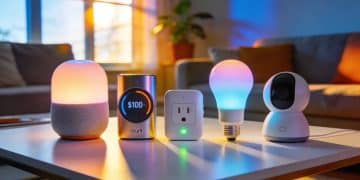
- IoT Vulnerabilities: The proliferation of Internet of Things (IoT) devices, from smart refrigerators to connected cars, expands the attack surface for cybercriminals. Many IoT devices historically lacked robust security features, making them easy entry points for hackers to access personal networks and data. While 2026 has seen improvements, vigilance is still key.
- Deepfakes and Identity Theft: Advanced AI technologies can now create highly convincing synthetic media, or deepfakes, which pose a significant threat to identity and reputation. The data collected from our devices can be used to train these models, making the implications for consumer tech privacy profound.
These threats underscore the critical importance of robust consumer tech privacy features and a heightened awareness among users. Without adequate protections, our digital lives are vulnerable, and our personal information can be compromised, leading to financial loss, reputational damage, and a chilling effect on free expression.
2026’s Cutting-Edge Privacy Features: What to Look For
Fortunately, the tech industry isn’t standing still. Driven by regulatory pressures, consumer demand, and competitive differentiation, companies are integrating more sophisticated privacy features into their products and services. Here’s what discerning consumers should expect and actively seek out in 2026:
Enhanced Data Minimization and On-Device Processing
A key trend in consumer tech privacy for 2026 is the principle of data minimization – collecting only the data absolutely necessary for a service to function. Furthermore, more processing is happening directly on the device, rather than in the cloud. This ‘edge computing’ approach reduces the need to transmit sensitive data externally, significantly lowering the risk of interception or breach. Look for devices that prominently advertise on-device AI and local data processing for features like voice assistants, facial recognition, and health monitoring.
Granular Privacy Controls and Dashboards
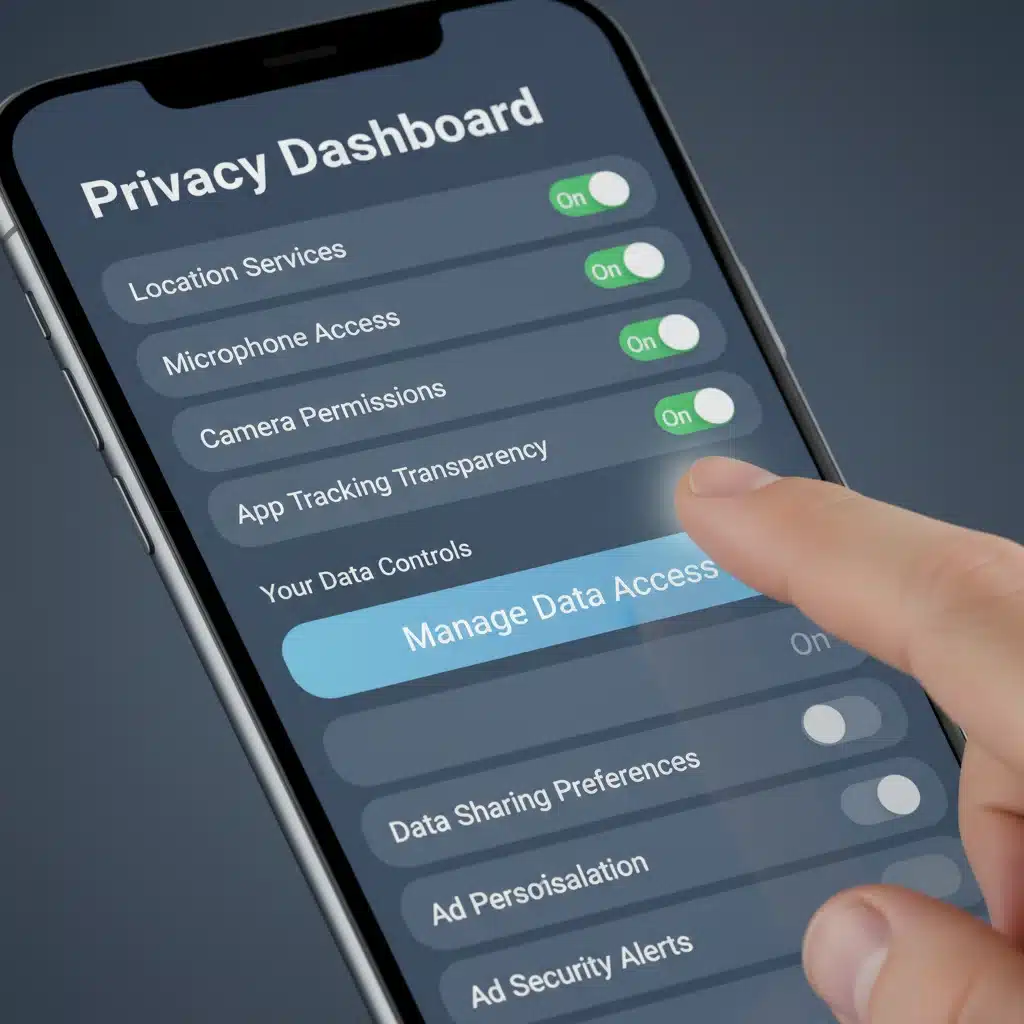
Gone are the days of vague ‘accept all cookies’ pop-ups. In 2026, leading tech platforms offer highly granular privacy controls, allowing users to precisely dictate what data is collected, how it’s used, and with whom it’s shared. These controls are often presented in intuitive privacy dashboards, providing a centralized hub for managing permissions. Think about specific toggles for microphone access, camera access, location data, and even specific types of app usage data. The ability to revoke access at any time, easily and without penalty, is a hallmark of strong consumer tech privacy.
Privacy-Preserving Machine Learning (PPML)
The integration of AI continues to accelerate, but so does the development of privacy-preserving machine learning techniques. Technologies like Federated Learning allow AI models to be trained on decentralized datasets – meaning your data stays on your device while contributing to a collective learning model. Differential Privacy adds statistical noise to datasets, making it difficult to identify individual users while still allowing for meaningful insights. These advancements are crucial for enjoying the benefits of AI without sacrificing consumer tech privacy.
End-to-End Encryption as Standard
While commonplace for messaging apps, end-to-end encryption (E2EE) is becoming a standard feature across a wider range of consumer tech. This means that data is encrypted from the moment it leaves your device until it reaches its intended recipient, and only the sender and receiver can decrypt it. Look for E2EE in cloud storage, smart home communications, and even certain IoT device data transmissions. It’s a fundamental building block for secure consumer tech privacy.
Transparent Data Usage Policies and Audits
Companies are under increasing pressure to be transparent about their data collection and usage practices. In 2026, expect to see more accessible and understandable privacy policies, often accompanied by plain-language summaries. Furthermore, independent third-party audits of privacy practices are becoming more common, providing an external layer of accountability and assurance for consumers.
Insider Knowledge: Navigating the Privacy Labyrinth in 2026
Beyond the features offered by tech companies, consumers themselves play a vital role in protecting their consumer tech privacy. Here’s some insider knowledge to empower you in 2026:
1. Embrace the Principle of Least Privilege
When installing new apps or setting up devices, always grant the minimum necessary permissions. Does a flashlight app really need access to your contacts or location? Probably not. Regularly review app permissions on your smartphone and other devices and revoke any unnecessary access. This simple habit significantly reduces your exposure.
2. Understand and Utilize Privacy Dashboards
Most major operating systems (iOS, Android, Windows, macOS) and many smart device ecosystems now offer dedicated privacy dashboards. Don’t just skim over them; dive in. These dashboards provide a comprehensive overview of what data is being collected, by which apps or services, and allow you to make informed decisions about your consumer tech privacy settings. Set aside time quarterly to review and adjust these settings.
3. Be Wary of ‘Free’ Services
If a product or service is free, you are often the product. This age-old adage remains true in 2026. Free apps, online tools, and even some smart devices often monetize through data collection and advertising. While not inherently bad, it’s crucial to be aware of the trade-off. If you value your privacy highly, consider paid alternatives that explicitly state a commitment to not monetizing your data.
4. Strong, Unique Passwords and Multi-Factor Authentication (MFA) are Non-Negotiable
This is foundational cybersecurity, but it bears repeating. A single compromised password can be the gateway to your entire digital life. Use a reputable password manager to create and store strong, unique passwords for every account. Enable multi-factor authentication (MFA) on all services that offer it. By 2026, biometric MFA (fingerprint, face ID) is widely available and highly recommended, adding a robust layer of protection to your consumer tech privacy.
5. Regularly Update Your Software and Firmware
Software updates aren’t just about new features; they often include critical security patches that address vulnerabilities. Procrastinating on updates leaves your devices exposed to known exploits. Enable automatic updates wherever possible for your operating systems, apps, and smart device firmware. This is a passive yet powerful way to bolster your consumer tech privacy.
6. Read (or Skim) Privacy Policies
While often lengthy and filled with legal jargon, try to at least skim the key sections of privacy policies, especially for services you use frequently or that handle sensitive data. Look for sections on data collection, data sharing with third parties, data retention, and your rights as a user. Tools exist that can summarize privacy policies, making them more digestible.
7. Consider Privacy-Focused Browsers and Search Engines
Mainstream browsers and search engines often track your online activity for advertising purposes. Explore privacy-focused alternatives that block trackers by default, don’t log your search history, and offer enhanced fingerprinting protection. This can significantly reduce your online data footprint and improve your consumer tech privacy.
8. Be Mindful of Smart Home Devices and IoT
The convenience of smart homes comes with potential privacy trade-offs. Secure your home network with a strong, unique Wi-Fi password. Place smart speakers and cameras strategically, being mindful of what they can hear or see. Regularly review the privacy settings of all your IoT devices and ensure their firmware is up to date. Consider segmenting your IoT devices onto a separate network if your router supports it, creating an additional layer of security for your core devices.
9. Understand Your Data Rights
Depending on your region, you likely have specific data rights, such as the right to access your data, the right to rectification, the right to erasure (‘right to be forgotten’), and the right to data portability. Familiarize yourself with regulations like GDPR (Europe), CCPA/CPRA (California), and similar laws emerging globally. Knowing your rights empowers you to make requests to companies regarding your data, a crucial aspect of consumer tech privacy in 2026.
10. Use a VPN (Virtual Private Network)
A VPN encrypts your internet connection and masks your IP address, making it much harder for third parties to track your online activities. While not a silver bullet, a reputable VPN adds a significant layer of privacy and security, especially when using public Wi-Fi networks. Choose a VPN provider with a strong no-logs policy and a good reputation for consumer tech privacy.

The Regulatory Landscape: A Global Push for Consumer Tech Privacy
The push for stronger consumer tech privacy is not solely driven by technological innovation or user demand; it’s also heavily influenced by a global surge in data protection regulations. By 2026, the General Data Protection Regulation (GDPR) in Europe continues to be a benchmark, inspiring similar legislative efforts worldwide. The California Privacy Rights Act (CPRA) in the United States, along with emerging laws in other states and countries, is creating a complex but increasingly privacy-focused legal environment.
These regulations typically grant individuals greater control over their personal data, impose strict obligations on companies regarding data handling, and carry significant penalties for non-compliance. Key aspects of these regulations impacting consumer tech privacy include:
- Consent Requirements: Stricter rules around obtaining explicit, informed consent for data collection and processing.
- Data Subject Rights: Empowering individuals with rights such as access, correction, deletion, and portability of their data.
- Privacy by Design: Mandating that privacy considerations be integrated into the design and architecture of new products and services from the outset.
- Data Protection Impact Assessments (DPIAs): Requiring companies to assess and mitigate privacy risks before deploying new technologies that involve personal data.
- Cross-Border Data Transfer Rules: Establishing safeguards for transferring personal data across international borders.
While the regulatory landscape can be fragmented, the overall trend is clear: a global movement towards enhancing consumer tech privacy. This provides a stronger legal foundation for individuals to demand greater control and transparency from tech companies.
The Future of Consumer Tech Privacy: Beyond 2026
Looking beyond 2026, the trajectory of consumer tech privacy will likely involve even more sophisticated solutions and challenges. We can anticipate:
- Self-Sovereign Identity (SSI): A decentralized approach where individuals have complete control over their digital identities and personal data, only sharing specific verifiable credentials as needed.
- Decentralized Data Storage: Moving away from centralized cloud providers to distributed ledger technologies (like blockchain) for storing personal data, potentially offering enhanced security and user control.
- Ethical AI Frameworks: The development and widespread adoption of robust ethical guidelines and regulatory frameworks for AI, specifically addressing privacy, bias, and accountability.
- Quantum-Resistant Cryptography: As quantum computing advances, current encryption methods may become vulnerable. Research and implementation of quantum-resistant cryptography will be crucial for long-term consumer tech privacy.
- Personal Data Wallets: Secure digital wallets that store and manage all your personal data, allowing you to selectively share only what’s necessary with apps and services, and revoke access instantly.
The future of consumer tech privacy is not just about protection; it’s about empowerment. It’s about giving individuals the tools and knowledge to actively manage their digital lives, rather than passively accepting the terms set by tech giants. The dialogue between innovation, regulation, and user responsibility will continue to shape this critical domain.
Conclusion: Taking Charge of Your Digital Footprint
In 2026, the notion of consumer tech privacy is no longer an abstract concept but a tangible necessity. The convenience and power of modern technology are undeniable, but they come with an inherent responsibility – both for the companies that build these technologies and for the individuals who use them. By understanding the evolving threats, leveraging the cutting-edge privacy features available, and adopting proactive habits, you can significantly enhance your digital security and maintain control over your personal information.
The journey towards complete digital autonomy is ongoing, but with awareness, diligence, and the right tools, you can navigate the complex landscape of consumer tech privacy in 2026 and beyond. Stay informed, stay vigilant, and remember that your data is a valuable asset worth protecting.