Metaverse Economy 2026: Top 3 Investment Sectors for Early U.S. Adopters

Anúncios
The Metaverse Economy in 2026: Identifying 3 Key Investment Sectors for Early Adopters in the U.S.
The metaverse, once a concept confined to science fiction, is rapidly evolving into a tangible digital frontier, promising to redefine how we interact, work, and conduct commerce. As we approach 2026, the foundational elements of this immersive digital universe are solidifying, presenting unparalleled opportunities for astute investors. For early adopters in the U.S., understanding where to allocate capital in this nascent yet rapidly expanding market is crucial. This comprehensive guide delves into the top three most promising metaverse investment sectors, offering insights into their potential and strategic considerations for maximizing returns.
Anúncios
Understanding the Metaverse: More Than Just Virtual Reality
Before diving into specific metaverse investment sectors, it’s essential to grasp the multifaceted nature of the metaverse. It’s not merely a virtual reality game or a social platform; it’s an interconnected network of persistent, real-time 3D virtual worlds that can be experienced synchronously by an unlimited number of users, each with an individual sense of presence. This digital continuum is underpinned by a confluence of technologies including blockchain, artificial intelligence, virtual reality (VR), augmented reality (AR), and sophisticated networking infrastructure. The economic implications are staggering, projecting a market size that could reach trillions of dollars in the coming decade.
For early adopters, the allure of the metaverse lies in its transformative potential across industries. From entertainment and education to retail and healthcare, every sector is poised for disruption. The U.S. market, with its robust technological infrastructure and strong venture capital ecosystem, is particularly fertile ground for cultivating and capitalizing on these opportunities. Identifying the right entry points now can position investors at the forefront of this digital revolution.
The core promise of the metaverse is the creation of a truly immersive and interactive digital experience that mirrors, and in some cases, enhances real-world interactions. This involves not just visual fidelity but also sophisticated haptic feedback, spatial audio, and seamless interoperability between different virtual environments. The development of open standards and protocols will be critical for the metaverse to achieve its full potential, allowing users and assets to move freely across various platforms without friction. This interoperability is a key factor that differentiates the metaverse from isolated virtual experiences, fostering a truly interconnected digital economy.
Moreover, the concept of digital ownership, facilitated by non-fungible tokens (NFTs) and blockchain technology, is central to the metaverse’s economic model. Users can own virtual land, digital art, unique avatars, and other in-game assets, creating a robust marketplace for digital goods and services. This shifts the paradigm from simple consumption to active participation and creation, empowering users to be both consumers and producers within the digital realm. The ability to monetize these digital assets and experiences is a significant driver of the metaverse’s economic growth, attracting entrepreneurs, creators, and investors alike.
Sector 1: Digital Infrastructure and Enabling Technologies
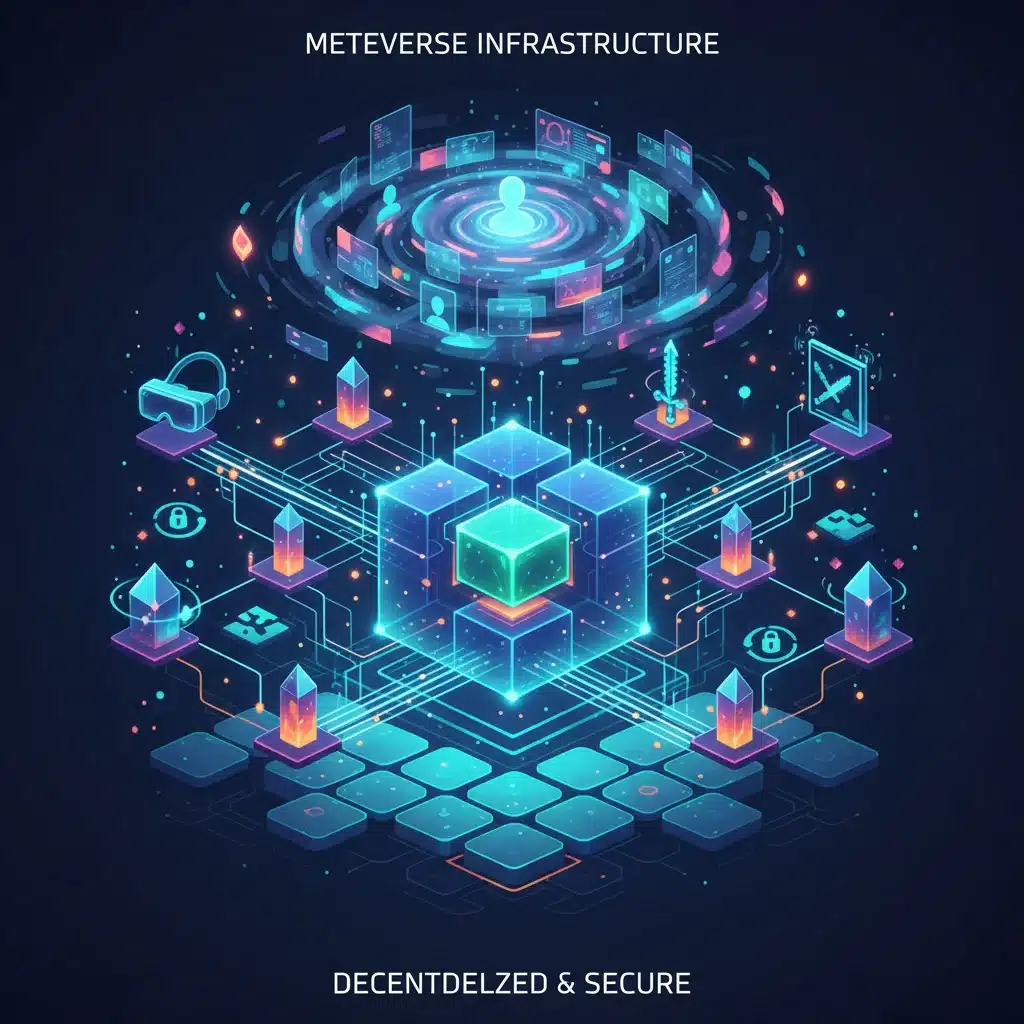
The bedrock of any thriving digital ecosystem is its infrastructure. In the metaverse, this translates to a complex array of hardware, software, and networking solutions that enable its existence. Investing in companies that are building these foundational technologies is arguably one of the safest and most strategic approaches for early adopters focusing on metaverse investment sectors.
Hardware Development: The Gateway to Immersion
The most immediate and visible aspect of metaverse infrastructure is hardware. This includes advanced VR headsets, AR glasses, haptic feedback devices, and powerful computing units. Companies pushing the boundaries of display technology, sensor integration, and ergonomic design for these devices are prime targets. As the metaverse matures, the demand for more comfortable, powerful, and affordable hardware will surge. Think about companies developing lighter VR headsets with wider fields of view, or AR glasses that seamlessly overlay digital information onto the real world without being intrusive. These innovations are crucial for mass adoption.
Beyond end-user devices, the underlying computing power required to render vast, persistent virtual worlds in real-time is immense. This points to investments in high-performance graphics processing units (GPUs), cloud computing infrastructure optimized for metaverse applications, and edge computing solutions that bring processing closer to the user, reducing latency – a critical factor for immersive experiences. The evolution of 5G and future 6G networks will also play a pivotal role, providing the necessary bandwidth and low latency for seamless metaverse interactions.
Software and Platform Development: The Metaverse OS
Just as operating systems power our computers and smartphones, robust software platforms are essential for the metaverse. This includes game engines like Unreal Engine and Unity, which are already being utilized to build intricate virtual worlds. Investing in the companies behind these engines, or those developing specialized tools for metaverse creation, content management, and interoperability, presents significant opportunities. These platforms will serve as the ‘operating system’ for the metaverse, enabling creators to build, deploy, and manage their digital experiences.
Furthermore, blockchain technology forms the backbone of digital ownership and secure transactions within the metaverse. Companies developing scalable blockchain solutions, decentralized identity management systems, and secure digital payment gateways are critical. The ability to verify ownership of digital assets (NFTs) and conduct secure, transparent transactions without intermediaries is fundamental to the metaverse’s economic model. This makes blockchain infrastructure providers a vital component of the metaverse investment sectors.
Artificial intelligence (AI) will also be integral, powering realistic non-player characters (NPCs), optimizing content generation, and personalizing user experiences. Companies specializing in AI for natural language processing, computer vision, and machine learning algorithms that can operate within 3D environments will be highly valuable.
The development of open standards for content creation, avatar interoperability, and data exchange will also drive the growth of the metaverse. Companies contributing to these standards or building tools that adhere to them will be essential facilitators of a truly interconnected digital universe. The more seamlessly users can move their digital identities and assets between different platforms, the more robust and attractive the metaverse becomes.
Networking and Connectivity: The Digital Highway
The metaverse demands unprecedented levels of connectivity. Ultra-low latency and high bandwidth are non-negotiable for a truly immersive experience. This highlights the importance of telecommunications companies investing heavily in 5G infrastructure, fiber optics, and future 6G research. Content delivery networks (CDNs) that can efficiently distribute vast amounts of digital data will also be crucial. These are the digital highways that will carry the metaverse to users globally.
Investing in companies that are laying down this digital infrastructure, whether it’s through physical network deployment or innovative software-defined networking solutions, provides a foundational entry point into the metaverse economy. The sheer scale of data transfer and real-time interaction envisioned for the metaverse necessitates a complete overhaul and significant expansion of current networking capabilities.
Sector 2: Virtual Real Estate and Digital Assets
Just as physical real estate has been a cornerstone of wealth creation, virtual real estate within the metaverse is emerging as a significant metaverse investment sector. Digital land, unique avatars, and other in-world assets are being bought, sold, and developed at an astonishing pace, mirroring the dynamics of the physical world.
Virtual Land Ownership: The New Frontier of Property
Platforms like Decentraland, The Sandbox, and Somnium Space allow users to purchase parcels of virtual land, often represented as NFTs on a blockchain. These digital plots can be developed, monetized, and traded. Early investors have already seen substantial returns, and while the market has matured, strategic opportunities still exist.
The value of virtual land is driven by several factors: location within popular metaverse platforms, utility (e.g., hosting events, digital storefronts), and scarcity. As more users and brands enter the metaverse, premium digital locations will likely appreciate. Investment strategies can range from simply holding land for appreciation to actively developing it with virtual experiences, advertising spaces, or rental properties.
Understanding the nuances of each metaverse platform is crucial. Some platforms might be better suited for gaming, others for social interactions, and still others for digital commerce. Diversifying across different platforms can mitigate risk and expose investors to various growth trajectories within the virtual real estate market. The potential for passive income through leasing virtual land or hosting events also adds an attractive dimension to this investment sector.
Digital Collectibles and NFTs: The Art and Utility of Ownership
Beyond land, the metaverse economy thrives on digital assets, predominantly in the form of NFTs. These can include unique avatar skins, virtual fashion, digital art, in-game items, and exclusive access tokens. NFTs provide verifiable proof of ownership for digital items, allowing for true scarcity and transferability.
Investing in NFTs requires a keen eye for nascent trends, artistic value, and potential utility. While some NFTs are purely speculative art pieces, others offer tangible benefits within metaverse environments, such as enhanced avatar abilities, access to exclusive events, or governance rights in decentralized autonomous organizations (DAOs). Brands are increasingly leveraging NFTs for loyalty programs, digital merchandise, and engaging with consumers in new ways.
For early adopters, identifying promising NFT projects, supporting emerging digital artists, or investing in platforms that facilitate NFT creation and trading can yield significant returns. The market is still highly volatile, but the long-term trend suggests that digital ownership will become an increasingly integral part of our digital lives, making NFTs a compelling part of the metaverse investment sectors.
The creation of marketplaces for these digital assets is also a significant area for investment. Platforms like OpenSea, Rarible, and other specialized marketplaces facilitate the buying and selling of NFTs, acting as critical intermediaries in the digital asset economy. Investing in these platforms or the underlying technologies that power them can provide exposure to the broader growth of digital asset ownership.
Metaverse Development and Design Services
As virtual real estate and digital assets become more prevalent, there’s a growing demand for services to develop and design them. This includes metaverse architects who build virtual structures, 3D artists who create digital objects and avatars, and developers who code interactive experiences. Companies specializing in these services are essentially the construction and creative agencies of the metaverse.
Investing in firms that offer these specialized development and design services provides exposure to the demand side of the metaverse economy without directly owning speculative assets. As more individuals and businesses seek to establish a presence in the metaverse, the need for expert builders and designers will only intensify, making this a robust and less volatile metaverse investment sector.
Sector 3: Immersive Experiences and Content Creation
The metaverse’s ultimate value proposition lies in the experiences it offers. From entertainment and social interaction to education and commerce, the creation of compelling content and immersive experiences will drive user adoption and engagement. This makes content creation and experience platforms a crucial metaverse investment sector for early adopters.
Gaming and Entertainment: The Metaverse’s First Wave
Gaming has long been the closest precursor to the metaverse, and it continues to be a dominant force. Investment opportunities exist in game studios developing metaverse-native titles, platforms that host these games, and technologies that enhance the gaming experience (e.g., cloud gaming, AI-driven NPCs). The shift from traditional gaming to ‘play-to-earn’ models, where players can earn cryptocurrency and NFTs through gameplay, is a significant trend.
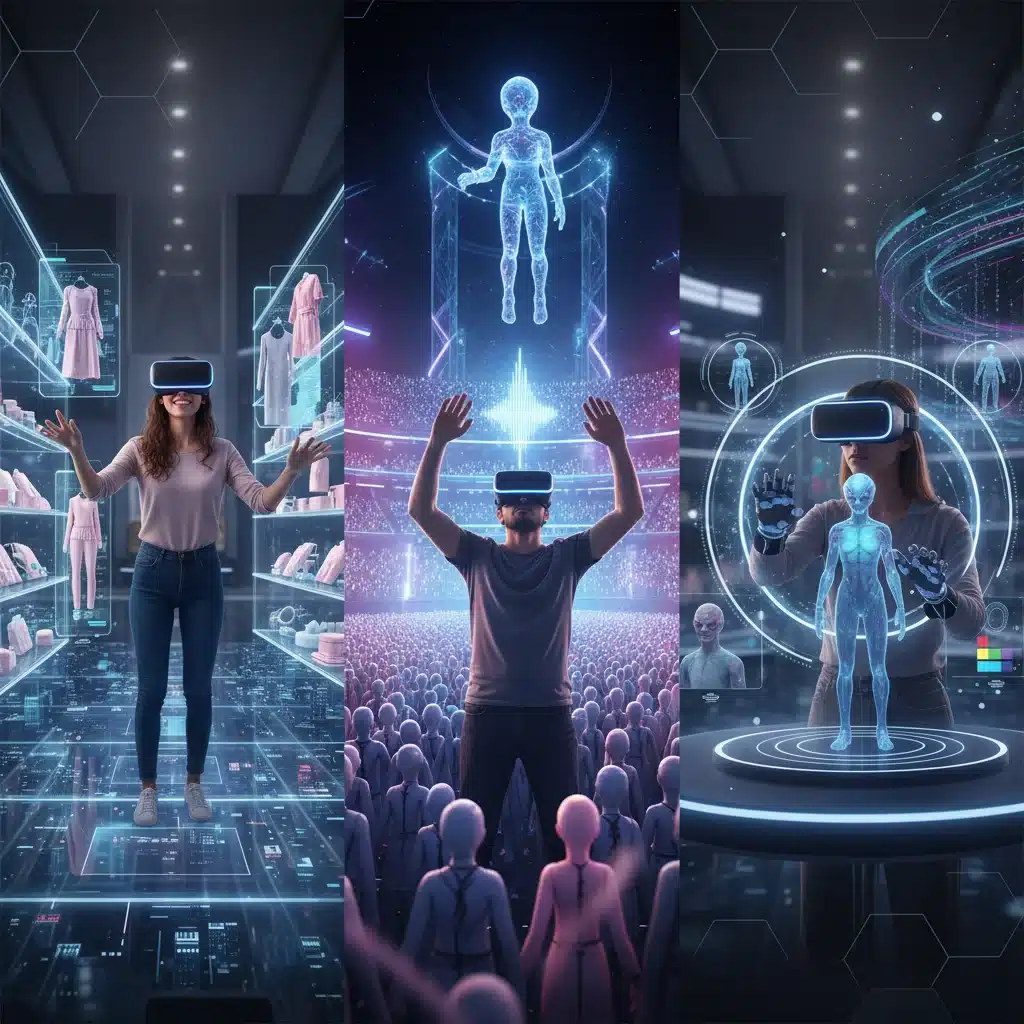
Beyond traditional gaming, the entertainment sector is exploring virtual concerts, digital fashion shows, and interactive storytelling within the metaverse. Companies creating these unique, live, and persistent experiences are at the forefront of shaping how we consume entertainment in the digital age. Imagine attending a concert by your favorite artist as a personalized avatar, interacting with other fans in a shared virtual space – these are the experiences driving engagement.
Investment in platforms that enable user-generated content (UGC) within these entertainment contexts is also vital. Empowering users to create their own games, experiences, and content democratizes the creative process and vastly expands the breadth of offerings within the metaverse. This fosters a vibrant ecosystem where creativity is rewarded and shared.
Social and Professional Platforms: Connecting in New Dimensions
The metaverse is fundamentally a social space. Platforms that facilitate meaningful social interactions, virtual meetings, and collaborative work environments are poised for significant growth. Think of next-generation social networks that move beyond flat screens into fully immersive 3D spaces, allowing for more natural and engaging interactions.
For professional use, virtual offices, training simulations, and remote collaboration tools within the metaverse offer revolutionary potential. Companies developing enterprise-grade metaverse solutions that enhance productivity, facilitate global teamwork, and reduce travel costs are tapping into a massive market. The ability to conduct complex simulations or engage in immersive training modules without physical constraints opens up new paradigms for education and workforce development.
The development of avatar systems and identity management within these social and professional platforms is also a critical area. Users will want customizable, persistent digital identities that can move seamlessly across different metaverse environments. Companies providing these solutions are building the foundational elements of digital self-expression and interaction.
Retail and E-commerce in the Metaverse: The Digital Storefront
The metaverse is transforming retail by allowing brands to create immersive digital storefronts, host virtual product launches, and offer unique shopping experiences. Consumers can try on virtual clothing, inspect 3D models of products, and interact with sales assistants in a digital environment before making a purchase. This enhances the online shopping experience, bridging the gap between physical and digital retail.
Investing in companies that are building these metaverse retail solutions, developing virtual product lines, or creating platforms for digital commerce is a strong play. The integration of NFTs for unique product authentication, limited-edition digital goods, and loyalty programs will further blur the lines between physical and digital consumption. The potential for brands to engage with their customers in novel, immersive ways is immense, making this a high-growth metaverse investment sector.
Furthermore, the infrastructure for secure digital payments and decentralized finance (DeFi) within the metaverse will support this burgeoning retail ecosystem. Companies developing interoperable payment solutions that accept various cryptocurrencies and traditional payment methods are essential for facilitating seamless commerce.
Strategic Considerations for Early U.S. Adopters
While the opportunities in these metaverse investment sectors are vast, early adopters must approach this new frontier with a strategic mindset. The metaverse is still in its nascent stages, and as such, it carries inherent risks alongside its immense potential.
Diversification is Key
Given the speculative nature of many metaverse assets and companies, diversification across different sectors and types of investments is crucial. Rather than putting all capital into one virtual land plot or a single NFT project, consider spreading investments across infrastructure providers, promising content creators, and diversified digital asset portfolios. This approach can help mitigate risks associated with the volatility of a rapidly evolving market.
Long-Term Vision vs. Short-Term Speculation
While short-term gains are possible, a long-term investment horizon is generally more prudent for the metaverse. The fundamental technologies and user behaviors are still being established. Investors who focus on companies and projects with strong underlying technology, clear utility, and a sustainable business model are more likely to see significant returns as the metaverse matures.
Staying Informed and Adapting
The metaverse landscape is dynamic. New technologies, platforms, and trends emerge constantly. Early adopters must commit to continuous learning, staying abreast of industry developments, and being prepared to adapt their strategies as the market evolves. Following thought leaders, engaging with metaverse communities, and researching emerging projects are all vital for informed decision-making.
Regulatory Landscape
The regulatory environment for the metaverse, digital assets, and blockchain technology is still developing. Potential regulations regarding digital ownership, data privacy, taxation of virtual assets, and intellectual property rights could impact investment values. Early adopters should be aware of these evolving legal frameworks and consider their potential implications.
Security and Risk Management
As with any digital frontier, security is paramount. Investors must be diligent in protecting their digital assets, using strong passwords, multi-factor authentication, and secure wallets. Awareness of scams, phishing attempts, and vulnerabilities in smart contracts is essential for safeguarding investments in the metaverse.