Neuralink’s 2030 Impact: Practical Solutions for Early Adopters in the U.S.
The dawn of brain-computer interfaces (BCIs) is no longer confined to the realm of science fiction. Companies like Neuralink are rapidly advancing neurotechnology, promising a future where our thoughts can directly interact with digital devices and even enhance human capabilities. As we gaze towards 2030, the question isn’t whether Neuralink will exist, but how its integration will practically reshape daily life, particularly for early adopters in the United States. This article delves into the tangible applications, challenges, and transformative potential of Neuralink daily life by the end of this decade, offering a roadmap for those ready to embrace this revolutionary technology.
Anúncios
The Vision of Neuralink: Beyond Medical Treatment
While Neuralink’s initial and most critical applications focus on restoring function for individuals with severe neurological conditions – such as paralysis, blindness, and deafness – its long-term vision extends far beyond therapeutic uses. By 2030, we can anticipate a dual-track development: continued refinement of medical interventions and the nascent emergence of consumer-grade enhancements. For early adopters in the U.S., understanding this distinction is key to anticipating its impact on Neuralink daily life.
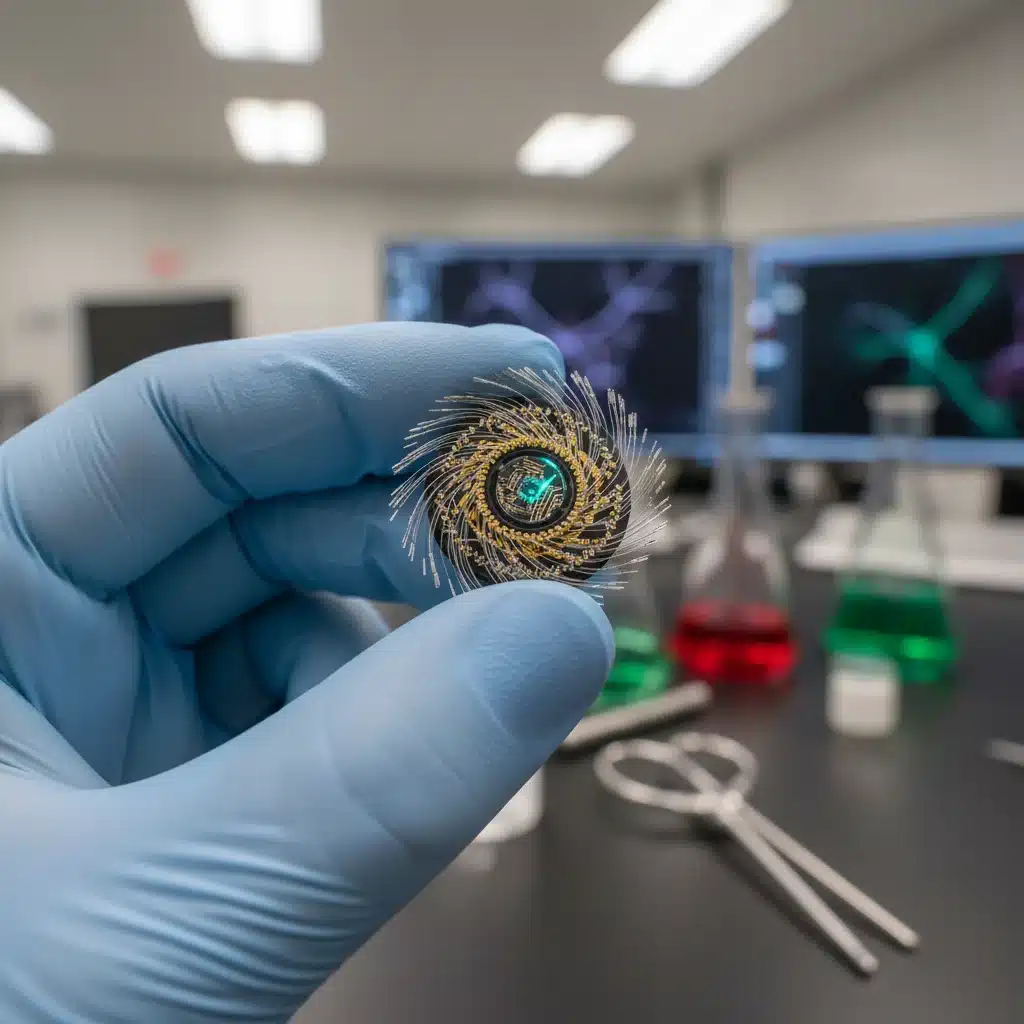
The core technology involves implanting a minuscule chip, approximately the size of a coin, directly into the brain. This chip, connected by thousands of microscopic threads, can read neural activity and transmit it wirelessly to external devices. Conversely, it can also stimulate specific brain regions, offering bidirectional communication. This capability opens up an unprecedented frontier for human interaction with technology and with each other.
Practical Applications for Early Adopters by 2030
1. Restoring Communication and Mobility for the Disabled
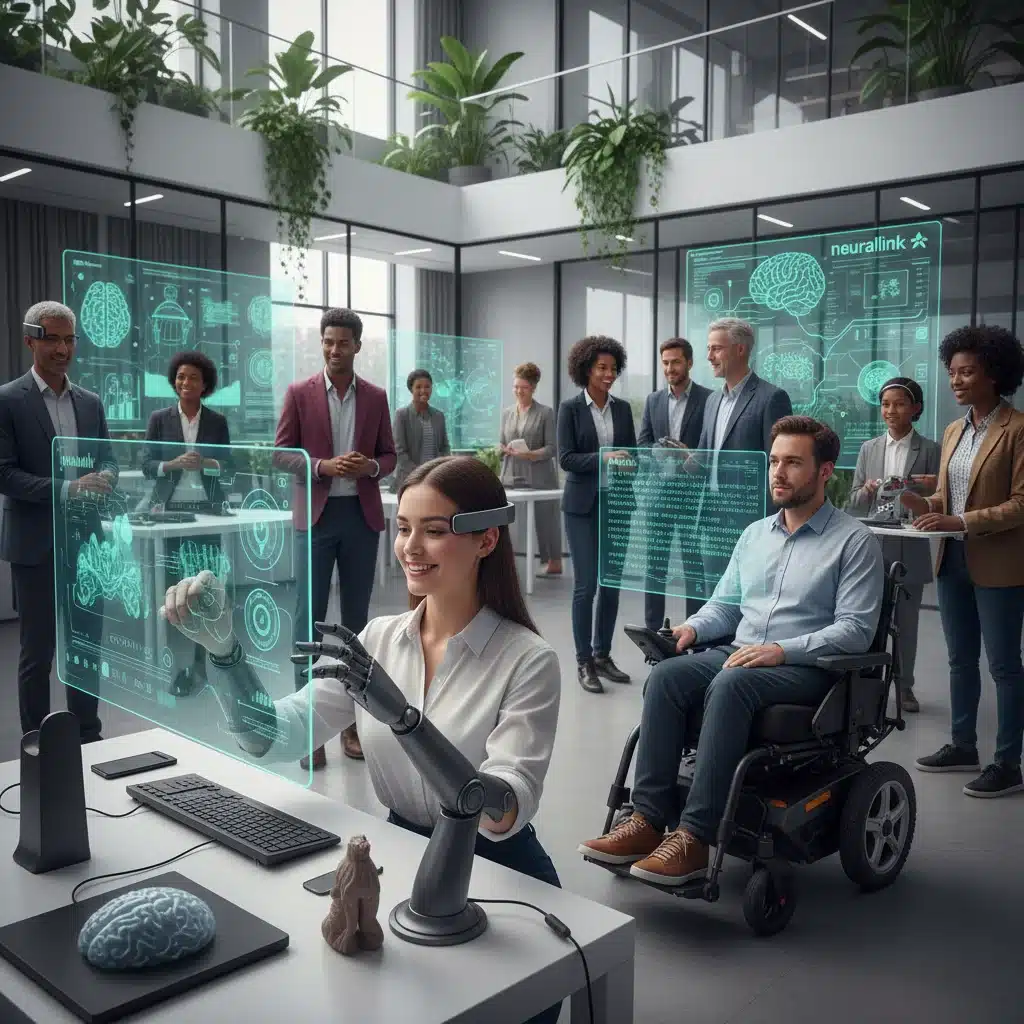
For individuals with severe motor neuron diseases like ALS or spinal cord injuries, Neuralink offers a lifeline. By 2030, early adopters in the U.S. with these conditions could realistically expect to regain significant autonomy. Imagine a person with locked-in syndrome effortlessly typing emails, browsing the internet, or controlling a robotic arm simply by thinking. This isn’t just about functionality; it’s about restoring dignity and connection to the world. The ability to articulate thoughts directly, bypassing traditional communication barriers, will profoundly impact their Neuralink daily life.
- Direct Digital Control: Operating computers, smartphones, and smart home devices with pure thought.
- Prosthetic Control: Intuitive and precise control over advanced robotic prosthetics, making them feel like natural extensions of the body.
- Speech Synthesis: Translating intended thoughts into synthesized speech, enabling verbal communication for those who cannot speak.
2. Enhanced Sensory Perception and Cognitive Function
Beyond restoration, Neuralink holds the promise of augmentation. While full-scale cognitive enhancement for the general population might be further off, early adopters by 2030 could experience initial forms of sensory or cognitive improvements. For instance, individuals with hearing loss might have their auditory cortex directly stimulated, restoring or even enhancing their hearing beyond natural human limits. Similarly, early interventions for early-stage neurodegenerative diseases could leverage Neuralink to monitor and potentially mitigate cognitive decline, improving the quality of their Neuralink daily life.
The ethical implications here are profound, but the practical benefits for those struggling with sensory deficits or early cognitive impairments are undeniable. This could include:
- Visual Augmentation: For individuals with certain types of blindness, direct retinal or visual cortex stimulation to restore rudimentary sight or even overlay digital information onto their perception.
- Memory Assistance: Though highly speculative, early research might explore interfaces that assist with memory recall or focus, particularly for individuals with mild cognitive impairment.
3. Revolutionizing Mental Health Treatment
The brain is the seat of our emotions and mental well-being. By 2030, Neuralink could offer targeted, precise interventions for severe, treatment-resistant mental health conditions. Deep Brain Stimulation (DBS) is already used for conditions like Parkinson’s; Neuralink could refine this significantly. For early adopters suffering from severe depression, anxiety, or PTSD, a Neuralink device could monitor neural patterns associated with these states and deliver micro-stimulations to rebalance brain activity. This personalized, on-demand therapy could drastically improve their Neuralink daily life.
The precision offered by Neuralink’s thousands of electrodes, compared to traditional DBS’s handful, allows for far more nuanced and effective treatment. This could lead to:
- Personalized Neuromodulation: Real-time monitoring and adjustment of brain activity to alleviate symptoms of severe mood disorders.
- Pain Management: Chronic pain, often rooted in neurological pathways, could be managed through targeted neural interventions, offering relief where traditional methods fail.
4. Seamless Digital Interaction and Productivity
While the primary focus remains medical, the spillover into general productivity and digital interaction for early adopters is inevitable. Imagine controlling your computer, smartphone, or even a drone with nothing but your thoughts. This level of hands-free, voice-free interaction could redefine productivity for certain professions. Surgeons could manipulate instruments with greater precision, architects could design in 3D space with unprecedented fluidity, and artists could create digital masterpieces directly from their minds. This would streamline many aspects of their Neuralink daily life.
- Telepresence and VR/AR: More immersive and intuitive control over virtual reality and augmented reality environments, making digital interaction indistinguishable from physical.
- Hands-Free Computing: For professionals requiring constant data interaction without hands (e.g., pilots, surgeons), this could be a game-changer.
The Journey to Adoption: Challenges and Considerations for Early Adopters in the U.S.
The path to widespread Neuralink adoption, even among early adopters, is fraught with challenges. Understanding these is crucial for anyone considering this technology by 2030.
1. Safety and Ethics
The most immediate concern is safety. Brain surgery, even minimally invasive, carries risks. Long-term effects of implants, potential for infection, and the body’s reaction to foreign objects are paramount considerations. Regulatory bodies like the FDA in the U.S. will play a critical role in ensuring these devices are safe and effective. Early adopters will be at the forefront of this safety evaluation.
Ethical dilemmas also abound. Questions of data privacy (what happens to your thoughts?), potential for misuse, and the concept of ‘human enhancement’ versus ‘human therapy’ will dominate public discourse. Neuralink and regulators must establish robust ethical frameworks to guide its development and deployment, especially as it impacts Neuralink daily life.
2. Accessibility and Cost
Initially, Neuralink will be incredibly expensive, likely limiting access to those with significant financial resources or comprehensive insurance coverage for approved medical indications. For early adopters in the U.S., the cost will be a major barrier. As with any cutting-edge medical technology, prices are expected to decrease over time, but by 2030, it will likely remain a premium solution. Equitable access will be a significant societal challenge.
3. Public Perception and Acceptance
The idea of a brain implant evokes strong reactions, ranging from awe to fear. Public education and transparent communication from Neuralink will be vital in fostering acceptance. Early adopters, by their very nature, will be ambassadors for this technology, shaping public perception through their experiences. Overcoming skepticism and fear will be crucial for its integration into Neuralink daily life.
4. Technological Refinement and Durability
While the technology is advanced, it’s still in its early stages. The longevity of the implant, the ease of software updates, and the potential for technological obsolescence are all factors. Early adopters will essentially be participating in the ongoing refinement of the technology, providing invaluable feedback for future iterations.
The Role of Early Adopters in Shaping Neuralink’s Future
Early adopters are not just consumers; they are pioneers. Their willingness to embrace new technology, coupled with their feedback, will be instrumental in shaping the trajectory of Neuralink. In the U.S., this group often comprises:
- Patients with Critical Needs: Those for whom existing treatments are insufficient or non-existent, offering a high quality of life improvement.
- Tech Enthusiasts: Individuals deeply interested in cutting-edge technology and willing to take calculated risks for its benefits.
- Researchers and Innovators: Those who directly contribute to the development and understanding of the technology.
Their experiences will provide real-world data, highlight unforeseen challenges, and inspire further innovation. Their stories will humanize the technology, moving it from abstract concept to tangible reality, thereby influencing broader societal acceptance and regulatory frameworks for Neuralink daily life.
Looking Beyond 2030: The Long-Term Vision
While our focus is on 2030, it’s important to acknowledge that this is just the beginning. Should Neuralink prove safe and effective for its initial medical applications, the horizon expands dramatically. The long-term vision includes:
- Universal Cognitive Augmentation: Enhancing memory, learning speed, and problem-solving abilities for everyone.
- Telepathic Communication: Direct brain-to-brain communication, eliminating language barriers and fostering unprecedented understanding.
- Brain-Machine Symbiosis: A future where human intellect and artificial intelligence merge, creating new forms of consciousness and problem-solving.
These are ambitious goals, and their realization depends heavily on the success and ethical navigation of the initial phases. The practical solutions emerging by 2030 for early adopters in the U.S. will lay the groundwork for these more futuristic possibilities, fundamentally altering the fabric of Neuralink daily life.
Conclusion: Embracing the Neuro-Revolution
By 2030, Neuralink is poised to transition from a theoretical marvel to a practical reality for a select group of early adopters in the U.S. Its initial impact will be most profoundly felt in the medical field, offering unprecedented solutions for individuals grappling with severe neurological conditions and disabilities. Beyond therapy, nascent applications in sensory enhancement and seamless digital interaction will begin to emerge, hinting at a future where human capabilities are augmented by technology.
However, this transformative journey is not without its hurdles. Ethical considerations, safety protocols, accessibility, and public acceptance will all play crucial roles in determining its trajectory. Early adopters will be the torchbearers, their experiences and insights invaluable in refining the technology and shaping its societal integration. As we move closer to 2030, understanding the practical implications of Neuralink daily life is not just about anticipating technological advancements; it’s about preparing for a future where the line between human and machine becomes increasingly blurred, opening up new frontiers of human potential and experience.
The neuro-revolution is coming, and by 2030, it will begin to redefine what it means to live, interact, and thrive in the digital age.