Smart Cities 2.0: IoT & Data Analytics for Urban Living in the U.S. by 2029
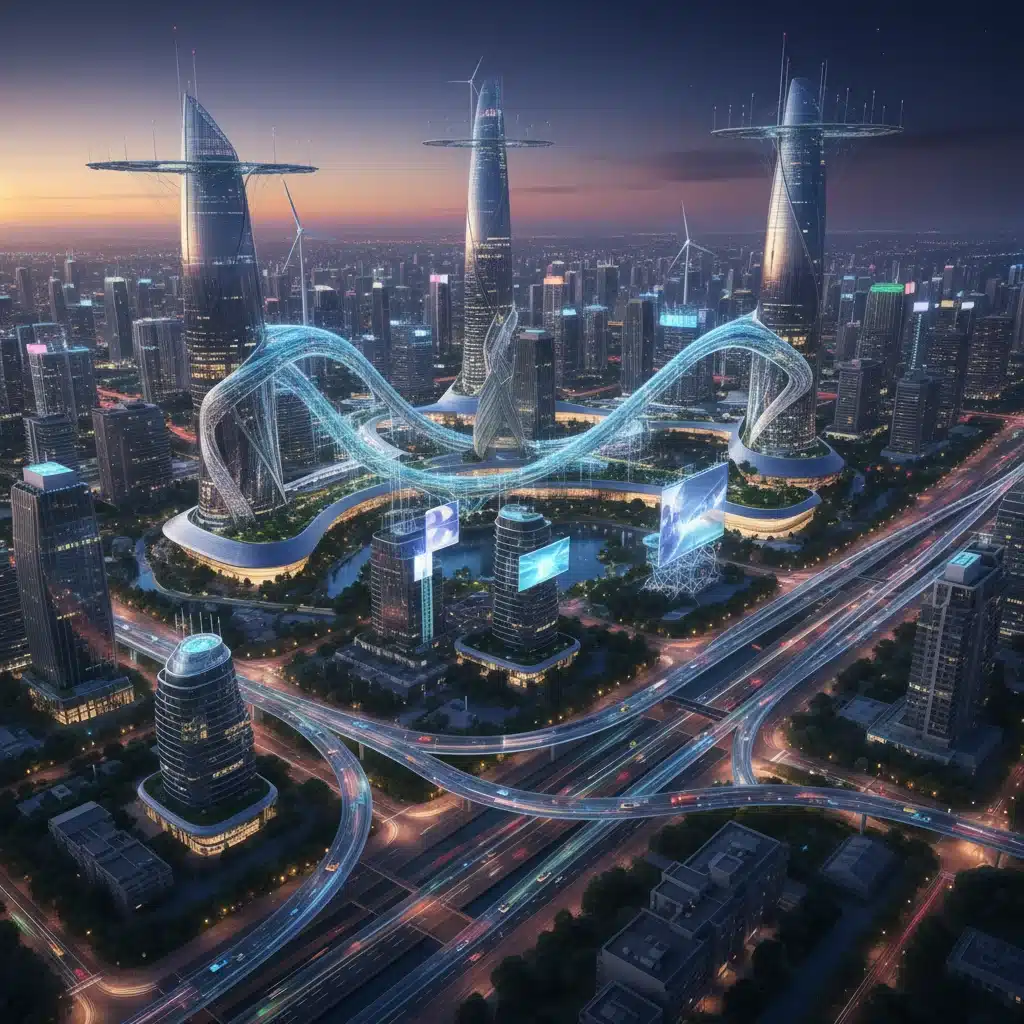
The concept of a ‘Smart City’ has evolved significantly over the past decade, moving from a futuristic vision to a tangible reality. As we approach 2029, the United States stands on the cusp of a profound urban transformation, ushering in what many are calling ‘Smart Cities 2.0’. This new era is characterized by an unprecedented integration of the Internet of Things (IoT) and advanced data analytics, promising to redefine urban living, enhance efficiency, and dramatically improve the quality of life for millions. The ambitious goal? A projected 25% reduction in urban traffic congestion, alongside a myriad of other benefits.
At its core, Smart Cities 2.0 is about creating urban environments that are more responsive, resilient, and sustainable. This isn’t merely about deploying more technology; it’s about leveraging interconnected systems to gather, analyze, and act upon vast quantities of data in real-time. The synergy between IoT devices, which collect raw data from the physical world, and sophisticated data analytics platforms, which derive actionable insights from this data, forms the bedrock of this urban revolution. The impact will be felt across every facet of city life, from transportation and public safety to environmental management and civic engagement.
The Foundation of Smart Cities 2.0: IoT and Data Analytics
The journey to Smart Cities 2.0 is intrinsically linked to the proliferation and sophistication of IoT devices. These devices, ranging from smart sensors embedded in roads and buildings to connected vehicles and public utility meters, act as the sensory nervous system of the city. They continuously monitor and transmit data on everything from traffic flow and parking availability to air quality, waste levels, and even pedestrian movement. The sheer volume and velocity of this data are staggering, necessitating advanced analytical capabilities to make sense of it all.
Data analytics, in this context, is the brain of the Smart City. It processes the raw data collected by IoT devices, identifies patterns, predicts future trends, and provides insights that enable city officials to make informed decisions. Machine learning algorithms, artificial intelligence, and predictive modeling are all crucial components of this analytical engine. For instance, by analyzing historical and real-time traffic data, city systems can predict congestion hotspots before they occur, allowing for proactive adjustments to traffic light timings or rerouting suggestions. This predictive power is a game-changer, moving cities from reactive problem-solving to proactive management.
The integration of these two powerful forces – IoT for data collection and data analytics for insight generation – creates a feedback loop that constantly optimizes urban operations. This continuous improvement cycle is what differentiates Smart Cities 2.0 from earlier iterations, which often relied on siloed technologies and reactive measures. The ultimate aim is to create a living, breathing urban organism that can adapt and evolve to meet the dynamic needs of its inhabitants.
Revolutionizing Urban Mobility: A 25% Traffic Reduction Goal
One of the most pressing challenges facing U.S. cities today is traffic congestion. The economic and environmental costs of gridlock are enormous, impacting productivity, increasing pollution, and diminishing the quality of life for commuters. Smart Cities 2.0, with its focus on IoT and data analytics, offers a comprehensive solution, with a bold target of reducing urban traffic by 25% by 2029.
This ambitious goal will be achieved through a multi-pronged approach. Firstly, intelligent transportation systems (ITS) will become ubiquitous. IoT sensors embedded in roadways will monitor vehicle speeds, density, and flow in real-time. This data will feed into central analytical platforms that can dynamically adjust traffic signals, optimize lane usage, and provide real-time navigation updates to drivers. Imagine a world where traffic lights aren’t just on a fixed timer but respond instantly to current road conditions, minimizing wait times and maximizing flow.
Secondly, the rise of connected and autonomous vehicles (CAVs) will play a pivotal role. As more vehicles become equipped with IoT capabilities, they will be able to communicate with each other and with urban infrastructure, sharing data on speed, location, and potential hazards. This V2V (vehicle-to-vehicle) and V2I (vehicle-to-infrastructure) communication will enable smoother traffic flow, reduce accidents, and allow for more efficient platooning, further easing congestion. Data analytics will be crucial in managing these complex networks, ensuring seamless communication and coordination.
Thirdly, smart parking solutions will alleviate one of the major contributors to urban traffic: drivers circling for parking spots. IoT sensors in parking garages and on-street spaces will provide real-time availability data, directing drivers to open spots via mobile apps and digital signage. This not only reduces cruising time but also optimizes parking revenue for cities. Furthermore, ride-sharing and micro-mobility services (e.g., e-scooters, bike-sharing) will be seamlessly integrated into the urban transportation ecosystem, with data analytics optimizing their deployment and availability based on demand.
Enhancing Public Safety and Emergency Response
Beyond traffic management, Smart City IoT and data analytics will profoundly impact public safety and emergency response. Connected cameras, environmental sensors, and even smart streetlights can provide real-time situational awareness to law enforcement and first responders. For example, IoT-enabled surveillance systems can use AI to detect unusual activity or potential threats, alerting authorities instantly. Environmental sensors can monitor air quality for hazardous substances or detect early signs of fires.
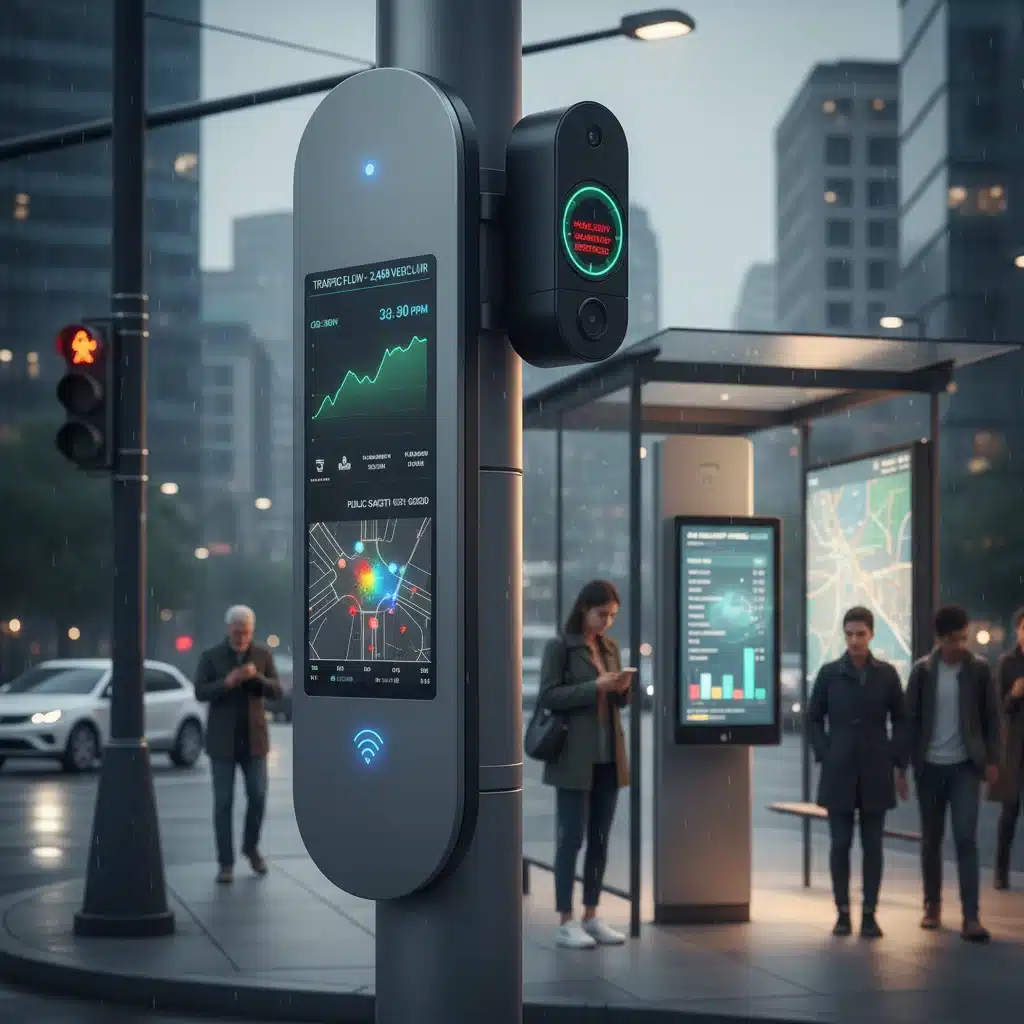
In emergency situations, data analytics can optimize response routes for ambulances and fire trucks, using real-time traffic data to avoid congested areas and reach incidents faster. Predictive analytics can also be used to identify crime hotspots or areas prone to accidents, allowing for proactive policing and resource allocation. This proactive approach not only enhances public safety but also builds trust between citizens and city services by demonstrating efficiency and responsiveness.
Sustainable Urban Living: Environmental Impact
The environmental benefits of Smart Cities 2.0 are equally compelling. IoT devices and data analytics are instrumental in fostering more sustainable urban environments, aligning with global efforts to combat climate change and reduce ecological footprints. Smart grids, intelligent waste management, and optimized resource consumption are just a few examples.
Smart energy grids, powered by IoT sensors, monitor energy consumption and production in real-time. This allows for dynamic load balancing, integration of renewable energy sources, and identification of inefficiencies. Homes and businesses equipped with smart meters can better manage their energy use, leading to significant reductions in overall consumption. Data analytics can predict peak demand periods, allowing utilities to adjust supply proactively and prevent outages.
Intelligent waste management systems use IoT sensors in bins to monitor fill levels, optimizing collection routes and schedules. This reduces fuel consumption for waste trucks, lowers operational costs, and minimizes unsightly overflowing bins. Similarly, smart water management systems can detect leaks in real-time, preventing water waste and ensuring efficient distribution. These seemingly small changes, when scaled across an entire city, lead to substantial environmental improvements.
Improving Public Health and Well-being
The impact of Smart Cities 2.0 extends to public health and overall well-being. Air quality sensors, for instance, can monitor pollutants in real-time, providing citizens with localized information and enabling city officials to implement targeted interventions during periods of poor air quality. Noise sensors can identify areas with excessive noise pollution, informing urban planning decisions to create quieter, more livable neighborhoods.
Beyond environmental factors, Smart City IoT can facilitate better access to public services. For example, smart kiosks can provide information on local health clinics, public transportation, and community events. Data analytics can help identify underserved populations or areas with specific health needs, allowing for more equitable distribution of resources and services. This holistic approach to urban planning recognizes that a healthy city is one that supports the physical, mental, and social well-being of its residents.
The Role of Data Governance and Privacy in Smart Cities 2.0
As cities become increasingly data-driven, the issues of data governance, privacy, and cybersecurity become paramount. The collection and analysis of vast amounts of personal and public data raise legitimate concerns about how this information is used, stored, and protected. For Smart Cities 2.0 to succeed, robust frameworks for data governance and privacy are essential.
Cities must implement clear policies regarding data ownership, access, and usage. Transparency is key; citizens need to understand what data is being collected, why it’s being collected, and how it benefits them. Anonymization and aggregation techniques can help protect individual privacy while still allowing for valuable insights to be derived from the data. Furthermore, strong cybersecurity measures are critical to protect against data breaches and cyberattacks that could compromise urban infrastructure and sensitive information.
Engaging citizens in the design and implementation of Smart City initiatives is also crucial. Public trust is a non-negotiable prerequisite for the successful adoption of these technologies. Through public forums, pilot programs, and transparent communication, cities can foster a sense of ownership and collaboration, ensuring that Smart City solutions truly serve the needs and values of their communities.
Economic Opportunities and Innovation Hubs
The development and deployment of Smart City IoT technologies also present significant economic opportunities. Cities that embrace this transformation can become innovation hubs, attracting technology companies, startups, and skilled talent. This creates new jobs, stimulates economic growth, and fosters a vibrant ecosystem of research and development.
Investment in Smart City infrastructure, from fiber optic networks to advanced sensor deployment, creates demand for a wide range of industries. Furthermore, the data generated by Smart Cities can fuel new services and applications, leading to further innovation. For instance, developers can leverage open city data platforms to create apps that help citizens navigate public transport, find local events, or report maintenance issues. This symbiotic relationship between technology, economy, and urban development is a hallmark of Smart Cities 2.0.
Challenges and the Path Forward
While the vision for Smart Cities 2.0 is compelling, its realization is not without challenges. The sheer complexity of integrating disparate systems, the significant upfront investment required, and the need for skilled personnel to manage these advanced technologies are formidable hurdles. Additionally, ensuring interoperability between different vendor solutions and avoiding vendor lock-in will be critical for long-term sustainability.

However, the benefits far outweigh these challenges. Federal and state governments are increasingly recognizing the potential of Smart Cities, offering grants and funding initiatives to support urban innovation. Public-private partnerships are also emerging as a powerful model for financing and implementing large-scale Smart City projects, leveraging the expertise and resources of both sectors.
The path forward involves a collaborative effort. City planners, technologists, policymakers, businesses, and citizens must work together to define a shared vision for their Smart City. Pilot projects and incremental deployments can help cities learn, adapt, and scale their initiatives effectively. Education and workforce development programs are also essential to ensure that cities have the talent pool necessary to manage and maintain these advanced systems.
The Future is Connected: Beyond 2029
Looking beyond 2029, the evolution of Smart Cities 2.0 will continue. We can anticipate even greater integration of AI and machine learning, leading to more autonomous urban systems. The metaverse and digital twins of cities could become tools for urban planning and simulation, allowing for virtual testing of new initiatives before physical deployment. Quantum computing might even play a role in processing the increasingly massive datasets generated by hyper-connected cities.
The goal remains constant: to create urban environments that are not only efficient and sustainable but also truly livable and equitable for all residents. Smart City IoT and data analytics are not just technological trends; they are fundamental drivers of a new urban paradigm, one where technology serves humanity to build better, more resilient, and more enjoyable places to call home.
The transformation of U.S. cities into Smart Cities 2.0 by 2029, with a specific focus on achieving a 25% traffic reduction, represents a monumental undertaking with far-reaching implications. By strategically leveraging the power of IoT for pervasive data collection and advanced data analytics for intelligent decision-making, cities can unlock unprecedented levels of efficiency, sustainability, and quality of life. This journey requires foresight, collaboration, and a commitment to innovation, but the rewards—a future of smarter, greener, and more vibrant urban living—are immeasurable.