Future-Proof Your Entertainment: Top 5 Tech Upgrades for Immersive Viewing in 2026
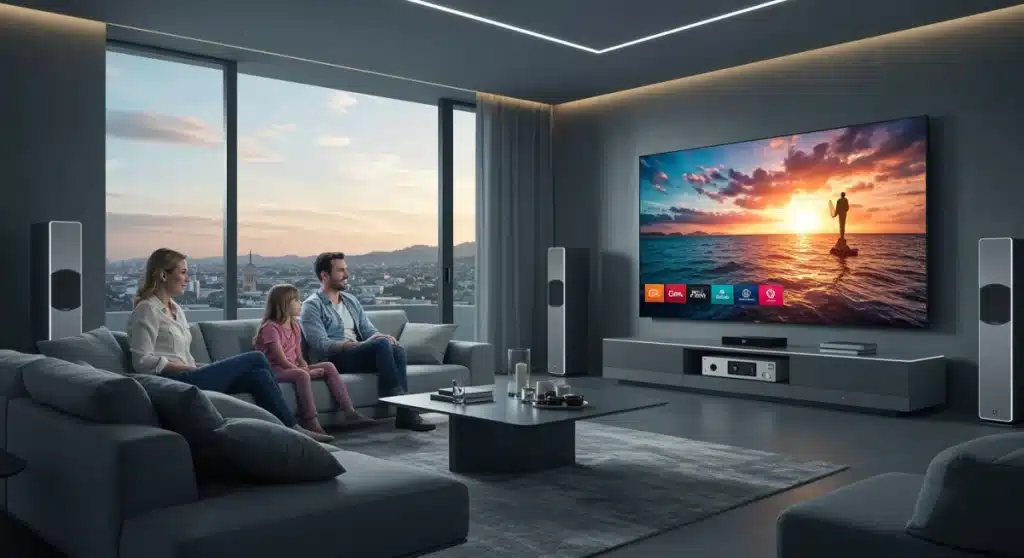
Anúncios
Future-Proof Your Entertainment: Top 5 Tech Upgrades for Immersive Viewing in 2026
The landscape of home entertainment is constantly evolving, and with each passing year, the line between reality and digital immersion blurs further. As we hurtle towards 2026, the demand for more captivating, realistic, and truly immersive viewing experiences is at an all-time high. But how do you navigate the dizzying array of new technologies and ensure your home setup isn’t just cutting-edge today, but also future-proof for tomorrow? This comprehensive guide will walk you through the top 5 consumer tech upgrades designed to elevate your immersive viewing experiences, help you save on subscription costs, and ensure your entertainment system remains a source of awe for years to come.
Anúncios
In an era where content is king, and access to that content is more diverse than ever, simply having a big screen isn’t enough. Viewers crave depth, clarity, spatial audio, and interactive elements that transport them directly into the heart of the action. Whether you’re a cinephile, a gaming enthusiast, or simply someone who appreciates high-quality visual and audio fidelity, investing in the right technology can transform your living room into a personal cinema, a virtual reality playground, or a concert hall. Let’s dive into the essential upgrades that promise to redefine your entertainment in 2026 and beyond.
1. The Rise of 8K Ultra HD Displays: Unparalleled Visual Fidelity
When discussing immersive viewing upgrades, the display is undoubtedly the cornerstone. While 4K has become the standard, 8K Ultra HD is rapidly emerging as the next frontier, promising an unparalleled level of visual fidelity that truly needs to be seen to be believed. By 2026, 8K technology will be more accessible and the content ecosystem will be significantly richer, making it a pivotal upgrade for serious enthusiasts.
Why 8K? More Than Just Pixels
An 8K display boasts four times the pixels of a 4K screen and 16 times that of a Full HD screen. This translates to an incredible level of detail, sharpness, and depth that makes images appear almost three-dimensional, even without specialized glasses. When viewed from an appropriate distance, the pixel structure virtually disappears, creating a window into another world rather than a mere screen.
- Enhanced Realism: With 33 million pixels, 8K TVs render textures, fine lines, and subtle nuances with breathtaking accuracy. This is particularly noticeable in nature documentaries, high-budget cinematic productions, and even upscaled 4K content, where advanced AI processing works wonders to fill in the gaps.
- Improved Depth Perception: The sheer density of pixels contributes to a greater sense of depth, making scenes feel more expansive and lifelike. This enhanced depth is a key component of truly immersive viewing experiences.
- Future-Proofing Your Investment: While native 8K content is still growing, investing in an 8K display now ensures you’re ready for the inevitable shift. Modern 8K TVs come equipped with powerful upscaling engines that intelligently enhance lower-resolution content (4K, 1080p) to near-8K quality, making your existing media look better than ever.
Key Features to Look For in 8K Displays:
- Powerful AI Upscaling: This is crucial. Look for TVs with dedicated AI processors that can intelligently analyze and enhance lower-resolution content to 8K.
- High Refresh Rates (120Hz+): Essential for smooth motion, especially for sports and gaming.
- HDMI 2.1 Connectivity: Necessary for transmitting 8K signals at higher refresh rates and supporting advanced gaming features like Variable Refresh Rate (VRR) and Auto Low Latency Mode (ALLM).
- HDR Support (Dolby Vision, HDR10+): High Dynamic Range significantly expands the contrast and color spectrum, adding another layer of realism to your immersive viewing.
- Mini-LED or Micro-LED Backlighting: These technologies offer superior contrast and black levels compared to traditional LED, rivalling OLED in some aspects while often achieving higher peak brightness.
The investment in an 8K display is not just about resolution; it’s about embracing a new paradigm of visual storytelling. As prices become more competitive and content becomes more prevalent, an 8K TV will be the ultimate centerpiece for any future-proof immersive viewing setup.

2. Advanced Sound Systems: Beyond Stereo to Spatial Audio
Visuals are only half the story when it comes to true immersive viewing. Sound plays an equally crucial role, shaping our perception of space, emotion, and action. By 2026, advanced sound systems will move beyond traditional surround sound, embracing spatial audio technologies that place you right in the center of the sonic landscape. This isn’t just about louder sound; it’s about sound that moves, envelops, and interacts with the visual narrative.
The Evolution of Audio Immersion: From Surround to Spatial
For decades, 5.1 and 7.1 surround sound systems have been the gold standard. However, technologies like Dolby Atmos and DTS:X have introduced height channels, creating a three-dimensional sound field. Spatial audio takes this a step further, allowing individual sounds to be precisely placed and moved within a virtual 360-degree sphere around the listener. This means rain doesn’t just fall around you; it feels like it’s falling from above, and a helicopter doesn’t just fly past; it truly flies overhead.
Top Sound System Upgrades for Immersive Audio:
- Dolby Atmos/DTS:X Soundbars: For those seeking a simpler, less cluttered setup without compromising on quality, high-end soundbars with upward-firing speakers and advanced psychoacoustic processing can simulate a convincing spatial audio experience. Look for models with dedicated rear speakers for an even more enveloping soundstage.
- Dedicated Home Theater Systems with Height Channels: For the ultimate audio enthusiast, a receiver-based system with dedicated ceiling-mounted or up-firing speakers remains the pinnacle. These systems offer unparalleled channel separation, power, and customization, allowing for a truly bespoke immersive viewing audio experience.
- Wireless Multi-Room Audio with Spatial Capabilities: Manufacturers are increasingly integrating spatial audio processing into wireless speaker ecosystems. This allows for flexible room configurations and the ability to expand your immersive sound experience beyond the main viewing area.
- Personal Spatial Audio Headphones: For late-night viewing or personal immersion, high-fidelity headphones with integrated head-tracking and spatial audio engines are transformative. They create a virtual soundstage that moves with your head, offering an incredibly intimate and immersive viewing experience without disturbing others.
Saving on Subscription Costs with Smart Audio Upgrades:
While sound systems don’t directly reduce streaming subscription costs, they can enhance the perceived value of your existing subscriptions. Many streaming services, like Netflix, Disney+, and Apple TV+, offer content mastered in Dolby Atmos. By having a compatible sound system, you unlock the full audio potential of these services, making your viewing experience so much richer that you might feel less inclined to seek out new content on additional, costly platforms. The enhanced audio can make re-watching favorites a brand new experience, maximizing your current subscriptions.
3. High-Performance Projectors: Cinematic Scale in Your Home
For those who crave the truly cinematic scale, nothing beats a projector. By 2026, projectors will have advanced significantly, offering brighter images, higher resolutions (including 4K and even emerging 8K models), improved contrast, and easier setup, making them a compelling alternative or complement to large-screen TVs for an immersive viewing experience.
Why Consider a Projector for Immersive Viewing?
- Unmatched Screen Size: A projector can easily cast an image 100 inches or more, dwarfing even the largest consumer TVs. This sheer scale is fundamental to creating a truly immersive viewing environment, making you feel like you’re in the middle of the action.
- Flexible Placement: Modern short-throw and ultra-short-throw projectors can be placed very close to the screen, eliminating the need for extensive room modifications or ceiling mounts.
- Eye Comfort: Projected images are reflective, rather than emissive (like a TV screen), which can be less strenuous on the eyes during long viewing sessions.
Key Projector Technologies to Watch For:
- 4K Laser Projectors: Laser light sources offer incredible brightness, long lifespan (up to 20,000 hours), and excellent color accuracy, making them ideal for dedicated home theater rooms or even living rooms with some ambient light control.
- Ultra-Short Throw (UST) Projectors: These projectors can sit just inches from a wall or screen and project an enormous image, making them perfect for living rooms where a traditional projector setup isn’t feasible. Many UST projectors also integrate smart TV functionality and powerful sound systems, creating an all-in-one immersive viewing solution.
- HDR Compatibility: Ensure your chosen projector supports HDR standards like HDR10 and HLG to unlock the full dynamic range of modern content.
- Gaming Features: Look for low input lag and high refresh rates if gaming is a priority.
Pairing a high-performance projector with an acoustically transparent screen and a spatial audio system creates a home cinema experience that few TVs can replicate. This setup is particularly effective for large gatherings, movie nights, or sports events, where the sheer scale enhances the communal immersive viewing experience.
4. Virtual Reality (VR) and Augmented Reality (AR) Headsets: Personal Immersion on a New Level
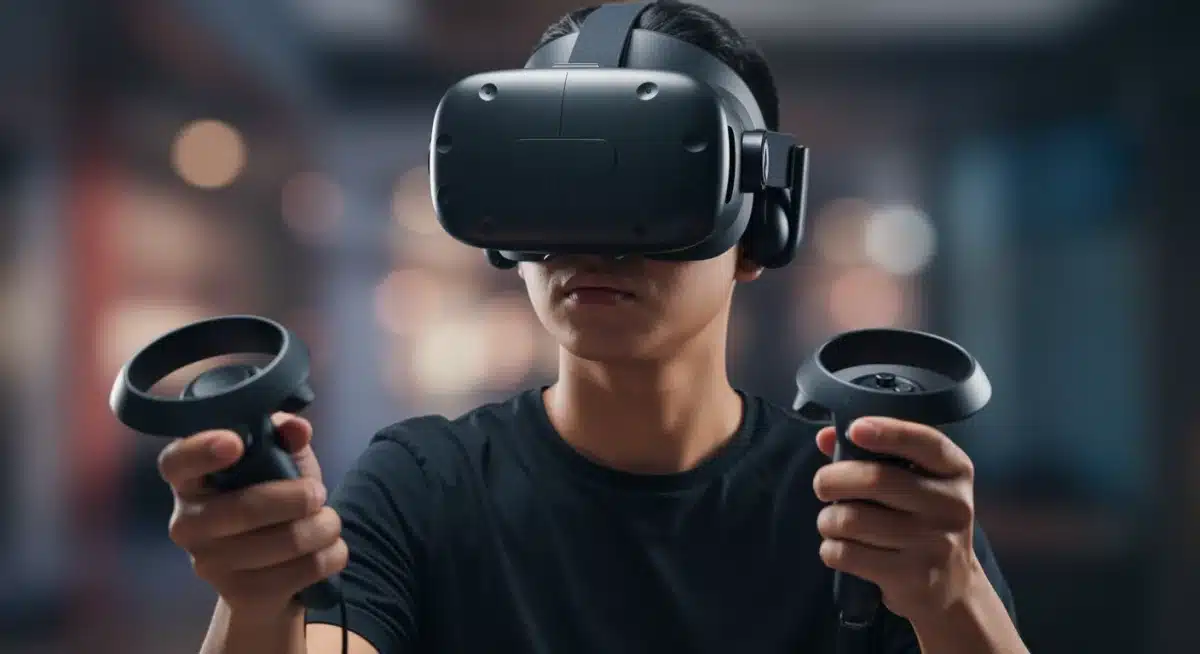
While TVs and projectors offer a shared immersive viewing experience, VR and AR headsets provide a deeply personal and interactive one. By 2026, these devices will be more comfortable, powerful, and accessible, moving beyond niche gaming accessories to become mainstream entertainment platforms. They represent the ultimate in personal immersion, transporting you entirely into digital worlds.
The Evolution of VR/AR for Entertainment:
- Higher Resolution and Wider Field of View (FOV): Newer headsets offer significantly sharper displays, reducing the ‘screen-door effect’ and expanding your peripheral vision, making virtual environments feel more natural and expansive.
- Improved Comfort and Ergonomics: Lighter designs, better weight distribution, and more adjustable straps mean longer, more comfortable viewing sessions.
- Standalone Power: Many advanced headsets no longer require a powerful PC, operating independently with impressive processing capabilities, making them easy to pick up and play.
- Mixed Reality Capabilities: The blending of VR and AR technologies allows for experiences where digital objects can interact with your real-world environment, opening up new possibilities for entertainment, education, and social interaction.
How VR/AR Enhances Immersive Viewing and Saves Costs:
- Virtual Cinemas: Imagine watching your favorite movie on a massive virtual screen in a private cinema, a cozy lodge, or even on the moon. VR headsets offer virtual environments that enhance the viewing experience of traditional 2D content, often surpassing the physical limitations of your living room.
- Interactive Storytelling: Beyond passive viewing, VR allows you to step into narratives, becoming a participant rather than just an observer. This is particularly powerful for documentaries, educational content, and interactive films.
- Gaming and Social Experiences: VR gaming offers unparalleled immersion, while social VR platforms allow you to watch content with friends and family in virtual spaces, regardless of physical distance.
While VR/AR headsets are an initial investment, they can offer unique immersive viewing experiences that complement or even replace certain traditional entertainment forms. For example, instead of paying for a premium cinema experience, a VR headset can deliver a similar sense of scale and immersion from the comfort of your home. As more exclusive content becomes available on these platforms, they can offer a compelling alternative to some traditional subscription models, focusing your entertainment budget more efficiently.
5. Smart Streaming Devices with Advanced AI and Connectivity: The Brains of Your Operation
Even with the best display and sound system, your immersive viewing experience can be hampered by slow interfaces, limited content access, or clunky navigation. By 2026, smart streaming devices will be more powerful and intelligent, acting as the central nervous system of your entertainment setup, seamlessly integrating content from various sources and optimizing it for your specific hardware.
The Evolution of Smart Streaming:
- More Powerful Processors: Faster navigation, quicker app loading, and smoother playback of high-bitrate 4K and 8K content.
- Advanced AI Recommendations: Smarter algorithms that learn your preferences across all services, offering truly personalized content suggestions that help you discover new shows and movies without endless scrolling.
- Universal Search and Integration: The ability to search for content across all your streaming services simultaneously, eliminating the need to jump between apps. This is crucial for maximizing your existing subscriptions.
- Next-Gen Connectivity: Wi-Fi 6E for ultra-fast, low-latency streaming, and robust Bluetooth for connecting multiple audio devices.
- Spatial Audio Processing: Some high-end streaming devices will include dedicated chips for real-time spatial audio processing, optimizing the sound for your specific setup and content.
Saving on Subscription Costs with Smart Streaming Devices:
This is where smart streaming devices truly shine in helping you manage and potentially reduce subscription costs. By providing a unified interface and intelligent recommendations, they can:
- Prevent Redundant Subscriptions: Universal search makes it clear which service hosts the content you want to watch, preventing you from subscribing to a new service for a show that’s already available on one you own.
- Maximize Current Subscriptions: By surfacing relevant content from your existing subscriptions, you’re more likely to engage with and get full value from the services you already pay for, reducing the temptation to add more.
- Identify Underutilized Services: Over time, a smart device can highlight which of your subscribed services you rarely use, prompting you to consider cancelling them.
- Bundle Optimization: As streaming services offer more bundles, an intelligent device can help you manage these, suggesting the most cost-effective combinations based on your viewing habits.
Investing in a high-performance smart streaming device is an investment in efficiency and enjoyment. It streamlines your immersive viewing experience, ensures you’re getting the most out of your existing content, and provides the tools to make informed decisions about your subscription ecosystem.
Bringing It All Together: Crafting Your Ultimate Immersive Viewing Sanctuary
The journey to creating the ultimate immersive viewing sanctuary in 2026 involves more than just acquiring individual pieces of cutting-edge tech; it’s about how these components work together seamlessly. Each upgrade, from the pixel-perfect clarity of an 8K display to the enveloping sound of spatial audio, contributes to a holistic experience that transcends mere entertainment.
Synergy is Key:
- Display and Audio Harmony: An 8K TV paired with a Dolby Atmos sound system creates a powerful audiovisual synergy. The visual depth and clarity are mirrored by the three-dimensional sound, making explosions rumble around you and whispers feel intimately close.
- Projector and Smart Device Integration: A high-performance laser projector, powered by an intelligent streaming device, offers a cinematic scale with smart features. You get the best of both worlds: massive visuals and effortless content access.
- VR/AR as a Complement: While VR offers a distinct, personal immersion, it doesn’t replace the communal experience of a home theater. Instead, it complements it, providing an alternative for specific types of content or when you desire a truly isolated, deep dive into a virtual world.
Strategic Investment for Long-Term Savings:
While these upgrades represent an initial investment, consider the long-term benefits, especially regarding subscription costs. By elevating the quality of your home entertainment, you might find yourself less inclined to spend on external entertainment options like movie theaters or expensive live events. A truly captivating home setup can satisfy your entertainment cravings more fully, leading to indirect savings. Moreover, the enhanced search and recommendation features of advanced streaming devices actively help you optimize your existing subscriptions, ensuring you’re not paying for services you rarely use or for content available elsewhere.
The average household spends a significant amount on streaming services annually. By making conscious choices with your tech upgrades, particularly regarding smart streaming devices, you can gain better control over these recurring expenses. Imagine saving 10% on your total subscription costs simply by being smarter about what you’re subscribed to and getting more value from what you have. This means approximately two months of a typical streaming bundle could be saved, effectively offsetting part of your hardware investment over time.
Conclusion: Embrace the Future of Immersive Viewing
The future of entertainment in 2026 is bright, offering unprecedented levels of immersion and interactivity. By strategically upgrading your home entertainment system with 8K displays, advanced spatial audio, high-performance projectors, cutting-edge VR/AR headsets, and intelligent streaming devices, you’re not just buying gadgets – you’re investing in experiences. These immersive viewing upgrades promise not only to transform how you consume media but also to provide smart ways to manage and even reduce your ongoing entertainment expenses.
Don’t just watch the future unfold; be a part of it. Start planning your upgrades today to unlock a world of breathtaking visuals, captivating sounds, and truly immersive stories, all from the comfort of your own home. The era of passive viewing is over; welcome to the age of active, engaging, and deeply personal entertainment.