Top 4 Wearable Health Tech Innovations: Insider Knowledge for the Next 6 Months
The Top 4 Wearable Health Tech Innovations to Watch in the Next 6 Months (Insider Knowledge)
The landscape of personal health is undergoing a profound transformation, driven by an accelerating pace of technological innovation. Nowhere is this more evident than in the burgeoning field of wearable health tech. What was once the stuff of science fiction is now becoming an integral part of our daily lives, offering unprecedented insights into our bodies and empowering us to take a more proactive role in our well-being. As we stand on the cusp of significant breakthroughs, the next six months promise to be particularly exciting, with several game-changing wearable health tech innovations poised to hit the market or gain widespread adoption.
For those of us keenly observing this space, it’s clear that the focus is shifting beyond simple step counting and heart rate monitoring. The new generation of wearable health tech is about deeper, more nuanced data, predictive analytics, and seamless integration into our healthcare ecosystems. These devices are becoming more discreet, more accurate, and more capable of delivering actionable insights that can genuinely impact health outcomes. From chronic disease management to optimizing athletic performance and enhancing overall longevity, the potential of these new wearables is immense.
This article delves into the top four wearable health tech innovations that industry insiders are buzzing about, providing you with a sneak peek into the future of personal health. We’ll explore how these technologies work, their potential benefits, and what makes them stand out in an increasingly crowded market. Get ready to discover the tools that will redefine how we monitor, understand, and improve our health in the very near future.
1. The Rise of Non-Invasive Continuous Glucose Monitoring (CGM) for All
For millions living with diabetes, continuous glucose monitoring (CGM) has been a revolutionary tool, offering real-time insights into blood sugar levels without the need for frequent finger pricks. However, current CGM devices typically involve a small sensor inserted under the skin, which, while minimally invasive, can still be a barrier for some. The next frontier in wearable health tech is the development and widespread availability of truly non-invasive CGM technology.
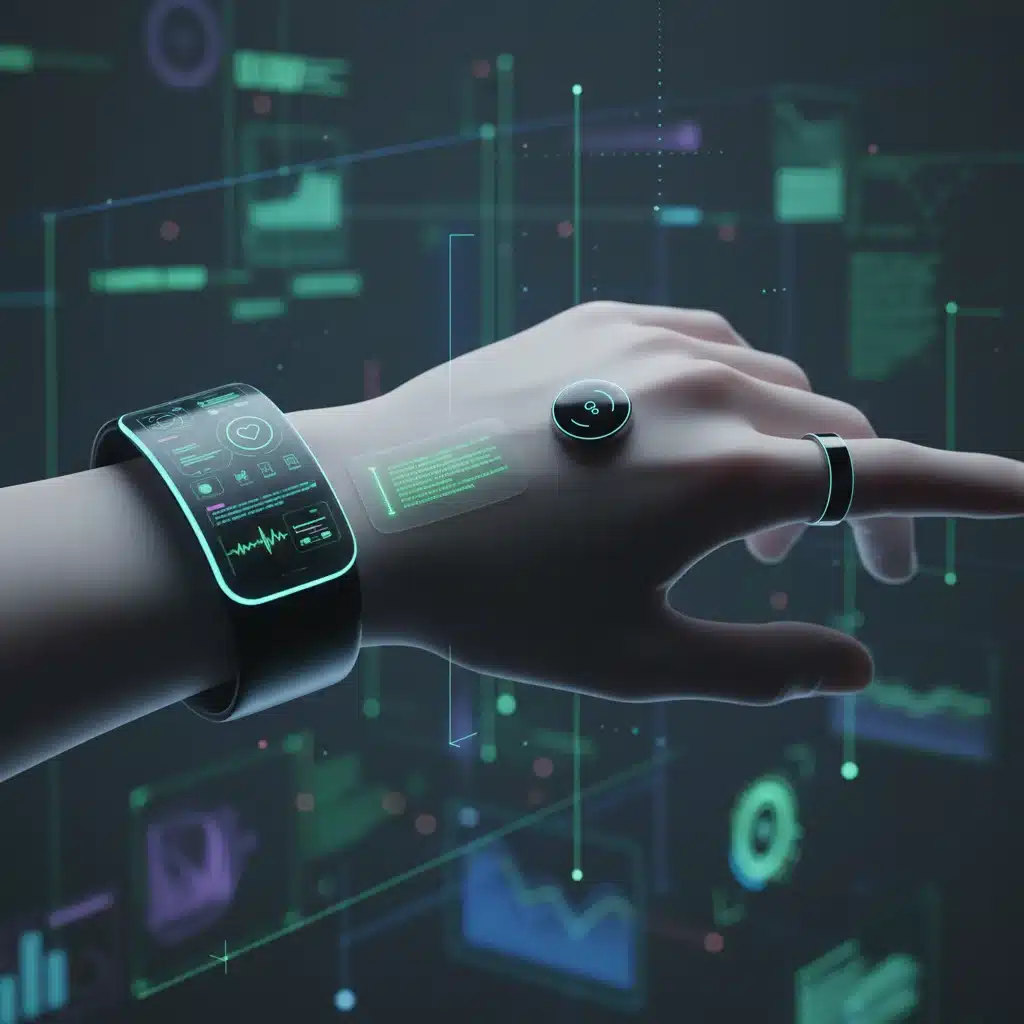
Imagine a world where you could monitor your glucose levels simply by wearing a patch on your skin, a smart watch, or even a smart ring, with no needles involved. This is no longer a distant dream. Companies are making significant strides in developing wearable health tech that uses various methods, such as radio frequency, optical sensors, or even sweat analysis, to accurately measure glucose without breaking the skin. These innovations promise to democratize CGM, making it accessible not just to diabetics, but also to individuals interested in understanding their metabolic health, optimizing their diet, and preventing the onset of type 2 diabetes.
The implications of widespread non-invasive wearable health tech for CGM are staggering. For individuals, it means greater convenience, less discomfort, and more consistent data. For healthcare providers, it offers a richer, more comprehensive view of a patient’s metabolic profile, enabling more personalized and effective interventions. This technology could empower millions to make informed dietary and lifestyle choices, potentially leading to a significant reduction in diabetes-related complications and a general improvement in public health. Keep a close watch on companies like Dexcom, Abbott, and emerging startups that are investing heavily in this transformative area of wearable health tech.
2. Advanced Multi-Sensor Smart Patches for Holistic Health Monitoring
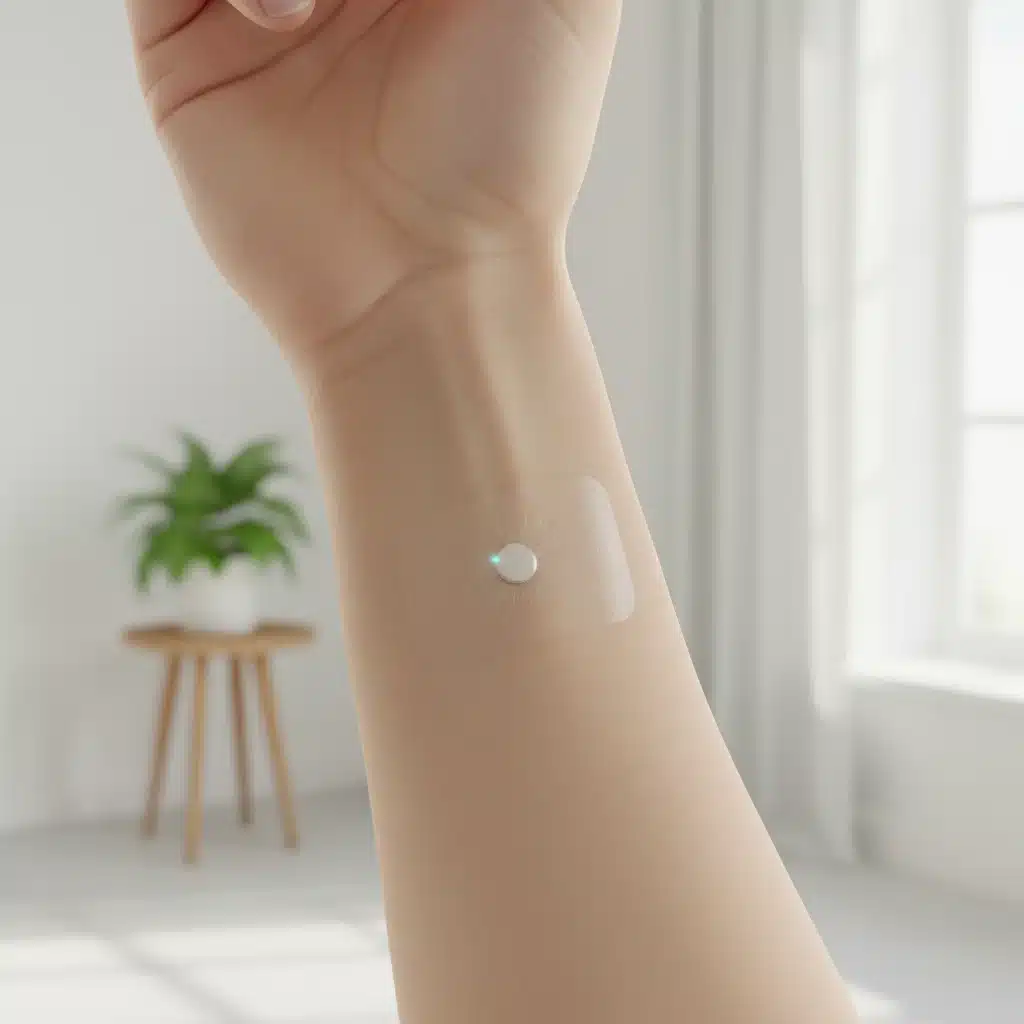
While smartwatches have become ubiquitous, the next evolution in wearable health tech is the discreet, powerful smart patch. These small, adhesive devices are designed to be worn on the skin for extended periods, offering continuous and comprehensive monitoring of a wider array of physiological parameters than ever before. Unlike smartwatches that can be removed, smart patches provide truly uninterrupted data streams, making them invaluable for both clinical and personal use.
The new generation of smart patches goes beyond basic vital signs. They are incorporating multiple sophisticated sensors to track everything from continuous core body temperature, hydration levels, and respiratory rate to galvanic skin response, sleep stages, and even certain biomarkers through sweat analysis. Some are even being developed to monitor medication adherence or detect early signs of infection. This integrated approach to wearable health tech monitoring offers a holistic view of an individual’s health status, enabling earlier detection of anomalies and more proactive health management.
Consider the potential applications: athletes could optimize their training and recovery by continuously monitoring hydration and core temperature. Individuals recovering from surgery could have their vital signs monitored remotely, reducing the need for hospital stays. The elderly could be monitored for fall risks or changes in gait, ensuring timely intervention. Furthermore, the data collected by these smart patches, when combined with AI analytics, can identify subtle trends and patterns that might otherwise go unnoticed, offering predictive insights into potential health issues. This area of wearable health tech is set to explode, with companies like BioIntelliSense and VivaLNK leading the charge in developing these sophisticated, medical-grade adhesive sensors.
3. AI-Powered Sleep Trackers with Personalized Intervention
Sleep is a cornerstone of good health, yet many struggle with sleep disorders or simply don’t get enough quality rest. While basic sleep trackers have been around for years, the next wave of wearable health tech in this domain is integrating artificial intelligence to move beyond mere data collection to personalized intervention and improvement. These aren’t just telling you how long you slept; they’re helping you sleep better.
The new breed of AI-powered sleep trackers, often found in smart rings, advanced mattresses, or dedicated bedside devices, utilizes more sophisticated sensors to accurately differentiate sleep stages (REM, light, deep) and identify disturbances. But the real game-changer is the AI component. These systems learn your unique sleep patterns over time, identify deviations, and then offer personalized recommendations. This might include suggesting optimal bedtimes based on your circadian rhythm, recommending specific relaxation techniques, or even integrating with smart home devices to adjust lighting and temperature for better sleep conditions.
Some advanced wearable health tech sleep trackers are even incorporating biofeedback mechanisms. For instance, a smart pillow might gently vibrate to encourage a change in sleeping position to reduce snoring, or a smart ring might detect elevated stress levels before sleep and suggest a guided meditation. The goal is to create a dynamic, responsive system that actively works with you to improve sleep quality. The impact of such accurate and personalized sleep insights on overall health, cognitive function, and mood cannot be overstated. Companies like Oura, Eight Sleep, and Sleep Cycle are at the forefront of this evolution, making AI-powered sleep optimization a key focus of their wearable health tech offerings.
4. Miniaturized Wearable Diagnostics for Early Disease Detection
The ultimate goal of much of wearable health tech is to shift healthcare from reactive to proactive – to detect potential health issues before they become serious problems. The fourth major innovation to watch is the development of highly miniaturized wearable diagnostic devices capable of detecting early markers of disease, often before symptoms even appear. These devices are pushing the boundaries of what’s possible outside a clinical lab.
This category encompasses a broad range of technologies. We’re seeing advancements in wearable sensors that can detect specific volatile organic compounds (VOCs) in breath, which could be indicators of certain cancers or metabolic disorders. Other innovations include tiny patches capable of micro-sampling interstitial fluid for real-time analysis of electrolytes, hormones, or even early inflammatory markers. There are also efforts to integrate advanced optical sensors into wearable health tech that can non-invasively detect changes in blood flow or tissue composition indicative of cardiovascular issues or skin conditions.
The challenge with these miniaturized diagnostics lies in achieving clinical-grade accuracy and reliability in a wearable form factor. However, rapid advancements in materials science, microfluidics, and AI-driven data analysis are making this a reality. Imagine a future where your wearable health tech could alert you to early signs of a viral infection, a nutrient deficiency, or even a predisposition to a heart event, allowing for immediate medical consultation and intervention. This proactive approach has the potential to save countless lives and significantly reduce healthcare burdens. Startups emerging from university research labs and established medical device companies are heavily investing in this frontier of wearable health tech, promising a future of truly personalized and preventive medicine.
The Broader Impact of Wearable Health Tech Innovations
These four areas of wearable health tech innovation – non-invasive CGM, advanced smart patches, AI-powered sleep trackers, and miniaturized diagnostics – are not developing in isolation. They are part of a larger, interconnected ecosystem that is fundamentally reshaping how we interact with our health. The data generated by these devices, when securely integrated and analyzed, forms a powerful foundation for personalized medicine, preventive care, and even public health initiatives.
One of the most significant impacts will be on the doctor-patient relationship. With continuous, rich data streams from wearable health tech, healthcare providers will have a much more complete picture of a patient’s health between visits. This can lead to more accurate diagnoses, more tailored treatment plans, and better management of chronic conditions. Patients, in turn, become more engaged and informed participants in their own health journey.
Furthermore, the insights gleaned from aggregated, anonymized wearable health tech data have the potential to drive significant advancements in medical research. Identifying population-level trends, understanding disease progression in real-world settings, and evaluating the effectiveness of interventions become far more feasible with this wealth of information. This is a powerful feedback loop that promises to accelerate medical discovery and improve global health outcomes.
Challenges and Considerations for Widespread Adoption
While the future of wearable health tech is bright, several challenges must be addressed for these innovations to achieve their full potential. Data privacy and security are paramount. As these devices collect increasingly sensitive health information, robust safeguards are essential to protect personal data from breaches and misuse. Users must trust that their data is secure and used ethically.

Accuracy and regulatory approval are also critical. For many of these advanced wearable health tech devices, particularly those making diagnostic claims, rigorous testing and approval by regulatory bodies like the FDA will be necessary to ensure their reliability and safety. This process can be lengthy and complex, but it is vital for building public and medical community trust.
Finally, accessibility and affordability will play a key role in widespread adoption. While early adopters may be willing to pay a premium, for these technologies to truly democratize health insights, they must become affordable and accessible to a broader population. This will involve scalable manufacturing, innovative business models, and potentially integration with insurance and healthcare systems.
Conclusion: A Healthier Future Driven by Wearable Health Tech
The next six months are set to usher in a new era of personal health management, powered by groundbreaking wearable health tech innovations. From non-invasive continuous glucose monitoring that simplifies diabetes management and metabolic health tracking, to advanced multi-sensor smart patches offering holistic physiological insights, and AI-powered sleep trackers providing personalized interventions, the future is about more proactive, personalized, and preventive care.
The emergence of miniaturized wearable diagnostics further promises to transform early disease detection, potentially saving lives and improving quality of life. These technologies, while still facing challenges related to privacy, regulation, and accessibility, represent a fundamental shift in how we understand and interact with our bodies. They empower individuals with unprecedented data and insights, fostering a more engaged and informed approach to well-being.
As these wearable health tech innovations mature and become more integrated into our daily lives, we can look forward to a future where health monitoring is seamless, insights are actionable, and preventive care is the norm. Keep your eyes on these four areas – they are not just technological marvels, but harbingers of a healthier, more empowered future for us all.