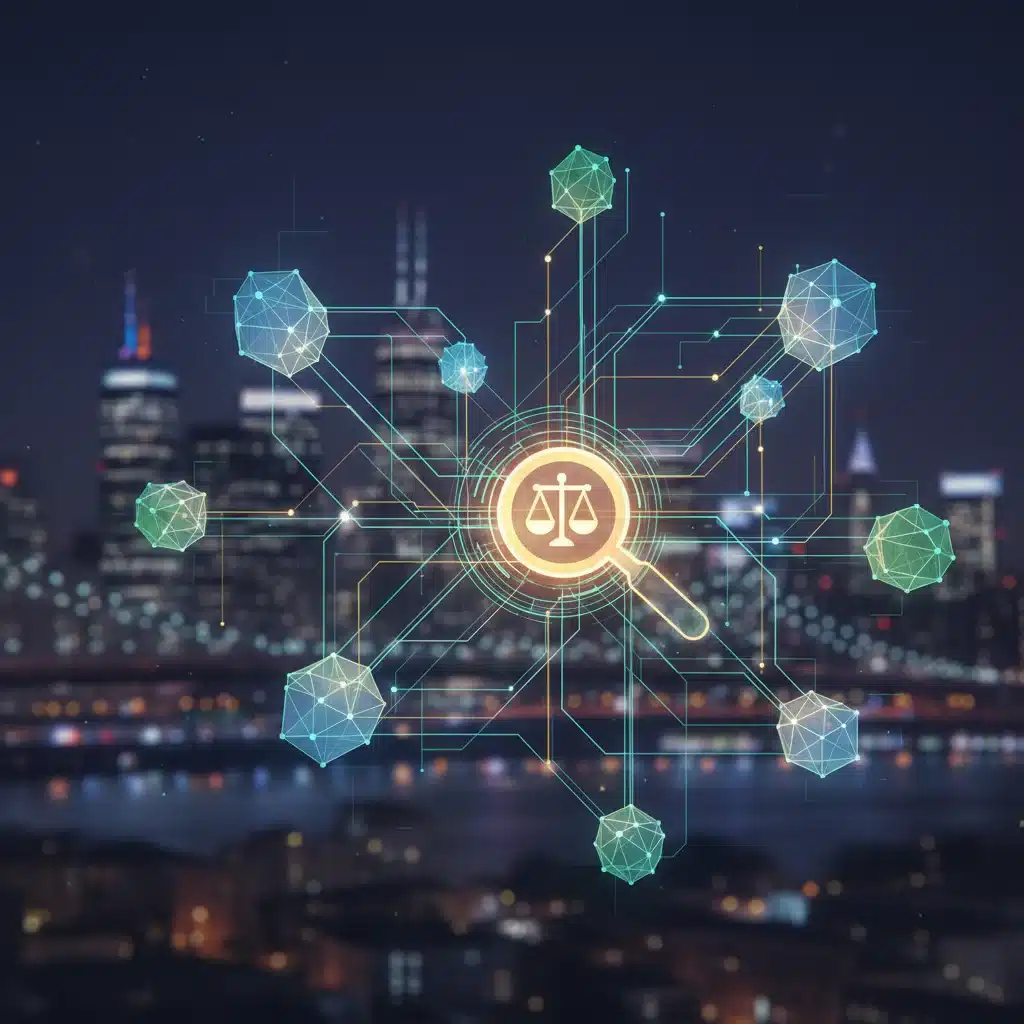
The digital age, while connecting us in unprecedented ways, has also ushered in an era of rampant misinformation. False narratives spread like wildfire, eroding trust in institutions, influencing public opinion, and even threatening democratic processes. Traditional centralized fact-checking organizations, while vital, often struggle to keep pace with the sheer volume and velocity of misleading content. Enter decentralized fact-checking networks – an innovative solution leveraging collective intelligence, blockchain, and advanced algorithms to combat this global scourge. Projections indicate that these networks are poised to achieve a remarkable 15% higher accuracy rate in the US by 2026, marking a significant leap forward in the fight for truth.
Anúncios
This article will delve into the intricate world of decentralized fact-checking networks, exploring their foundational principles, the mechanisms by which they operate, the profound benefits they offer, and the challenges they must overcome to realize their full potential. We will examine how these cutting-edge systems are redefining the landscape of information verification and why their rise is critical for fostering a more informed and resilient society.
The Genesis of Decentralized Fact-Checking: A Response to a Crisis
The problem of misinformation is not new, but its scale and impact have been dramatically amplified by social media and the 24/7 news cycle. Centralized fact-checking bodies, while performing invaluable work, face inherent limitations. They can be overwhelmed by the sheer volume of content, perceived as biased, or lack the agility to address rapidly evolving narratives. The need for a more robust, scalable, and trustworthy system became evident, paving the way for the emergence of decentralized fact-checking networks.
These networks are built on the premise that a distributed, community-driven approach can be more effective than a single-point-of-failure system. By distributing the responsibility and authority of verification across a broader network of participants, they aim to achieve greater transparency, reduce bias, and increase the speed and accuracy of fact-checking. This paradigm shift represents a fundamental rethinking of how we validate information in the digital realm.
Understanding the Core Principles of Decentralization
At its heart, decentralization in fact-checking means moving away from a single authority that dictates truth. Instead, it relies on a consensus mechanism where multiple independent entities contribute to and verify information. This often involves:
- Distributed Ledger Technology (DLT): Often, blockchain underpins these networks, providing an immutable and transparent record of fact-checks, sources, and verification processes.
- Community Participation: A diverse group of individuals, from expert fact-checkers to citizen journalists, contribute to the verification process, often incentivized for their accurate contributions.
- Algorithmic Oversight: AI and machine learning algorithms play a crucial role in identifying potential misinformation, flagging content for review, and aggregating consensus from human fact-checkers.
- Transparency: The entire process, from initial flagging to final verdict, is designed to be auditable and transparent, allowing users to understand how a conclusion was reached.
The synergy of these elements allows decentralized fact-checking networks to address some of the most persistent challenges faced by traditional methods, particularly in terms of scalability and perceived impartiality.
How Decentralized Fact-Checking Networks Operate: A Multi-Layered Approach
The operational model of decentralized fact-checking networks is typically multi-layered, combining automated processes with human expertise. This hybrid approach ensures both efficiency and nuanced understanding, crucial for tackling complex misinformation.
Automated Detection and Initial Flagging
The first line of defense often involves AI-powered tools. These algorithms continuously monitor vast amounts of online content, identifying patterns, keywords, and anomalies indicative of potential misinformation. They can analyze text, images, and even videos for inconsistencies, deepfakes, or propaganda techniques. Content flagged by these systems is then prioritized for human review, ensuring that resources are directed where they are most needed.
Community-Driven Verification and Consensus Mechanisms
Once content is flagged, it enters the community verification stage. This is where the decentralized nature truly shines. Different networks employ various models:
- Staking Models: Participants stake a certain amount of cryptocurrency (or a similar digital asset) to verify claims. If their verification is accurate and aligns with the community’s consensus, they are rewarded; if inaccurate, they lose their stake. This incentivizes honest and thorough fact-checking.
- Reputation Systems: Fact-checkers build a reputation score based on the accuracy and consistency of their past contributions. Higher-reputation members often have more weight in the consensus process or are assigned more critical tasks.
- Voting Mechanisms: A network of verified fact-checkers votes on the veracity of a claim, with the majority vote determining the outcome. This can be enhanced with weighted voting based on expertise or past performance.
These mechanisms are designed to aggregate collective intelligence, making it harder for any single entity or small group to manipulate the outcome. The distributed nature inherently makes the system more resilient to censorship and external pressure.
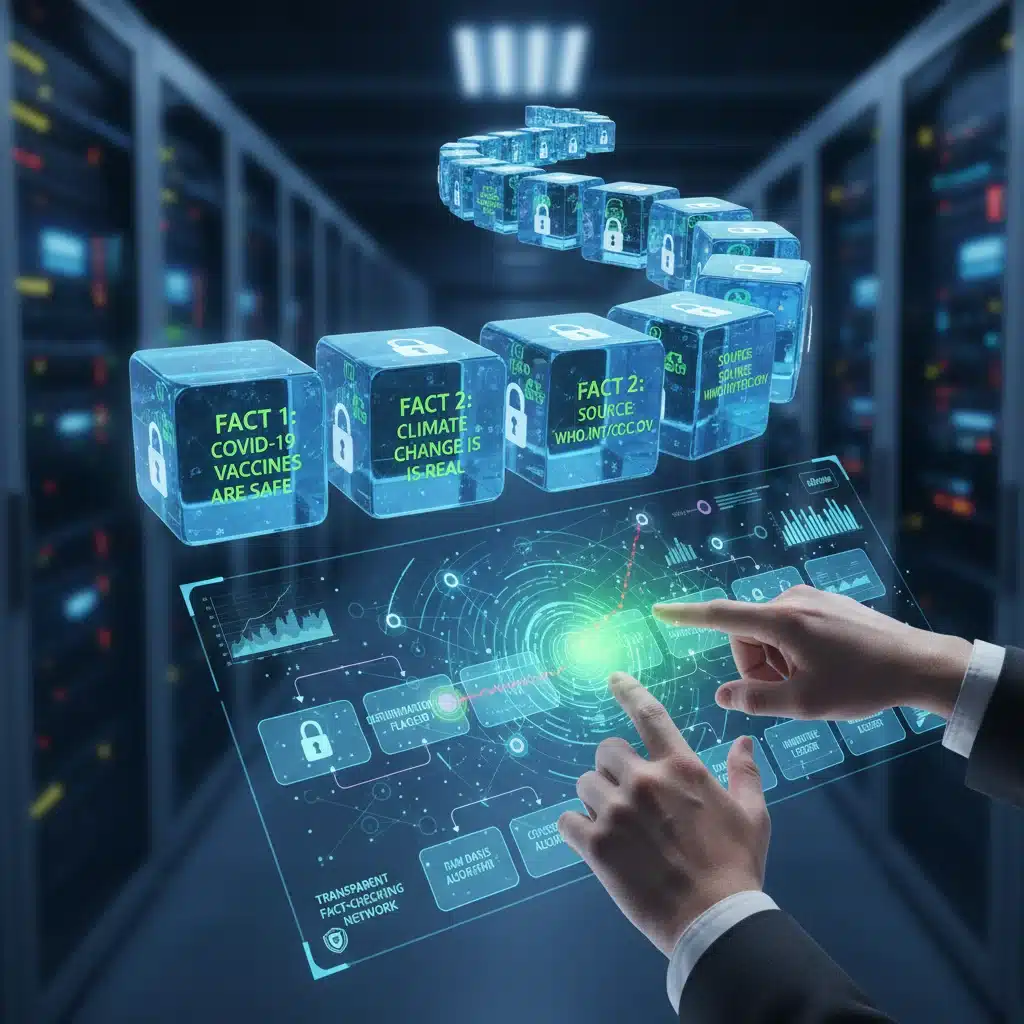
A critical aspect of these operations is the transparent recording of all steps on a distributed ledger. This means every source, every piece of evidence, and every decision made by fact-checkers is logged and immutable, providing an auditable trail that enhances public trust. This transparency is a cornerstone of why decentralized fact-checking networks are gaining traction.
Integration with Platforms and Dissemination of Verified Information
The ultimate goal is to integrate these verified insights back into the digital ecosystem. This can involve partnerships with social media platforms, search engines, and news aggregators to display fact-check labels, warnings, or even down-rank misleading content. Some networks also focus on creating open-source databases of verified information, accessible to anyone seeking reliable data. The effectiveness of decentralized fact-checking networks hinges on their ability to not only identify misinformation but also to effectively disseminate accurate information to a broad audience.
The Promise of Higher Accuracy: Why 15% Matters
The projection of a 15% higher accuracy rate in the US by 2026 for decentralized fact-checking networks is not merely an incremental improvement; it represents a significant shift in our ability to combat misinformation. But what drives this enhanced accuracy?
Reduced Bias and Enhanced Objectivity
Centralized fact-checking can, at times, be perceived as biased, whether due to political leanings, corporate interests, or human error. Decentralized systems mitigate this by distributing the verification process across a diverse and often anonymous group of participants. The consensus mechanism inherently reduces the impact of any single individual’s bias, leading to more objective outcomes.
Scalability and Speed
The sheer volume of content generated daily makes it impossible for a small team of fact-checkers to keep up. Decentralized networks, by leveraging a global community and automated tools, can scale rapidly to address emerging narratives. This speed is crucial in the fast-paced digital environment where misinformation can spread globally in minutes.
Improved Data Integrity and Traceability
Blockchain technology, a common component of these networks, ensures that all data related to a fact-check is immutable and traceable. This means sources cannot be altered, and the history of a claim’s verification is permanently recorded. This integrity builds trust and provides a strong evidentiary basis for conclusions, contributing directly to higher accuracy.
Leveraging Collective Intelligence
The wisdom of crowds, when properly harnessed, can outperform individual experts in certain tasks. By aggregating insights from a diverse pool of fact-checkers, decentralized fact-checking networks can tap into a broader range of expertise and perspectives, leading to more robust and accurate conclusions. Different individuals might catch different nuances or access different sources, collectively building a more complete picture.
This combination of technological innovation and human collaboration creates a powerful synergy, enabling these networks to identify and correct false information with greater precision and reliability than ever before. The 15% higher accuracy rate is a testament to this transformative potential.
Challenges and Hurdles for Decentralized Fact-Checking Networks
Despite their immense promise, decentralized fact-checking networks are not without their challenges. Overcoming these hurdles will be crucial for their widespread adoption and long-term success.
Ensuring Quality and Preventing Sybil Attacks
A major concern is maintaining the quality of fact-checking when contributions come from a decentralized, potentially anonymous, community. How do networks ensure that participants are genuinely committed to accuracy and not attempting to inject their own biases or spread misinformation (known as a Sybil attack)? Robust reputation systems, stringent onboarding processes, and significant economic incentives/disincentives (like staking) are vital to address this.
Scalability of Human Review
While automation helps, complex or nuanced misinformation still requires human judgment. Scaling the human review aspect effectively, especially for diverse languages and cultural contexts, remains a significant operational challenge. Developing efficient workflows and training modules for a global network of fact-checkers is an ongoing effort.
Integration with Legacy Systems and Mainstream Platforms
For decentralized fact-checking networks to have a real-world impact, they need to integrate seamlessly with the platforms where misinformation spreads – primarily social media and news outlets. This often requires buy-in and collaboration from large tech companies, which can be slow and complex. Establishing open standards and APIs will be key to facilitating these integrations.
User Adoption and Education
The average internet user may not understand the complexities of decentralized systems. Educating the public about how these networks work, why they are trustworthy, and how to interpret their findings is essential for broad adoption. Without user trust and understanding, even the most accurate system will struggle to gain traction.
Regulatory and Legal Ambiguities
The decentralized nature of these networks can create legal and regulatory ambiguities, particularly concerning liability for content, data privacy, and international jurisdiction. As these networks grow, clearer legal frameworks will be needed to support their operation without stifling innovation.
Technological Complexity and Accessibility
Building and maintaining robust decentralized networks, especially those leveraging blockchain and AI, is technologically complex. Ensuring these systems are accessible and user-friendly for both fact-checkers and general users is paramount. A steep learning curve can deter potential participants.
Addressing these challenges requires continuous innovation, collaboration across sectors, and a commitment to building transparent and resilient systems. The journey towards widespread adoption of decentralized fact-checking networks is ongoing, but the potential rewards are immense.
The Future Landscape: Decentralized Fact-Checking and Beyond
The trajectory for decentralized fact-checking networks suggests a future where information verification is more democratic, transparent, and accurate. The projected 15% higher accuracy rate by 2026 in the US is just the beginning.
Synergy with AI and Machine Learning
The role of AI will continue to evolve, moving beyond just flagging content to potentially assisting in the verification process itself, perhaps by summarizing evidence or identifying logical fallacies. However, human oversight will remain critical for nuanced judgment and ethical considerations. The future lies in a symbiotic relationship between advanced AI and human intelligence within these decentralized frameworks.
Hyper-Local Fact-Checking
Decentralized models are particularly well-suited for hyper-local fact-checking, where local communities can verify information relevant to their immediate surroundings. This can combat localized rumors and ensure that diverse cultural and linguistic contexts are accurately addressed, something centralized bodies often struggle with.
Integration into Daily Digital Life
Imagine a future where every piece of information you encounter online comes with an inherent trust score, verified by a decentralized network. This level of integration could fundamentally change how we consume and interact with digital content, fostering a more critical and discerning online populace. Browser extensions, app integrations, and even native platform features could leverage these networks.
Empowering Media Literacy
By making the verification process transparent, decentralized fact-checking networks can also serve as powerful educational tools. Users can see how claims are evaluated, learn to identify reliable sources, and develop critical thinking skills, thereby enhancing overall media literacy within the population.
Economic Models for Sustainability
Developing sustainable economic models for these networks is crucial. This could involve micro-payments for accurate fact-checks, tokenomics, or even subscription models for enhanced verification services. The goal is to create systems that are self-sustaining and incentivized for truth, rather than relying solely on grants or philanthropic funding.

The evolution of decentralized fact-checking networks is not just about technology; it’s about building a more resilient and truthful information ecosystem. As these networks mature and overcome their initial challenges, their impact on public discourse and trust will only grow, moving us closer to a future where misinformation struggles to take root.
Conclusion: A New Era for Information Verification
The fight against misinformation is one of the defining challenges of our time. Traditional approaches, while valuable, are proving insufficient against the tide of digital falsehoods. Decentralized fact-checking networks offer a powerful, scalable, and more accurate alternative, promising to revolutionize how we verify information and restore trust in the digital realm. The projection of a 15% higher accuracy rate in the US by 2026 underscores their transformative potential.
By leveraging the power of collective intelligence, blockchain transparency, and advanced AI, these networks are building a more robust and resilient information ecosystem. While challenges remain in areas such as quality control, integration, and user adoption, the continuous innovation and growing recognition of their importance suggest a bright future. As these networks evolve, they will not only enhance our ability to discern truth from falsehood but also empower individuals with greater media literacy, fostering a more informed, critical, and ultimately, a more democratic society. The era of truly decentralized and highly accurate fact-checking is upon us, and its impact will be profound and far-reaching.