Decentralized News and Intellectual Property Rights in the US: What Every Contributor Needs to Know in 2026
Anúncios
The landscape of news dissemination is undergoing a profound transformation. As we step into 2026, the rise of decentralized news platforms is not just a technological shift but a seismic reordering of how information is created, shared, and consumed. These platforms, often built on blockchain technology, promise greater transparency, censorship resistance, and a more equitable distribution of value to creators. However, this exciting evolution brings with it a complex web of legal considerations, particularly concerning intellectual property (IP) rights in the United States. For every journalist, content creator, and contributor venturing into this new frontier, a clear understanding of decentralized news IP is not just beneficial, it’s absolutely essential.
Traditional media models, with their centralized ownership and clear editorial lines, have established frameworks for copyright, licensing, and content distribution. Decentralized news, by its very nature, challenges these established norms. Who owns the content when it’s stored on an immutable ledger across thousands of nodes? How are licensing agreements enforced when there’s no central authority? What are the implications for fair use, attribution, and monetization? These are not hypothetical questions; they are pressing concerns that demand attention from anyone looking to contribute to or consume news in this burgeoning ecosystem.
This comprehensive guide aims to demystify the intersection of decentralized news and intellectual property rights in the US for 2026. We will delve into the foundational principles of US copyright law, explore how these principles are being challenged and reinterpreted in the context of blockchain and Web3, and provide actionable insights for contributors to protect their work and navigate potential legal pitfalls. Our goal is to equip you with the knowledge necessary to thrive in this dynamic and often complex environment, ensuring your creative efforts are both recognized and rewarded.
Understanding the Decentralized News Paradigm: A New Era of Information
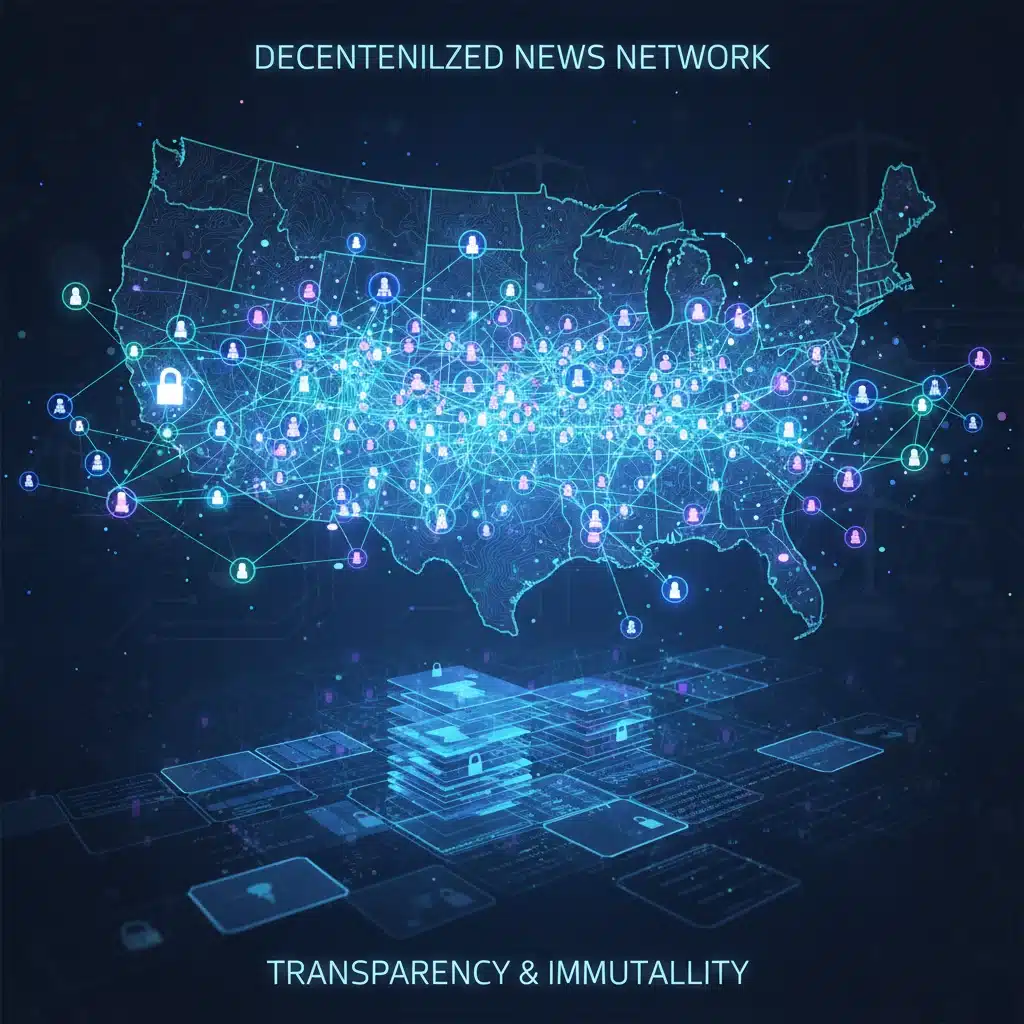
Before we dive into the intricacies of intellectual property, it’s crucial to grasp the fundamental characteristics of decentralized news platforms. Unlike traditional news outlets, which are typically owned and operated by a single entity, decentralized platforms distribute control and data across a network of participants. This often involves:
- Blockchain Technology: Many decentralized news platforms leverage blockchain to record content, metadata, and transactions. This creates an immutable and transparent ledger of information, making it difficult to alter or censor content once published.
- Distributed Storage: Content isn’t stored on a single server but across a network of nodes, enhancing resilience against attacks and single points of failure.
- Community Governance: Decisions about platform rules, content moderation, and even revenue distribution can be made by the community through decentralized autonomous organizations (DAOs) or similar mechanisms.
- Tokenization: Cryptocurrencies or utility tokens are often used to incentivize participation, reward creators, and facilitate transactions within the ecosystem.
The promise of decentralized news is compelling: greater editorial independence, direct compensation for creators, reduced censorship, and enhanced trust through transparency. However, these very features introduce novel challenges for intellectual property. In a system designed to be permissionless and resistant to central control, how do traditional copyright enforcement mechanisms, which often rely on central authorities and legal frameworks, adapt?
The Bedrock: US Copyright Law in 2026
At its core, intellectual property in the US is governed by copyright law, primarily codified in Title 17 of the U.S. Code. While the digital age has necessitated numerous amendments and interpretations, the fundamental principles remain largely consistent. As of 2026, here’s what every contributor needs to remember:
What Copyright Protects
Copyright protects original works of authorship fixed in a tangible medium of expression. This includes literary works (like news articles, blog posts), musical works, dramatic works, pictorial, graphic, and sculptural works, motion pictures, sound recordings, architectural works, and computer programs. For news contributors, this means your original reporting, analysis, photographs, videos, and illustrations are generally copyrightable.
Automatic Protection
Copyright protection arises automatically the moment an original work is created and fixed. You don’t need to register your work with the US Copyright Office to have copyright. However, registration offers significant advantages, particularly when it comes to enforcing your rights in court.
Exclusive Rights of Copyright Holders
As a copyright holder, you possess several exclusive rights, including:
- To reproduce the copyrighted work.
- To prepare derivative works based upon the copyrighted work.
- To distribute copies of the copyrighted work to the public by sale or other transfer of ownership, or by rental, lease, or lending.
- To perform the copyrighted work publicly (in the case of certain works).
- To display the copyrighted work publicly (in the case of certain works).
- In the case of sound recordings, to perform the copyrighted work publicly by means of a digital audio transmission.
These rights are paramount when considering how your content is used on decentralized platforms. Understanding them is the first step in protecting your decentralized news IP.
Duration of Copyright
For works created by individual authors, copyright generally lasts for the life of the author plus 70 years. For works made for hire and anonymous or pseudonymous works, copyright lasts for 95 years from publication or 120 years from creation, whichever is shorter.
Fair Use Doctrine
An important limitation to copyright is the doctrine of fair use, which permits limited use of copyrighted material without permission for purposes such as criticism, comment, news reporting, teaching, scholarship, or research. The determination of fair use involves a four-factor analysis:
- The purpose and character of the use (commercial vs. non-profit educational).
- The nature of the copyrighted work.
- The amount and substantiality of the portion used in relation to the copyrighted work as a whole.
- The effect of the use upon the potential market for or value of the copyrighted work.
Fair use is notoriously complex and often a point of contention, especially in fast-moving news environments. Contributors on decentralized platforms must be mindful of fair use when incorporating third-party content into their own work.
Challenges to IP in Decentralized News Platforms
The very design principles that make decentralized news appealing also introduce significant challenges for traditional IP frameworks. Let’s explore these complexities:
Immutability vs. Takedown Notices
One of the core tenets of blockchain is immutability – once data is recorded, it’s extremely difficult, if not impossible, to alter or remove. This clashes directly with the traditional mechanisms for copyright enforcement, such as DMCA (Digital Millennium Copyright Act) takedown notices. If infringing content is permanently etched onto a blockchain, who is responsible for its removal, and how can it be effectively taken down?
Attribution and Licensing in a Permissionless Environment
Decentralized platforms often emphasize permissionless participation. While this fosters open contribution, it can complicate proper attribution and the enforcement of licensing agreements. How do creators ensure their work is correctly attributed and used according to their specified licenses (e.g., Creative Commons, proprietary licenses) when there’s no central gatekeeper?
Jurisdictional Ambiguity
Blockchain networks are global, transcending national borders. This creates jurisdictional ambiguity. If a contributor in the US publishes content on a decentralized platform, and that content is accessed and potentially infringed upon by someone in another country, which nation’s laws apply? This becomes particularly thorny for decentralized news IP disputes.
Ownership and Control in Distributed Networks
In traditional publishing, the publisher often acquires certain rights to the content. In decentralized models, ownership can be more fragmented. Is the content owned by the contributor, the platform’s DAO, or the token holders? Clarifying these ownership structures is vital for defining IP rights.
Smart Contracts and Automated Enforcement
While a challenge, blockchain also offers potential solutions. Smart contracts, self-executing agreements coded onto the blockchain, could automate licensing, royalty payments, and even some aspects of IP enforcement. However, the legal enforceability of smart contracts for complex IP matters is still an evolving area of law.
Protecting Your Decentralized News IP: Strategies for Contributors in 2026
Given these challenges, what can contributors do to protect their intellectual property when engaging with decentralized news platforms in 2026? A proactive and informed approach is key.
1. Understand Platform Terms and Conditions
Before publishing anything, thoroughly read and understand the terms of service, content policies, and intellectual property clauses of any decentralized news platform you use. These documents will outline how the platform handles ownership, licensing, and disputes. Pay close attention to:
- Grant of Rights: What rights do you grant the platform or its users when you submit content? Is it a worldwide, perpetual, irrevocable, royalty-free license, or something more restrictive?
- Content Ownership: Does the platform explicitly state that you retain full ownership of your IP?
- Dispute Resolution: How are IP infringement claims handled? Is there an on-chain dispute resolution mechanism, or does it defer to traditional legal systems?
2. Leverage On-Chain Proof of Authorship
One of the most powerful features of blockchain is its ability to provide an immutable timestamp and record of creation. When you publish content on a decentralized platform, ensure that a verifiable record of your authorship is created on the blockchain. This can serve as strong evidence of creation and ownership in case of a dispute. Some platforms may automatically handle this, while others might require specific actions.
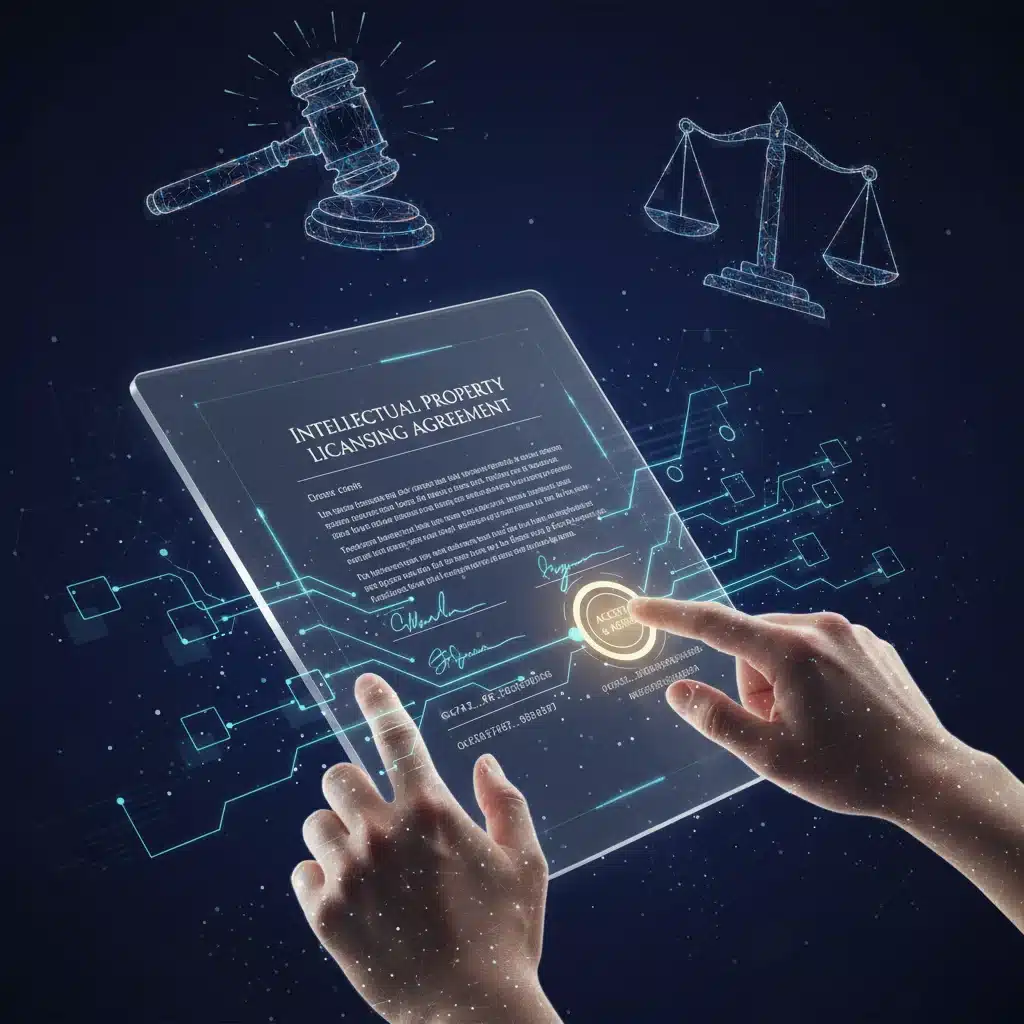
3. Be Explicit with Licensing
Don’t assume. Clearly state the licensing terms for your content. Common options include:
- All Rights Reserved: The most restrictive, meaning no one can use your work without explicit permission.
- Creative Commons (CC) Licenses: A range of licenses that allow creators to specify how others can use their work (e.g., attribution required, non-commercial use, no derivatives). These are particularly popular in open, decentralized environments.
- Custom Licenses: If a platform supports it, you might be able to define a custom license via a smart contract.
Make sure your chosen license is prominently displayed alongside your content. This helps inform users and provides a basis for enforcement.
4. Consider Copyright Registration (US Copyright Office)
While copyright protection is automatic, registering your work with the US Copyright Office offers significant legal advantages. These include:
- Public Record: Creates a public record of your copyright claim.
- Prerequisite for Lawsuit: In the US, you generally cannot sue for copyright infringement until your work is registered.
- Statutory Damages and Attorney’s Fees: If registered before infringement occurs (or within three months of publication), you can be eligible for statutory damages and attorney’s fees, which can be much higher than actual damages.
For valuable content, the cost and effort of registration are a worthwhile investment in safeguarding your decentralized news IP.
5. Digital Rights Management (DRM) and NFTs
The concept of Digital Rights Management (DRM) is evolving in the decentralized space. Non-Fungible Tokens (NFTs) are playing an increasingly significant role. While often associated with digital art, NFTs can represent ownership or licensing rights over any digital asset, including news content. Minting your unique articles, photographs, or videos as NFTs could:
- Provide Verifiable Ownership: The NFT acts as a unique, verifiable token of ownership on the blockchain.
- Enable Fractional Ownership/Licensing: Smart contracts tied to NFTs can automate royalty payments or allow for granular licensing of content.
- Create New Monetization Avenues: NFTs can be traded, sold, or used as collateral, opening up new ways for creators to earn from their work beyond traditional advertising or subscriptions.
While the legal framework around NFTs and IP is still developing, they offer a promising avenue for managing and monetizing decentralized news IP.
6. Monitor for Infringement (On-Chain and Off-Chain)
Even with robust protections, infringement can occur. Contributors should actively monitor for unauthorized use of their content, both within the decentralized ecosystem and on traditional platforms. Tools for content tracking and blockchain analytics can assist in identifying potential infringements. If an infringement is detected, you will need to assess the best course of action based on the platform’s policies and legal options.
The Role of Smart Contracts in IP Management
Smart contracts are poised to revolutionize how intellectual property is managed and enforced in decentralized news. These self-executing contracts, with the terms of the agreement directly written into code, offer several advantages:
- Automated Licensing: A smart contract could automatically grant a license to a user upon payment or agreement to certain terms, eliminating the need for intermediaries.
- Royalty Distribution: For content that generates revenue (e.g., through subscriptions, ad revenue shares, or NFT sales), smart contracts can automatically distribute royalties to all contributing parties according to pre-defined rules.
- Attribution Enforcement: While complex, smart contracts could potentially be designed to embed attribution requirements into the very use of content, triggering penalties or preventing access if terms are violated.
- Dispute Resolution: Future iterations of smart contracts might incorporate on-chain arbitration mechanisms for minor IP disputes, though major legal battles would likely still require traditional courts.
However, it’s important to remember that smart contracts are only as good as the code they are built upon. Bugs or vulnerabilities could have significant consequences, and their legal standing in traditional courts is still being clarified. As a contributor, understanding the smart contracts governing your content is paramount for protecting your decentralized news IP.
Emerging Legal & Regulatory Landscape: What to Watch in 2026
The legal and regulatory environment surrounding decentralized technologies is rapidly evolving. In 2026, several key areas will likely influence how intellectual property is treated in decentralized news:
Blockchain-Specific Legislation
Some states and potentially the federal government may introduce legislation specifically addressing blockchain technology, smart contracts, and digital assets. These laws could provide clarity on the legal status of on-chain IP rights and enforcement mechanisms.
Updated DMCA Interpretations
The DMCA, designed for a more centralized internet, is being tested by decentralized platforms. Courts and legislators may provide new interpretations or amendments to address how takedown notices and safe harbor provisions apply when there’s no central host or service provider.
International Harmonization Efforts
Given the global nature of blockchain, there will likely be increasing efforts to harmonize international IP laws or develop cross-border agreements to address infringement and jurisdiction issues in decentralized ecosystems. This is a long-term goal but one that will profoundly impact decentralized news IP.
Case Law Development
As more decentralized news platforms emerge and IP disputes inevitably arise, court decisions will play a crucial role in shaping how existing laws are applied to this new technology. Staying abreast of significant legal precedents will be vital for contributors and platforms alike.

Best Practices for Contributors on Decentralized News Platforms
To summarize, here are the essential best practices for contributors navigating decentralized news and intellectual property rights in the US in 2026:
- Educate Yourself: Continuously learn about US copyright law and the specific IP policies of the decentralized platforms you use.
- Read the Fine Print: Always review terms of service, especially those pertaining to content ownership and licensing.
- Assert Your Rights: Clearly mark your content with copyright notices (© [Year] [Your Name]) and specify your preferred license (e.g., Creative Commons BY-SA).
- Proof of Authorship: Ensure your content’s creation and publication are immutably recorded on the blockchain as proof of authorship.
- Register Important Works: For high-value content, consider registering your copyright with the US Copyright Office.
- Use Smart Contracts Wisely: Understand the functionality and limitations of any smart contracts governing your content’s use and monetization.
- Stay Informed: Keep up-to-date with legal developments in blockchain, IP law, and media regulation.
- Seek Legal Counsel: For complex situations or significant disputes, consult with an attorney specializing in intellectual property and blockchain law.
Conclusion: Navigating the Future of Decentralized News IP
The decentralized news movement represents a paradigm shift, offering unprecedented opportunities for creators to connect with audiences, bypass traditional gatekeepers, and potentially earn fairer compensation for their work. However, this exciting future is not without its complexities, particularly in the realm of intellectual property. For contributors in the US in 2026, understanding and actively managing your decentralized news IP is paramount to success and protection.
By being proactive, informed, and strategic about how you license, publish, and protect your content, you can fully embrace the potential of decentralized news while safeguarding your valuable intellectual property. The legal landscape will continue to evolve, but with a solid foundation of knowledge and a commitment to best practices, contributors can confidently navigate this new and exciting era of information dissemination. The future of news is decentralized, and with careful attention to IP, it can also be a future where creators are empowered and protected.