Metaverse Economy 2026: Top 5 Investment Opportunities for U.S. Innovators
Anúncios
Anúncios
The Metaverse Economy in 2026: 5 Emerging Investment Opportunities for U.S. Innovators
The concept of the metaverse, once relegated to the realms of science fiction, is rapidly materializing into a tangible economic frontier. As we approach 2026, the metaverse economy is poised to unleash unprecedented growth, creating a fertile ground for U.S. innovators and investors. This immersive digital universe, a convergence of virtual reality (VR), augmented reality (AR), artificial intelligence (AI), and blockchain technology, promises to redefine how we work, socialize, learn, and transact. Understanding the landscape of this nascent but rapidly expanding economy is crucial for anyone looking to capitalize on its potential. The sheer scale of the metaverse economy is staggering; projections suggest it could reach trillions of dollars in value within the next decade. For U.S. innovators, this presents a unique window of opportunity to lead in critical sectors, developing the infrastructure, applications, and experiences that will shape our digital future. Identifying the right avenues for investment requires foresight, an understanding of technological trends, and a willingness to embrace disruptive innovation. This comprehensive guide delves into five key emerging metaverse investment opportunities that U.S. innovators should consider by 2026, offering a strategic roadmap for navigating this exciting new domain.
1. Metaverse Infrastructure and Development Platforms
At the foundation of any thriving digital ecosystem lies robust infrastructure. The metaverse is no exception. Building the underlying technological framework that supports vast, persistent, and interoperable virtual worlds is perhaps the most fundamental of all metaverse investment opportunities. This includes everything from high-performance computing and advanced networking solutions to specialized cloud services designed for real-time 3D rendering and massive multi-user interactions. U.S. innovators have a distinct advantage in this area, given the nation’s leadership in cloud computing, semiconductor manufacturing, and internet infrastructure.
Investment in metaverse infrastructure involves several critical components:
- High-Bandwidth Connectivity: The metaverse demands ultra-low latency and high-bandwidth internet connections. Investing in 5G, 6G, and fiber optic network expansion is essential. Companies developing innovative wireless communication technologies capable of handling the immense data flow required for immersive experiences will be at the forefront.
- Cloud Computing and Edge Computing: Processing the vast amounts of data generated by metaverse interactions will require distributed computing power. Cloud providers specializing in metaverse-centric services, offering scalable GPU resources and real-time data processing capabilities, will be invaluable. Edge computing, bringing computation closer to the user, will also play a crucial role in minimizing latency for VR/AR experiences.
- 3D Engine and Development Tools: The creation of virtual worlds relies heavily on sophisticated 3D engines (like Unity and Unreal Engine) and a suite of development tools. Investment in companies enhancing these engines, or developing new, more intuitive tools for content creation, asset management, and world-building, offers significant returns. This also includes AI-powered tools for generating 3D assets and environments more efficiently.
- Interoperability Protocols: For the metaverse to truly flourish, assets, identities, and experiences must be able to seamlessly transition between different virtual worlds. Investing in the development of open standards and interoperability protocols, potentially leveraging blockchain technology, is critical. This ensures a more expansive and less fragmented user experience, fostering greater adoption and economic activity within the metaverse investment opportunities landscape.
U.S. innovators can focus on creating specialized hardware (e.g., dedicated metaverse servers), developing middleware that bridges different virtual platforms, or building comprehensive developer kits that empower creators to build within the metaverse. The demand for these foundational elements will only grow as the metaverse expands, making them a cornerstone for future success.
2. Digital Asset Creation and Monetization (NFTs and Virtual Goods)
The digital economy within the metaverse is fundamentally driven by digital assets, primarily Non-Fungible Tokens (NFTs) and virtual goods. These assets represent ownership of unique items, ranging from virtual real estate and fashion to art, collectibles, and even in-game utilities. The ability to create, own, trade, and monetize these assets is a core component of the metaverse investment opportunities. U.S. innovators are uniquely positioned to lead in this creative and economic frontier.
Key areas for investment include:
- NFT Marketplaces and Platforms: While existing NFT marketplaces are prominent, there is still ample room for innovation. Developing specialized marketplaces for specific types of metaverse assets (e.g., virtual architecture, digital fashion, gaming items) or platforms that offer enhanced user experience, security, and interoperability will be highly valuable.
- Digital Fashion and Avatars: As users spend more time in the metaverse, their digital identity becomes increasingly important. Investment in companies designing, producing, and distributing digital fashion, accessories, and customizable avatar components presents a massive market. This includes leveraging AI for personalized avatar creation and integrating digital fashion with real-world brands.
- Virtual Real Estate Development: Just like in the physical world, virtual land in popular metaverse platforms is a valuable commodity. Innovators can invest in developing virtual properties, creating unique experiences on these lands (e.g., virtual concert venues, art galleries, business hubs), or providing services for virtual property management and brokerage.
- In-Game Assets and Play-to-Earn Models: The gaming sector is a natural fit for the metaverse. Investing in companies creating compelling in-game assets (weapons, skins, vehicles) that can be owned and traded as NFTs, or developing play-to-earn games that reward players with real economic value, represents a significant opportunity.
- Intellectual Property (IP) Protection and Licensing: As the value of digital assets grows, so does the need for robust IP protection. Solutions for tracking ownership, preventing counterfeiting, and facilitating licensing agreements for digital assets are crucial.
The creative economy of the metaverse is booming. U.S. innovators with artistic talent, technological prowess, and a keen understanding of digital ownership can carve out substantial niches in this space. The ability to bridge the gap between physical and digital goods, offering hybrid experiences, will also be a differentiator.
3. Immersive Experience Development and Content Creation
The true allure of the metaverse lies in its ability to deliver deeply immersive and engaging experiences. Beyond infrastructure and assets, the content itself is what will draw users and drive sustained engagement. This area represents a vast and diverse range of metaverse investment opportunities for U.S. innovators, spanning entertainment, education, social interaction, and commerce.
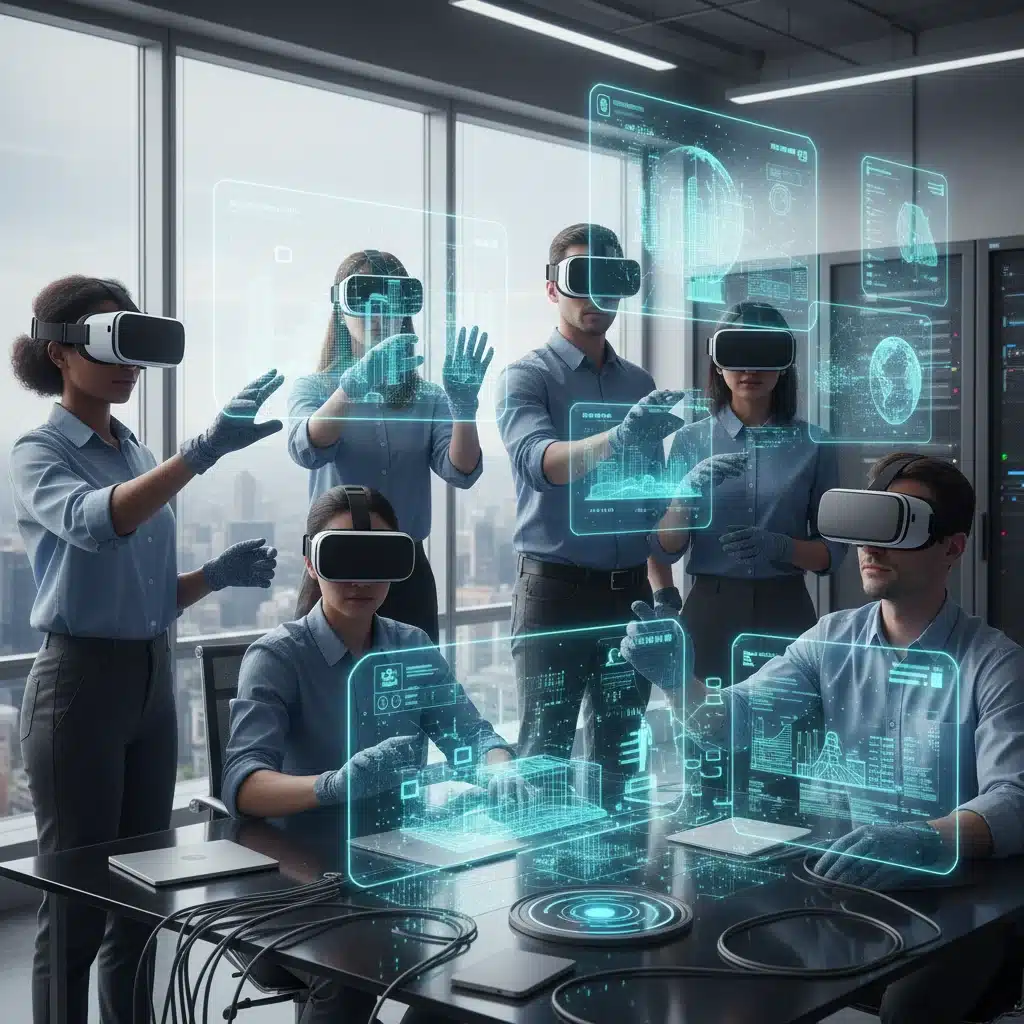
Consider these avenues for investment:
- Virtual Events and Entertainment: From virtual concerts and festivals to interactive theater and sports broadcasts, the metaverse offers new frontiers for entertainment. Innovators can invest in platforms or production companies specializing in creating and hosting large-scale virtual events, leveraging advanced VR/AR technologies to enhance audience participation.
- Educational and Training Simulations: The metaverse can revolutionize learning. Developing immersive educational content, from virtual classrooms and historical simulations to highly realistic professional training modules (e.g., surgical training, flight simulations), offers immense societal and economic value.
- Social and Collaborative Platforms: While existing social media platforms connect us, the metaverse promises a more embodied and interactive social experience. Investing in platforms that facilitate meaningful social interactions, collaborative workspaces, and community building within virtual environments is a key area.
- Interactive Storytelling and Gaming: Beyond traditional games, the metaverse enables new forms of interactive storytelling where users can directly influence narratives. Investment in studios developing next-generation interactive experiences, leveraging AI for dynamic content generation and personalized storylines, will be highly impactful.
- Brand Experiences and Virtual Commerce: Brands are eager to establish a presence in the metaverse. Innovators can help companies design and implement engaging virtual storefronts, interactive product demonstrations, and unique brand experiences that resonate with metaverse users, blurring the lines between advertising and entertainment.
Success in this sector hinges on creativity, technical expertise in VR/AR development, and a deep understanding of user psychology. U.S. innovators can leverage storytelling traditions and technological prowess to create compelling experiences that define the metaverse’s cultural landscape.
4. Decentralized Finance (DeFi) and Blockchain Integration
Blockchain technology and decentralized finance (DeFi) are integral to the metaverse economy, providing the foundational layer for secure ownership, transparent transactions, and interoperable digital assets. The integration of DeFi principles into the metaverse creates a self-sustaining economic model, offering significant metaverse investment opportunities for those focusing on financial innovation.
Key areas for U.S. innovators in this space include:
- Metaverse-Specific Cryptocurrencies and Tokens: Developing or investing in cryptocurrencies and tokens specifically designed for use within metaverse platforms, facilitating in-world transactions, rewards, and governance. These tokens can power entire metaverse economies.
- Decentralized Exchanges (DEXs) for Digital Assets: Building DEXs that allow for seamless and secure trading of NFTs, virtual land, and other metaverse assets without the need for centralized intermediaries. This enhances liquidity and accessibility for users.
- Lending and Borrowing Protocols for Virtual Assets: Creating DeFi protocols that enable users to lend out their metaverse assets (e.g., virtual land, rare NFTs) to earn interest, or borrow against them. This unlocks liquidity for digital asset holders and creates new financial instruments within the metaverse.
- Identity and Reputation Systems: Developing blockchain-based identity solutions that allow users to manage their digital personas and reputations across different metaverse platforms securely. This is crucial for trust and accountability in a decentralized environment.
- Interoperable Payment Solutions: Innovating payment gateways and solutions that enable easy conversion between fiat currency, traditional cryptocurrencies, and metaverse-specific tokens, ensuring smooth financial flows into and out of the metaverse.
The synergy between blockchain and the metaverse is profound. U.S. innovators with expertise in cryptography, smart contracts, and financial technology can build the secure and transparent economic rails that will underpin the entire metaverse ecosystem, making these some of the most impactful metaverse investment opportunities.
5. Hardware Innovation for Metaverse Access and Interaction
While software and content drive the metaverse, the hardware through which users access and interact with it is equally critical. The quality of the immersive experience is directly tied to the capabilities of VR headsets, AR glasses, haptic feedback devices, and other peripherals. This presents a ripe area for metaverse investment opportunities, particularly for U.S. innovators in advanced manufacturing and electronics.
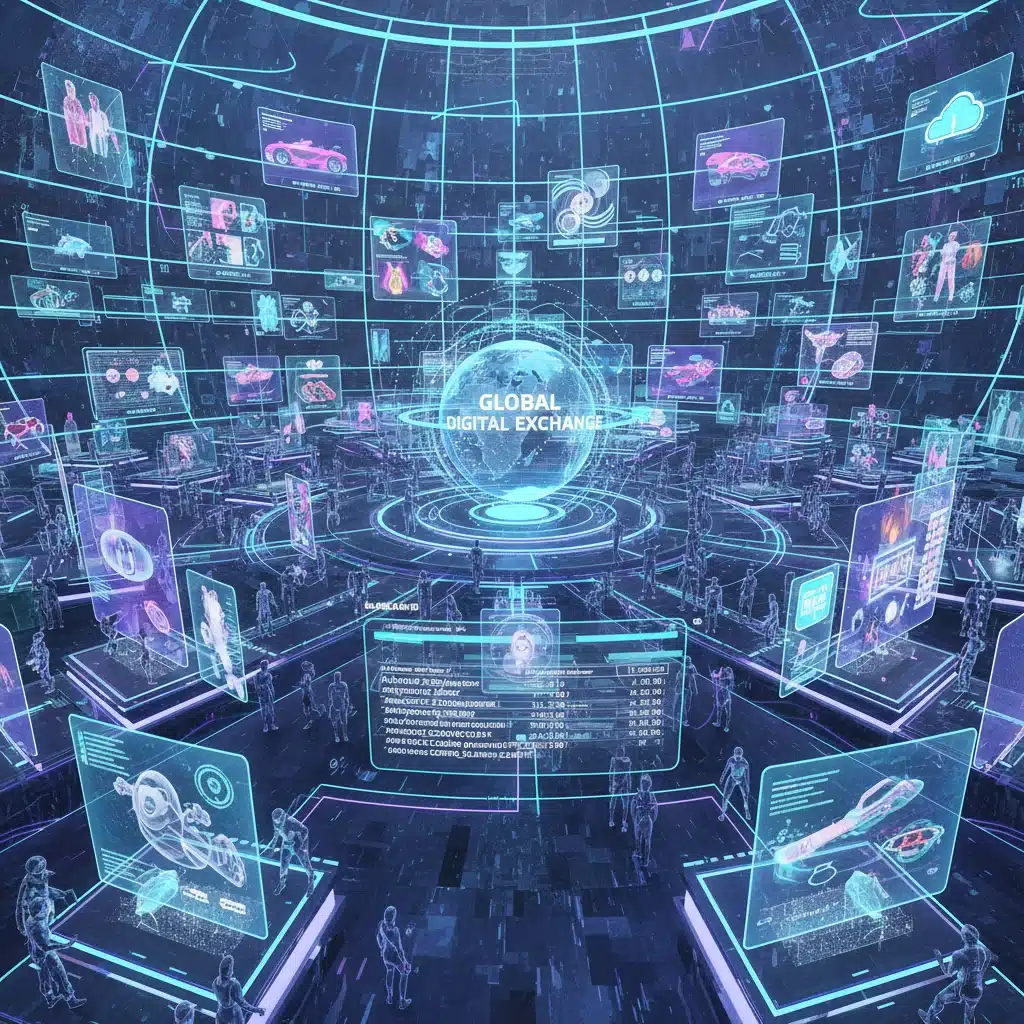
Consider the following areas for hardware innovation:
- Next-Generation VR Headsets: Developing lighter, more comfortable, higher-resolution VR headsets with wider fields of view, improved tracking, and advanced eye-tracking capabilities. Innovations in display technology (e.g., micro-OLED), optics, and battery life are crucial.
- Advanced AR Glasses: Creating sleek, fashionable, and powerful AR glasses that seamlessly overlay digital information onto the real world. This includes advancements in waveguide technology, transparent displays, and integrated AI for contextual awareness.
- Haptic Feedback Devices: Enhancing the sense of touch in the metaverse through sophisticated haptic gloves, suits, and other peripherals that provide realistic tactile sensations, adding a new layer of immersion.
- Brain-Computer Interfaces (BCIs): While still nascent, BCIs offer the ultimate promise of seamless interaction with the metaverse, allowing users to control virtual environments with their thoughts. Investing in research and development in this cutting-edge field could yield revolutionary results.
- Sensory Input Devices: Beyond sight and touch, developing devices that stimulate other senses, such as smell (olfactory displays) or even taste, could further deepen metaverse immersion.
- Wearable Computing and Biometric Integration: Integrating biometric sensors into metaverse hardware to track user health, emotions, and intentions, allowing for more personalized and adaptive experiences.
U.S. innovators with expertise in optics, microelectronics, materials science, and human-computer interaction can drive the next wave of hardware innovation, making metaverse experiences more accessible, comfortable, and realistic. The demand for superior hardware will only intensify as the metaverse becomes mainstream.
Challenges and Considerations for U.S. Innovators
While the metaverse investment opportunities are immense, U.S. innovators must also be cognizant of the challenges. These include:
- Technological Maturity: Many metaverse technologies are still in their early stages. Investment carries inherent risks related to technological evolution and adoption rates.
- Interoperability Standards: The lack of universal interoperability standards can lead to a fragmented metaverse. Innovators should champion open standards and collaborate to ensure seamless experiences.
- Regulatory Landscape: The legal and regulatory frameworks for digital assets, virtual economies, and online conduct in the metaverse are still evolving. U.S. innovators must navigate this uncertainty.
- User Adoption and Accessibility: Widespread adoption depends on making metaverse experiences accessible, affordable, and intuitive for a broad audience, not just tech enthusiasts.
- Security and Privacy: Protecting user data, digital assets, and identities in a decentralized and immersive environment is paramount. Robust security solutions will be critical for trust.
- Ethical Considerations: Innovators must address ethical concerns related to digital addiction, misinformation, and the potential for real-world impact of virtual actions.
Despite these challenges, the U.S. has a strong entrepreneurial spirit, a robust venture capital ecosystem, and a leading position in technological research and development. These factors position U.S. innovators to overcome obstacles and emerge as leaders in the global metaverse economy.
Conclusion: Seizing the Future of the Metaverse Economy
The metaverse is not a fleeting trend but a fundamental shift in how we interact with technology and each other. By 2026, the foundational elements will be firmly in place, and the economic opportunities will be clearer and more substantial. For U.S. innovators, understanding and strategically investing in the five key areas – infrastructure, digital assets, immersive experiences, DeFi integration, and hardware innovation – is paramount to securing a leading position in this burgeoning digital frontier. The potential for growth, wealth creation, and societal impact is immense.
Embracing these metaverse investment opportunities requires vision, agility, and a commitment to continuous innovation. The coming years will be defined by those who dare to build, create, and invest in the persistent, interconnected digital worlds that will shape our collective future. The time to act is now, to ensure that the U.S. remains at the forefront of this technological revolution and harnesses the full potential of the metaverse economy.