Local News Decentralization: Sustaining US Journalism by 2026
Anúncios
The Future of Local News: A 2026 Blueprint for Decentralized Models to Sustain Journalism in US Communities
Anúncios
The landscape of journalism in the United States has undergone a seismic shift over the past two decades. The traditional pillars of local news – daily newspapers, local TV stations, and community radio – have faced unprecedented challenges, from declining advertising revenues to the pervasive influence of digital disruption. As we look towards 2026, the urgency to reimagine and rebuild a sustainable model for local journalism has never been greater. This article proposes a comprehensive blueprint for fostering decentralized local news models, focusing on innovative strategies that can empower communities, ensure journalistic integrity, and secure the future of vital local reporting across the nation.
The demise of local news outlets has created vast information voids, often referred to as ‘news deserts,’ leaving communities without reliable sources for information about local government, schools, public safety, and cultural events. This erosion of local journalism weakens civic engagement, reduces accountability, and can even impact voter turnout and community cohesion. The centralized, top-down models that once dominated the media landscape are proving increasingly unsustainable in the face of economic pressures and evolving consumption habits. Thus, a paradigm shift towards decentralized local news is not merely an option but a necessity for the health of our democracy and the vibrancy of our communities.
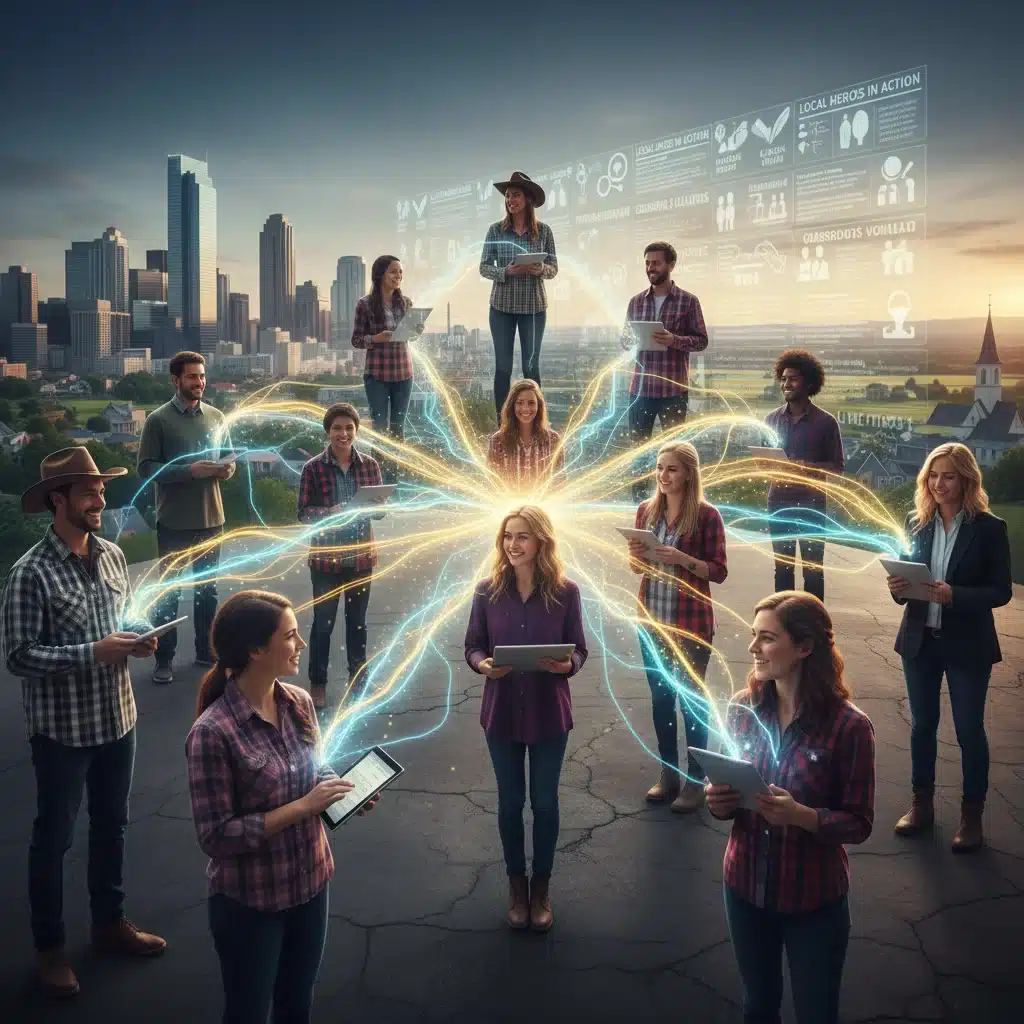
Our 2026 blueprint for decentralized local news envisions a future where communities are not just passive consumers of news but active participants in its creation, funding, and distribution. This involves leveraging technology, fostering collaborative networks, diversifying revenue streams, and re-emphasizing the core values of community-focused journalism. By empowering local voices and distributing the responsibilities and benefits of news production, we can build more resilient, responsive, and relevant journalistic ecosystems.
Understanding the Crisis: Why Decentralization is Key
Before delving into solutions, it’s crucial to understand the multifaceted crisis plaguing local journalism. The internet, while offering new avenues for information dissemination, has also disrupted traditional advertising models, which historically funded local news. Classifieds moved online, display advertising shifted to global platforms like Google and Facebook, and subscription revenues dwindled as free content became ubiquitous. This economic squeeze led to newsroom closures, staff layoffs, and a significant reduction in investigative reporting at the local level.
Centralized ownership, where a few large corporations control numerous local outlets, has often prioritized profit margins over public service, leading to homogenized content, reduced local focus, and a detachment from community needs. This model has proven fragile, especially when faced with economic downturns or shifts in media consumption. The lack of diverse ownership and control also limits innovation and responsiveness to unique local contexts.
Decentralization offers a powerful antidote to these challenges. By distributing power, resources, and editorial control, decentralized local news models can be more adaptable, financially resilient, and deeply rooted in the communities they serve. This approach fosters a sense of ownership among residents, encouraging greater participation and investment in their local information ecosystem. It moves away from the ‘one-to-many’ broadcast model to a ‘many-to-many’ network, where information flows more organically and responsively.
Pillar 1: Innovative Funding Models for Decentralized Local News
A sustainable future for decentralized local news hinges on diverse and innovative funding mechanisms that move beyond the volatile advertising market. By 2026, we anticipate a landscape where multiple revenue streams converge to support local journalism.
Community-Supported Journalism and Crowdfunding
Direct financial support from the community is perhaps the most direct form of decentralization. Platforms like Patreon, Substack, and local crowdfunding initiatives allow individuals to directly fund journalists or news organizations whose work they value. This model fosters a direct relationship between journalists and their audience, creating a sense of shared investment. By 2026, we envision widespread adoption of local membership programs, where residents pay a small monthly fee to support a consortium of local reporters or a specific beat.
Philanthropic Investment and Grant Funding
National and local philanthropic foundations are increasingly recognizing the critical role of local journalism. By 2026, a significant increase in targeted grants for decentralized local news projects is expected, focusing on seed funding for startups, investigative reporting initiatives, and technology infrastructure. This funding can act as a crucial bridge, allowing new models to establish themselves before becoming fully self-sufficient.
Public Funding and News Vouchers
Exploring models of public funding, similar to public broadcasting, could provide a stable base. This doesn’t necessarily mean direct government control but rather independent public trusts that allocate funds based on journalistic merit and community impact. ‘News voucher’ systems, where citizens receive a small amount of public money to donate to local news organizations of their choice, could empower individuals while supporting a diverse media landscape. This model directly aligns with the principles of decentralized local news by putting funding decisions in the hands of the populace.
Local Business Partnerships and Sponsorships
While traditional advertising is declining, new forms of local business partnerships can emerge. This includes event sponsorships, content syndication deals with local businesses that align with community values (e.g., a local bakery sponsoring a food column), and collaborative content creation that avoids direct editorial influence. The key is transparency and clear separation between editorial content and sponsored material, maintaining the integrity of decentralized local news.
Earned Income and Ancillary Services
Local news organizations can generate income through services beyond traditional reporting. This might include offering consulting on local data analysis, organizing community events, selling merchandise, or providing training in media literacy. These diverse income streams build resilience and reduce reliance on any single source.
Pillar 2: Technological Infrastructure for Decentralized Local News
Technology is not just a disruptor but also an enabler for decentralized local news. By 2026, advanced yet accessible tools will empower communities to create, share, and consume news more effectively.
Open-Source Platforms and Collaborative Tools
Proprietary content management systems can be expensive and limit flexibility. The future of decentralized local news will increasingly rely on open-source platforms that are customizable, affordable, and encourage collaboration. These platforms can host multiple independent news initiatives, allowing them to share resources, code, and best practices. Think of a ‘WordPress for local news’ that is specifically designed for community-driven content creation, moderation, and distribution.
Blockchain for Trust and Transparency
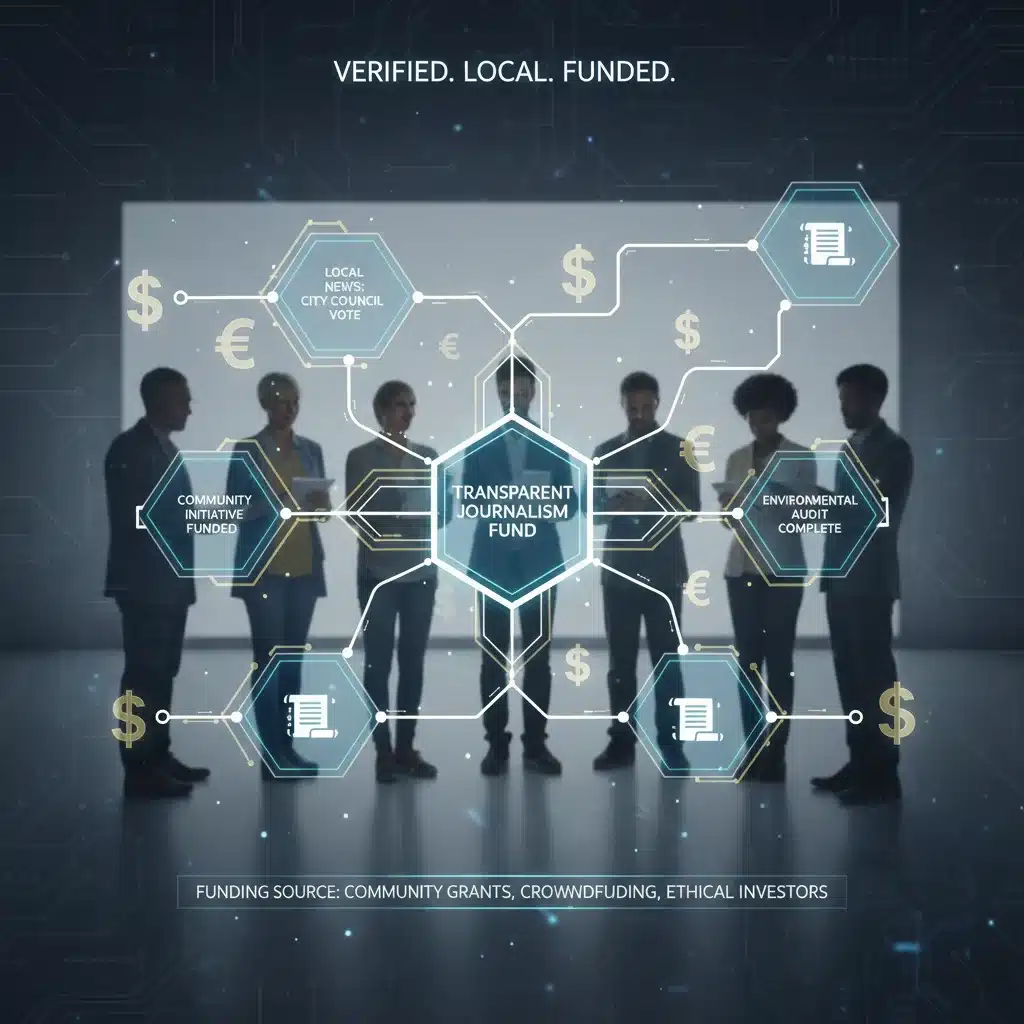
Blockchain technology offers a groundbreaking solution for verifying journalistic content and tracking funding. By 2026, we could see local news articles timestamped and immutably recorded on a blockchain, providing an undeniable record of publication and authorship. This enhances trust, combats misinformation, and protects intellectual property. Furthermore, blockchain could facilitate transparent micro-donations and reward systems for citizen journalists, directly supporting the ethos of decentralized local news.

AI and Automation for Efficiency
Artificial intelligence can augment, not replace, human journalists in decentralized local news. AI tools can automate routine tasks like transcribing interviews, generating summaries of public records, identifying trends in local data, and even drafting basic reports on repetitive topics like sports scores or traffic incidents. This frees up local reporters to focus on in-depth investigative journalism and community engagement, maximizing their impact with limited resources.
Hyperlocal Social Networks and Communication Channels
Beyond mainstream social media, dedicated hyperlocal social networks and communication channels will be crucial. These platforms, owned and managed by the community, can facilitate direct communication between residents and local journalists, enabling real-time reporting, crowdsourcing information, and fostering community discussion around local issues. This creates a closed loop of information, feedback, and engagement, central to decentralized local news.
Pillar 3: Community Engagement and Citizen Journalism
At the heart of any successful decentralized local news model is the active participation of the community itself. By 2026, citizen journalism and deep community engagement will be integral to the newsgathering process.
Training and Empowerment of Citizen Journalists
Many community members have valuable insights and stories but lack the journalistic training to effectively report them. Local news hubs can offer workshops on reporting ethics, interviewing techniques, fact-checking, and digital storytelling. Empowering ‘citizen journalists’ with these skills not only expands reporting capacity but also ensures diverse perspectives are heard. These individuals become vital nodes in the decentralized local news network.
Collaborative Reporting Initiatives
Instead of journalists working in isolation, decentralized local news encourages collaborative reporting. This could involve professional journalists partnering with community experts, academics, or even high school students on specific investigations. Crowdsourcing information, data, and even eyewitness accounts becomes a powerful tool, allowing for more comprehensive and deeply contextualized reporting.
News Literacy and Critical Thinking
As information sources proliferate, news literacy becomes paramount. Local news organizations can lead efforts to educate the community on how to critically evaluate information, identify misinformation, and understand the journalistic process. This fosters a more informed and discerning audience, essential for the health of decentralized local news ecosystems.
Community Advisory Boards and Participatory Governance
To ensure local news truly reflects community needs, establishing community advisory boards or even more formal participatory governance structures can give residents a direct voice in editorial priorities, ethical guidelines, and strategic direction. This moves away from a top-down editorial process to one that is truly responsive and accountable to the community.
Pillar 4: Networked Collaboration and Resource Sharing
Individual decentralized local news initiatives will be stronger if they are connected through a broader network, allowing for resource sharing, mentorship, and collective impact.
Local News Ecosystem Hubs
Imagine physical or virtual ‘local news hubs’ that serve as incubators and accelerators for new journalistic ventures. These hubs could provide shared office space, technology infrastructure, legal advice, business training, and mentorship for emerging local reporters and organizations. They foster a collaborative environment where different news entities can coexist and complement each other, embodying the spirit of decentralized local news.
Cross-Community Content Sharing and Syndication
Not every community needs to report on every national or even regional story. A networked approach allows for efficient content sharing and syndication between decentralized local news outlets. For example, an investigative piece on environmental regulations affecting a specific region could be adapted and shared across multiple local publications within that region, saving resources and amplifying impact.
Training and Professional Development Networks
A national network dedicated to supporting decentralized local news could offer ongoing training, workshops, and professional development opportunities for local journalists, citizen reporters, and community organizers. This ensures a high standard of journalism across diverse local contexts and helps practitioners stay abreast of new technologies and best practices.
Advocacy and Policy Reform
A collective voice for decentralized local news can advocate for policy reforms that support local journalism, such as tax incentives for local news investment, protection for journalists, and regulations that promote fair competition in the digital advertising market. This unified front can push for systemic changes that create a more favorable environment for local media to thrive.
Challenges and Mitigation Strategies
Implementing a blueprint for decentralized local news is not without its challenges. Ensuring journalistic quality and ethical standards across a diffuse network, combating misinformation, achieving financial sustainability in smaller markets, and bridging the digital divide are significant hurdles.
Mitigation strategies include developing robust fact-checking protocols, implementing community-driven moderation systems, establishing clear codes of ethics, and investing in digital literacy programs. Financial sustainability will require continuous experimentation with diverse revenue models and strong philanthropic support during the transitional phase. Addressing the digital divide means advocating for universal broadband access and providing accessible technology and training.
Case Studies and Inspirations (2026 Vision)
By 2026, we envision several successful models of decentralized local news demonstrating the blueprint’s effectiveness:
- The ‘Community Reporter Corps’ of Appalachia: A network of trained citizen journalists, supported by a regional non-profit hub, using open-source tools to cover environmental issues, health disparities, and cultural events across multiple rural counties. Funded by a mix of grants, local memberships, and a blockchain-based micro-donation system.
- The ‘Urban News Guild’ of Detroit: A consortium of independent hyperlocal blogs and investigative teams, sharing a common backend technology platform and legal services. Each ‘guild’ focuses on a specific neighborhood, with overall editorial direction guided by a community advisory board. Revenue generated through local business sponsorships and a city-wide news voucher program.
- The ‘Digital Agora’ of a Midwestern College Town: A university-backed initiative providing training and resources for students and community members to report on local government, education, and campus news. Content is published on a transparent, blockchain-verified platform, fostering trust and accountability. Funding comes from university endowments, local sponsorships, and a small allocation from student fees.
These examples, while hypothetical, illustrate the diverse forms that decentralized local news can take, adapting to the unique needs and resources of different communities. The common thread is the empowerment of local voices, the strategic use of technology, and a commitment to sustainable, community-driven journalism.
Conclusion: A Resilient Future for Local Journalism
The 2026 blueprint for decentralized local news offers a hopeful and actionable path forward for sustaining journalism in US communities. It moves beyond simply lamenting the decline of traditional media and instead focuses on building new, resilient, and community-centric models. By embracing innovative funding mechanisms, leveraging cutting-edge technology, fostering deep community engagement, and promoting networked collaboration, we can ensure that every American community has access to the vital information it needs to thrive.
The transition will require courage, collaboration, and a willingness to experiment. It demands a shift in mindset from traditional media gatekeepers to community facilitators. But the payoff – a more informed citizenry, stronger civic engagement, and a healthier democracy – is immeasurable. The future of local news is not about saving old institutions, but about empowering new ones, built from the ground up, by and for the communities they serve. The time to build this decentralized local news future is now.